
Lesson context
Why this matters
An engagement ring is worn every single day, in every situation – at work, at the gym, in the kitchen, in the shower. A design that looks perfect in a photograph can become a practical problem if it catches on gloves, collects dirt in its setting, or scratches everything it touches. Thinking about real life during the design process is not about lowering your ambitions – it is about making sure the ring you end up with is one you actually want to wear all the time.
Your learning plan
Learning goals
By the end of this lesson, you’ll be able to:
- Explain how a wearer's job and lifestyle should influence ring design
- Identify which setting types are most and least suited to active, hands-on wear
- Understand how setting height affects practicality
- Know which design features require more maintenance than others
- Recognise that practical and beautiful are not opposites
Start with how the hands are used
The most important question in designing for real life is not "what does this look like?" but "what are these hands doing every day?" (1) The answer shapes almost every practical design decision.
A useful way to think about it:
Desk-based or low-impact lifestyle – more flexibility on setting height, stone exposure, and decorative detail. Elaborate settings, higher profiles, and open galleries are all manageable.
Mixed lifestyle – gym, cooking, occasional manual work, travel. Low-to-medium profile settings, secure stone setting, and a finish that hides minor wear are sensible choices.
Highly physical or hands-on work – healthcare, construction, sport, childcare, gardening. Low-profile settings, protected stone edges, and a robust band are not optional extras here – they are the design (2).
Setting height: the biggest practical variable
How far the stone sits above the finger – its profile height – has a bigger effect on everyday wearability than almost any other design choice (3).
- High-set stones look dramatic and maximise light entry, but they catch on fabric, snag on gloves, and can knock against surfaces during physical activity
- Low-set and bezel settings sit close to the finger, protect the stone's edges from knocks, and are far less likely to catch or snag (4)
- Flush settings – where the stone sits level with the band surface – offer the maximum protection of all, though this reduces how much light enters the stone (3)
There is no universally right answer. But the setting height conversation is one worth having explicitly with a jeweller, with lifestyle in mind (1).
Which settings suit active lifestyles best
🟢 Bezel – metal rim surrounds the stone completely. Very secure, snag-free, and protective. One of the best choices for active wearers (4).
🟢 Channel set – small stones sit between two strips of metal with no protruding claws. Smooth surface, no snagging (2).
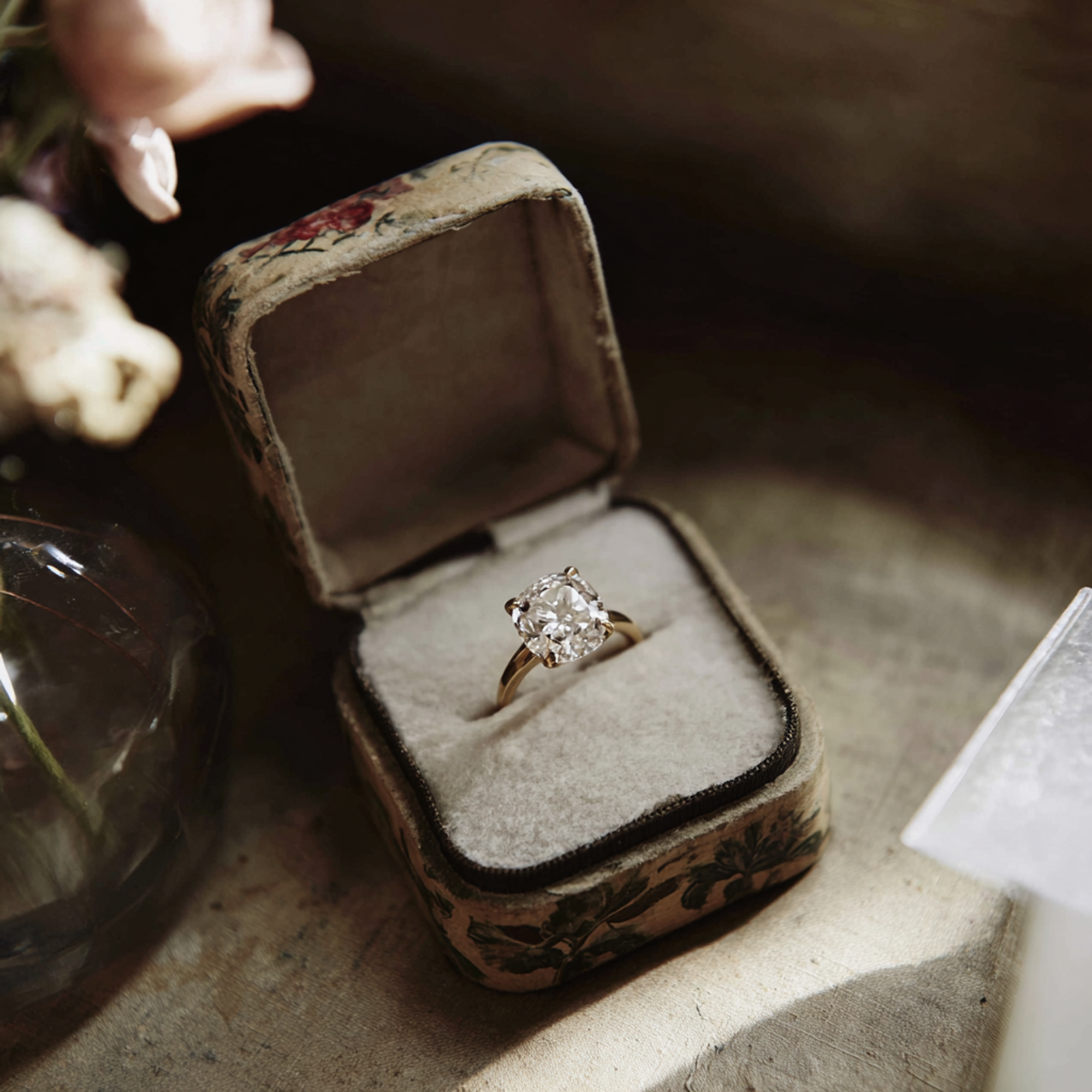
🟡 Four or six claw solitaire – the most popular style overall, and fine for most lifestyles if the profile is not too high. Claws need checking once or twice a year (5).
🔴 Open galleries and pavé – beautiful, but both can collect dirt and debris, and fine pavé stones need regular inspection to check none have worked loose (5).
🔴 High halo settings – the combination of height and many small stones increases both snagging risk and maintenance requirements (2).
Maintenance: what different designs actually need
Some designs are genuinely low-maintenance. Others need regular professional attention to stay in good condition. Being honest about how much time and effort you are willing to put into ring care is a legitimate design consideration (5).
- Claws should be checked by a jeweller once or twice a year – any claw that catches on fabric has likely bent and needs attention before the stone becomes loose
- Pavé and halo settings should be inspected regularly, as small stones can work loose over time without being immediately obvious
- Polished surfaces show scratches and fingerprints more readily than textured or matte finishes – worth bearing in mind for someone who would find this annoying
- White gold requires periodic rhodium re-plating to maintain its colour; platinum and yellow or rose gold do not (4)
When not to wear the ring
Even a well-designed ring for an active lifestyle has limits. Most jewellers advise removing a ring for (2):
- Swimming in chlorinated pools or the sea – chlorine and saltwater can affect metals and settings over time
- Contact sports or heavy lifting – impact risk is high, regardless of setting type
- Working with chemicals or cleaning products – some can dull or damage metal surfaces
Having somewhere safe and consistent to put the ring during these activities – a small dish, a ring holder, or a chain worn around the neck – is worth thinking about before the proposal.
Practical and beautiful are not opposites
One of the most common misconceptions about designing for real life is that it means settling for something plain. It does not. Many of today's most elegant ring designs are inherently low-profile and practical (4). A well-chosen bezel setting in a warm yellow gold can be just as striking as a high-set claw solitaire – and far more comfortable for certain lifestyles. The design conversation is about finding where beauty and practicality overlap for the specific person wearing the ring, not choosing between them (1).
Lesson glossary
Key terms
- Setting height / profile
- How far the stone or setting sits above the finger; a key factor in how practical a ring is for everyday wear
- Bezel setting
- A setting where a continuous rim of metal surrounds the stone, protecting its edges and eliminating snagging
- Flush setting
- A setting where the stone sits level with the band surface, offering maximum protection but reducing light entry
- Claw / prong setting
- A setting that uses small metal claws to hold the stone above the band; the most common style, but claws require periodic checking
- Pavé
- Small diamonds set closely along the band, held by tiny beads or claws; sparkly but requires regular inspection
- Rhodium plating
- A thin white metal coating applied to white gold to maintain its colour; wears gradually and needs periodic reapplication
- Snag
- When a protruding part of a ring – typically a claw or high setting – catches on fabric, hair, or other materials