
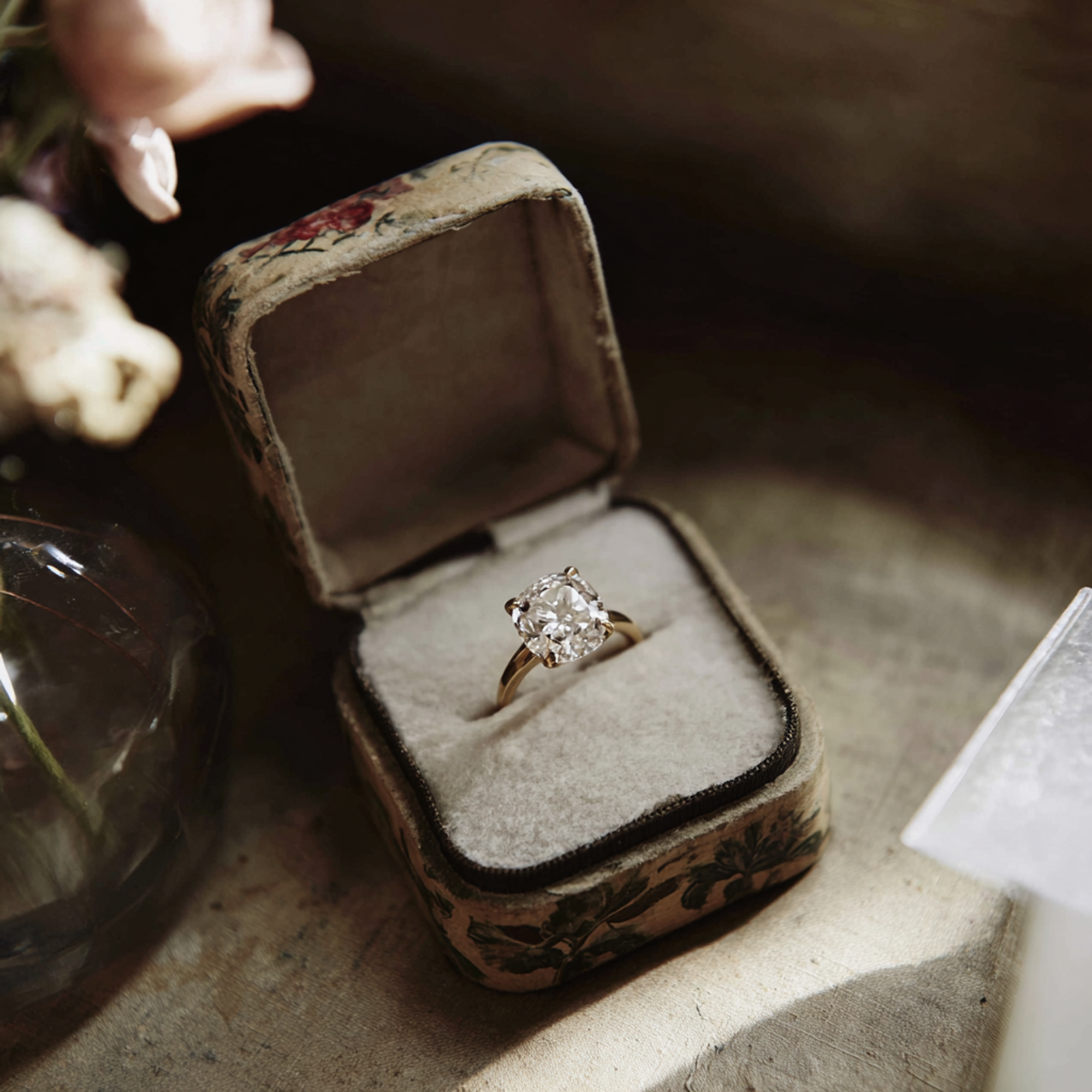
This lesson explains what an insurance valuation is, how it differs from other jewellery paperwork, and how it helps with proper insurance cover.
Why this matters
An insurance valuation is a professional document that describes a piece of jewellery and gives a carefully considered value for a specific purpose, such as insurance.[1]
Jewellery is usually covered under contents insurance, but many policies have single-item limits. The ABI gives a clear example: if the single-item limit is £1,500 and a necklace worth £2,500 is stolen, the insurer may pay only £1,500 unless that item was separately covered. MoneyHelper also notes that you can usually pay extra for items lost or stolen outside the home, and for a higher high-value item limit.[2,3]
Learning goals
- Know what an insurance valuation is for.
- Explain how a valuation differs from a receipt or a gem certificate.
- Identify what a useful valuation should include.
- Understand when an insurer may ask for extra cover or updated paperwork.
Key ideas
What an insurance valuation is
A valuation is not just a price tag. The valuer examines the jewellery, records what it actually is, and sets a value for a named purpose and date. That matters because insurance is about replacement, not just about what was paid on the day of purchase.[1]
How it differs from a receipt or certificate
A receipt shows what you paid when you bought the item. A diamond or gemstone certificate records identification or grading information about the stone. An insurance valuation does a different job: it brings together the description, examination and value needed for insurance use.[1]
Who should do it
Choose a valuer who inspects the item in person and works to recognised standards. The NAJ says IRV members follow a code of practice, continuing professional development and periodic review. The NAJ also warns that photo-only online valuations may be rejected, because metals, condition and gemstones cannot be checked properly from pictures alone.[4,5]
What a good valuation should include
A good report should help an insurer identify the item clearly and arrange a suitable replacement. NAJ guidance says valuation reports should include detailed descriptions, photographs, and a clear statement of purpose. Its consumer advice also notes that a digital photograph and full gemstone details are helpful when a claim needs to be settled.[1,6]
Keeping it useful
An old figure may stop matching real replacement costs. The Goldsmiths’ Company Assay Office says insurers are increasingly asking for professional valuations for high-value and specified items, and that an up-to-date valuation is vital if you want the policy to cover possessions adequately.[7] Ask your insurer when they want the valuation refreshed, because the timing can differ by policy.
Key terms
- Insurance valuation — a professional document giving a value for insurance purposes.
- Single-item limit — the maximum a policy pays for one item unless extra cover is arranged.
- Specified item — an item separately declared on the policy.
- Contents insurance — cover for belongings in the home, including jewellery.
- Replacement value — the amount needed to replace the item under the policy terms.
- IRV — Institute of Registered Valuers, a UK professional body regulated by the NAJ.