
Birthstones and Their Meanings

 7 min read
 Share this post


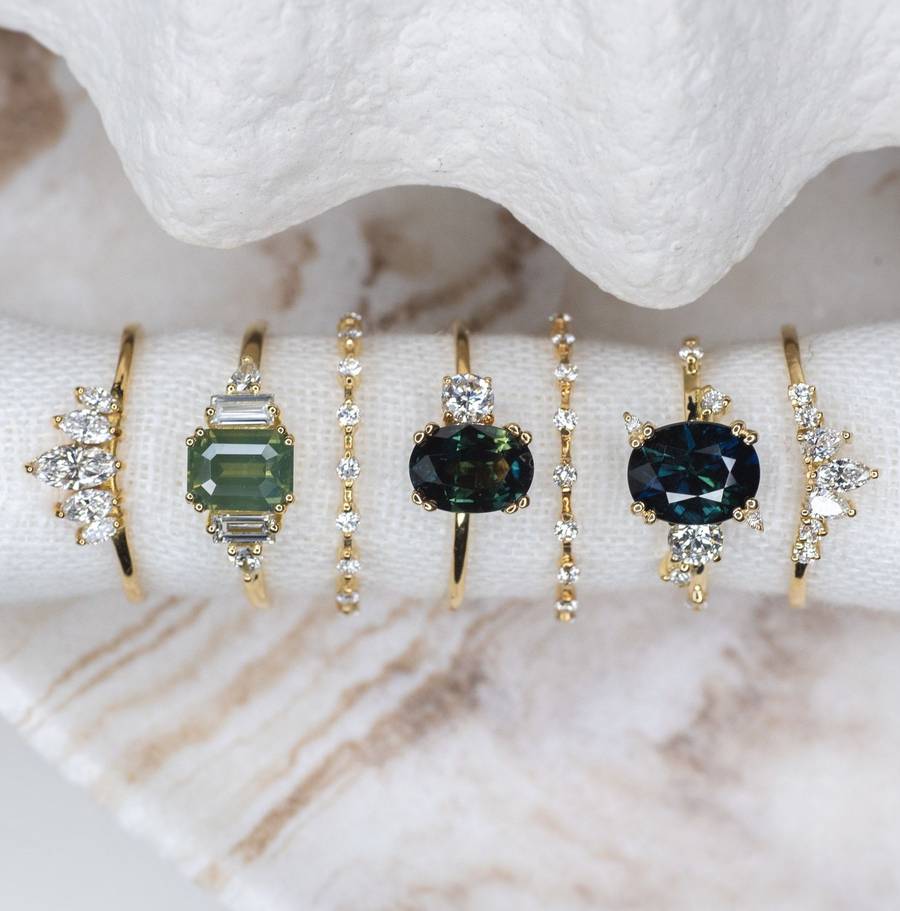
Birthstones are one of those lovely traditions that feel a bit like a secret handshake: “Oh, you’re a September baby? Sapphire energy.” They’ve been tied to months for centuries, and while the meanings are mostly folklore (not a medical prescription, thank you very much), they’re brilliant for adding a personal touch to jewellery.
The modern, standardised birthstone list most people recognise today traces back to 1912, and it’s been refined over time as tastes (and gem options) evolved.
What are birthstones, really?
Birthstones are gemstones associated with each month of the year. Some months have more than one official option – handy if you love the “meaning” of your month but don’t love the colour (or you want something sturdier for everyday wear).
A fun bit of modern history: tanzanite was added as an official December option in October 2002, which is why December babies often get a “pick your favourite shade of blue” moment.
Which birthstones actually work well for engagement rings?
If this is going on your hand every day, durability matters. Hardness (how well a stone resists scratching) is often measured on the Mohs scale. Diamonds sit at the top; stones like opal, pearl, and tanzanite are softer and need a bit more care (or a more protective setting).
If you know the wearer is the “forgets to take rings off for the gym / gardening / moving house” type, you’ll want to lean towards tougher stones and secure settings. (No judgement. Some of us live like that.)
Birthstones at a glance
| Month | Birthstone(s) | Traditional “meaning” | Everyday ring note |
| January | Garnet | Protection, friendship | Great colour, solid everyday option |
| February | Amethyst | Calm, clarity | Fine for daily wear with sensible care |
| March | Aquamarine, Bloodstone | Serenity, strength | Aquamarine is a popular engagement choice |
| April | Diamond | Enduring love | The daily-wear champion |
| May | Emerald | Growth, renewal | Gorgeous but benefits from protective settings |
| June | Pearl, Moonstone, Alexandrite | Purity, intuition, luck | Pearl/moonstone need extra care; alexandrite is tougher |
| July | Ruby | Passion, courage | Excellent durability (very engagement-friendly) |
| August | Peridot, Spinel, Sardonyx | Joy, resilience | Spinel is especially wearable |
| October | Opal, Tourmaline | Creativity, hope | Opal is delicate; tourmaline is sturdier |
| November | Topaz, Citrine | Warmth, confidence | Generally wearable; choose protective designs if needed |
| December | Tanzanite, Turquoise, Zircon | Good fortune, calm | Tanzanite/turquoise need more care; settings matter |
Birthstones by month: what’s yours and what does it mean?
What is January’s birthstone (Garnet) said to represent?
Garnet is traditionally linked with protection, trust, and deep affection. It’s also a brilliant “alternative engagement ring stone” if you want rich colour without going full ruby.
If you’re curious how garnet looks in engagement styles (and what to watch for), our guide to garnet engagement rings will help.

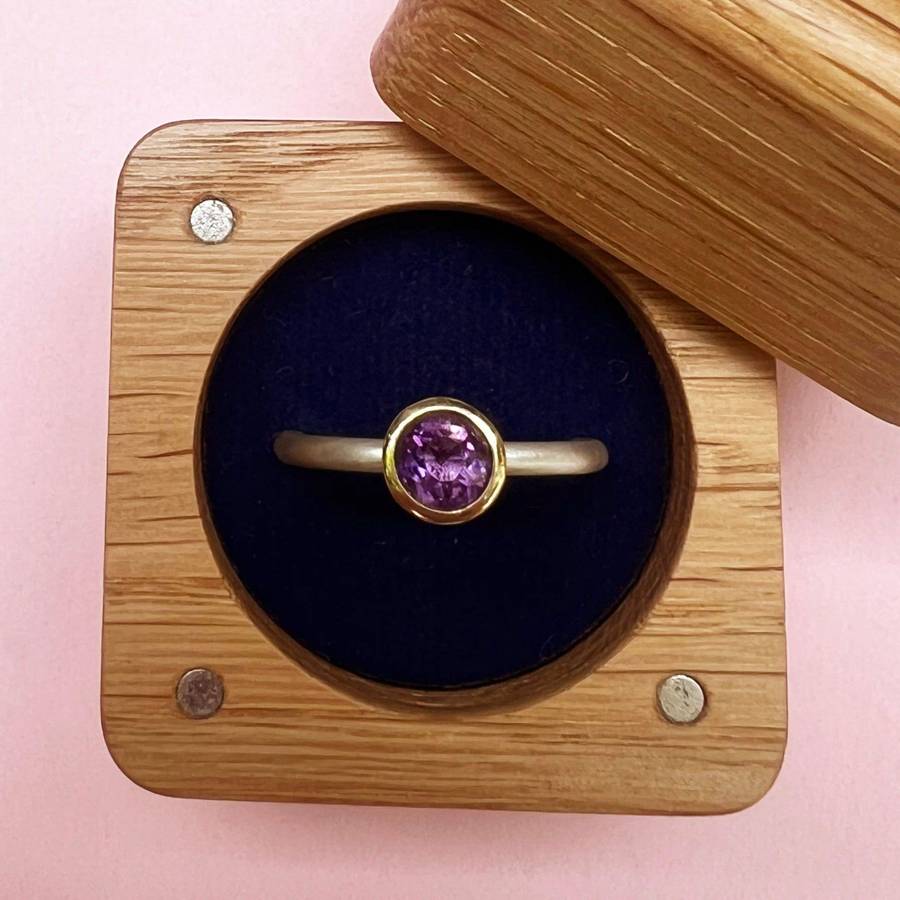
What does February’s birthstone (Amethyst) mean?
Amethyst has long been associated with clarity, calm, and a touch of old-school romance. It’s a great choice if you want a distinctive purple centre stone – especially in yellow gold for that vintage feel.
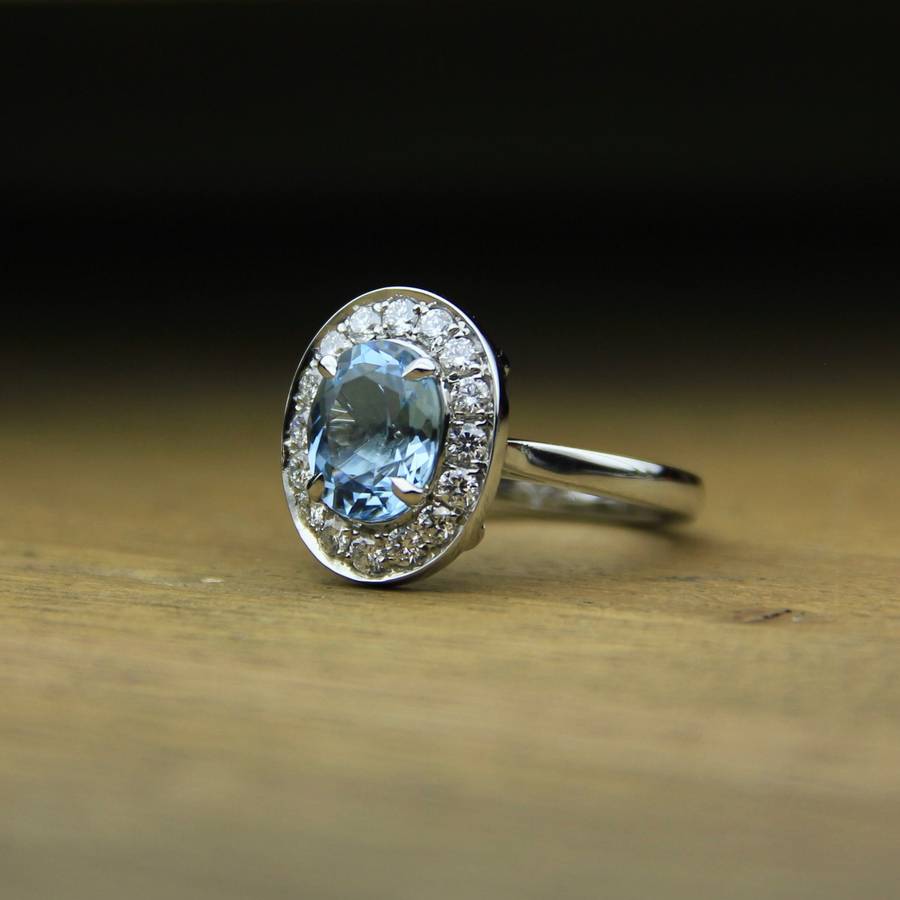
What are March birthstones (Aquamarine and Bloodstone) and what do they symbolise?
Aquamarine’s sea-glass blue is often linked with serenity and clear communication – pretty fitting for marriage, really. Bloodstone is the more traditional “strength” option, though it’s less common in engagement rings.
If aquamarine is your vibe, this aquamarine engagement ring buying guide is a good starting point.
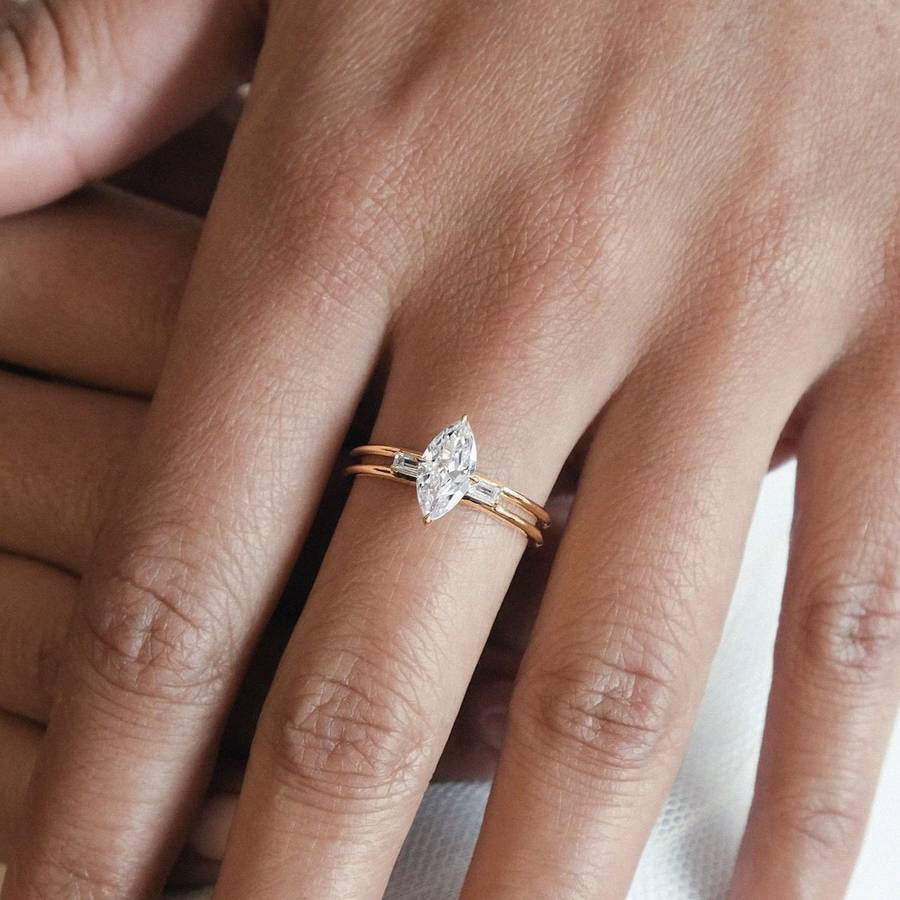
Why is April’s birthstone (Diamond) so popular for engagements?
Diamonds are the classic for a reason: they’re hard-wearing, sparkly, and symbolic of lasting commitment. If you want the confidence of a diamond but you’re still learning the basics, our quick guide to the 4Cs will make it all feel far less mysterious.
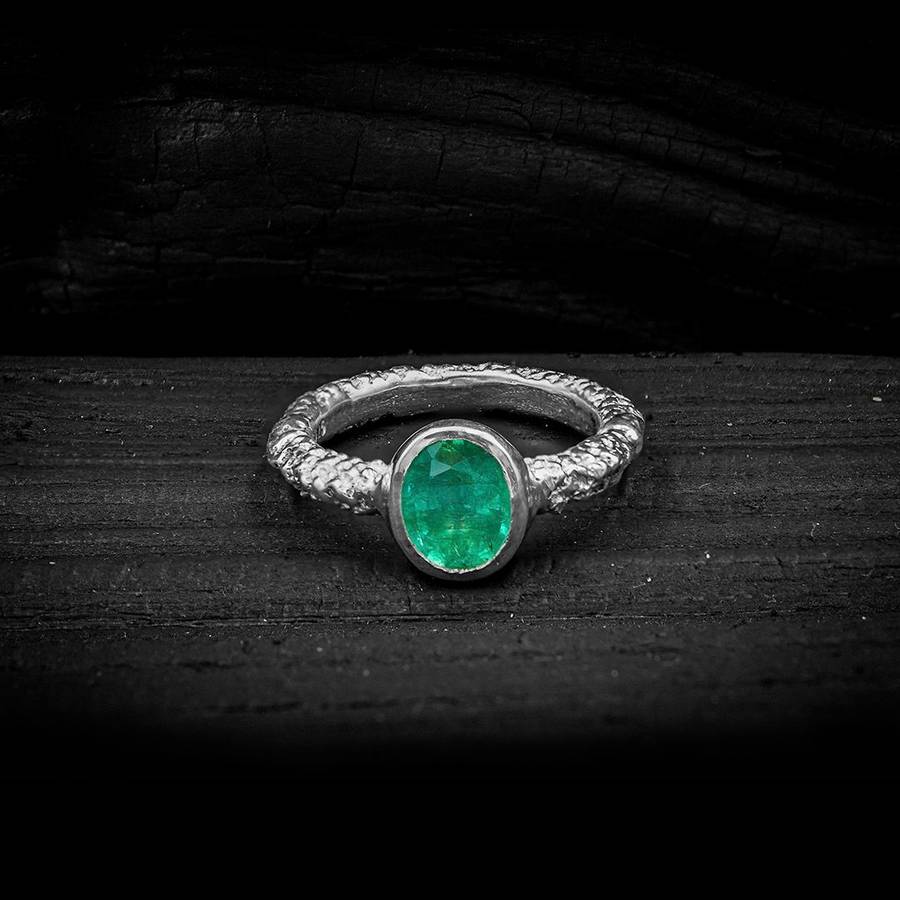
What does May’s birthstone (Emerald) represent?
Emeralds are tied to renewal, growth, and love – basically “spring in gemstone form.” They’re also known for natural inclusions, so choosing a setting that protects the stone is wise.
If you’re leaning green, our emerald engagement rings guide goes deeper.
What are June’s birthstones (Pearl, Moonstone, Alexandrite) and what do they mean?
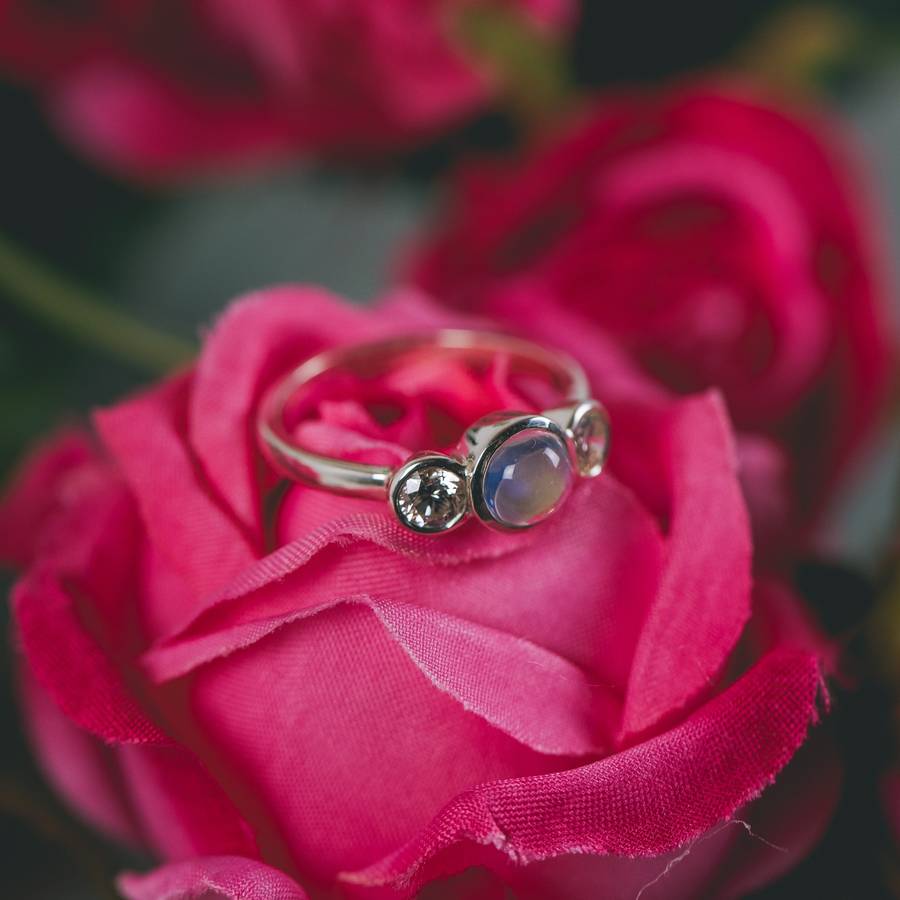
June is the overachiever: three official stones, three completely different looks. Pearl is all soft elegance; moonstone has that dreamy glow; alexandrite is the “colour-change party trick” option.
Moonstone lovers – our quick guide to moonstone engagement rings is a must.
What does July’s birthstone (Ruby) symbolise?
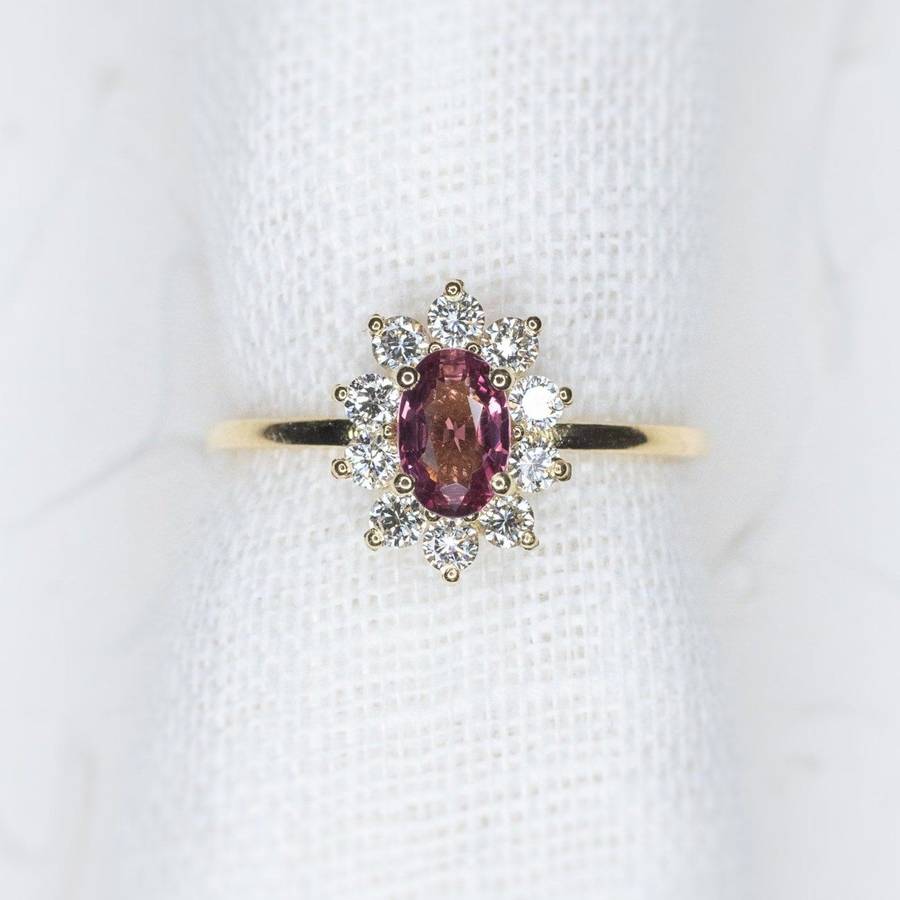
Ruby is traditionally linked to passion, courage, and vitality. It’s also one of the best coloured stones for daily wear, making it a strong engagement ring contender if you want bold colour without babying the ring.

What is August’s birthstone (Peridot, Spinel, Sardonyx) known for?
Peridot brings fresh green brightness, spinel comes in a surprising range of colours (and is very wearable), and sardonyx gives you a more graphic, vintage feel. If you want “birthstone but make it practical,” spinel is often the easiest everyday choice.

What does September’s birthstone (Sapphire) represent?
Sapphires are linked with loyalty and wisdom, and they’re famously robust. Also: sapphires aren’t only blue—there are pinks, yellows, greens, and moody teals if you want something a bit less expected.
What are October’s birthstones (Opal and Tourmaline) and what do they mean?
Opal is associated with creativity and hope, largely thanks to its play-of-colour. Tourmaline is the more durable October choice, and it comes in almost every shade imaginable.
If you’re tough on jewellery, tourmaline might be the smarter “daily wear” pick, with opal saved for occasional wear or protected settings.

What are November’s birthstones (Topaz and Citrine) and what do they represent?
Topaz and citrine are often linked with warmth, confidence, and positivity. They’re also generally more budget-friendly than the “big four” (diamond, ruby, emerald, sapphire), which makes them a nice option if you want meaning and value.
If that’s you, our guide to buying an engagement ring on a budget will help you prioritise without panic.

What are December’s birthstones (Tanzanite, Turquoise, Zircon) and what do they mean?
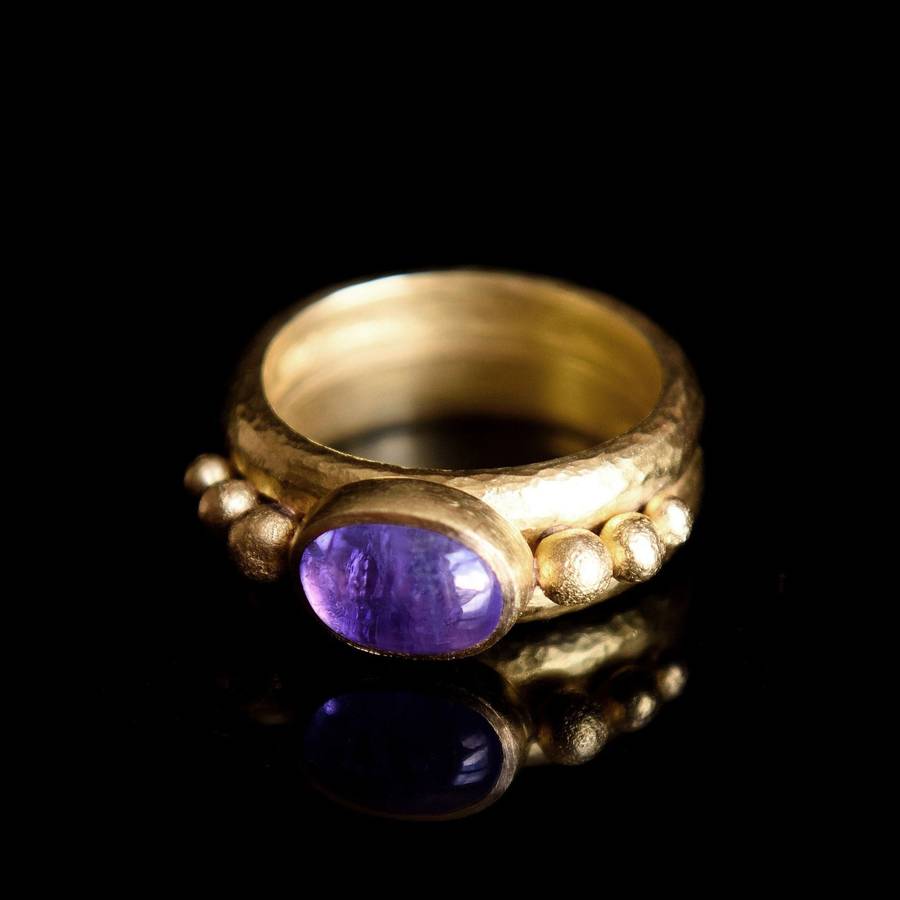
December gives you options: tanzanite’s blue-violet depth, turquoise’s classic robin’s-egg blue, and zircon’s brilliance (often confused with cubic zirconia, but it’s its own natural gemstone). If you love tanzanite or turquoise, think “protective setting” and “take it off for rough tasks.”
How do you make a birthstone engagement ring feel wearable?
A practical setting does a lot of heavy lifting. Bezels, halos, and lower-profile designs can help protect softer stones and reduce snagging – especially if the wearer is always on the move.
If you want a simple breakdown, our engagement ring settings pros and cons guide is genuinely useful.
Metal choice changes the whole mood, too. Yellow gold warms up greens and purples, while platinum and white gold give cooler stones (aquamarine, sapphire, tanzanite) a crisp, modern contrast. If you’re torn, this guide on which metal is best for your engagement ring will help you decide .
What if you love the meaning, but not your birthstone?
You’ve got permission to be flexible. Many couples choose a partner’s birthstone, an anniversary month stone, or a secondary birthstone option that better suits everyday wear.
If you want colour inspiration beyond the standard list, our guide to alternative gemstone colours is a great browse.
Ready to turn a birthstone into a bespoke engagement ring?
Birthstone engagement rings are at their best when they’re designed around real life: how the ring will be worn, what the wearer actually likes, and how much maintenance feels reasonable.
If you want help translating “meaningful” into “wearable,” start with a secure setting, a practical stone choice, and a design that fits the person—not just the Pinterest board.
Table of contents
-
 What are birthstones, really?
 - Which birthstones actually work well for engagement rings?
- Birthstones at a glance
- Birthstones by month: what’s yours and what does it mean?
- How do you make a birthstone engagement ring feel wearable?
- What if you love the meaning, but not your birthstone?
- Ready to turn a birthstone into a bespoke engagement ring?
About the author
Ethan Ward
Co-founder
Ethan looks after the whole Boutee journey from first click to “yes”, making sure every person is matched with the right independent jeweller and never feels lost along the way. He’s also the champion of our maker community, supporting independent jewellers, building meaningful connections and helping the right connections spark.
Related posts
View all
Should you choose a halo engagement ring?
Explore halo styles (single, double, hidden), metal and gemstone options, UK hallmarking basics, and how to choose the right design.
7 min read 
Engagement Ring Settings: The Pros & Cons of Each
A clear, practical guide to the most popular engagement ring settings, explaining how each one looks, wears, and fits different lifestyles.
7 min read 