
Ring Box or No Box? How to Propose With an Engagement Ring

 6 min read
 Share this post


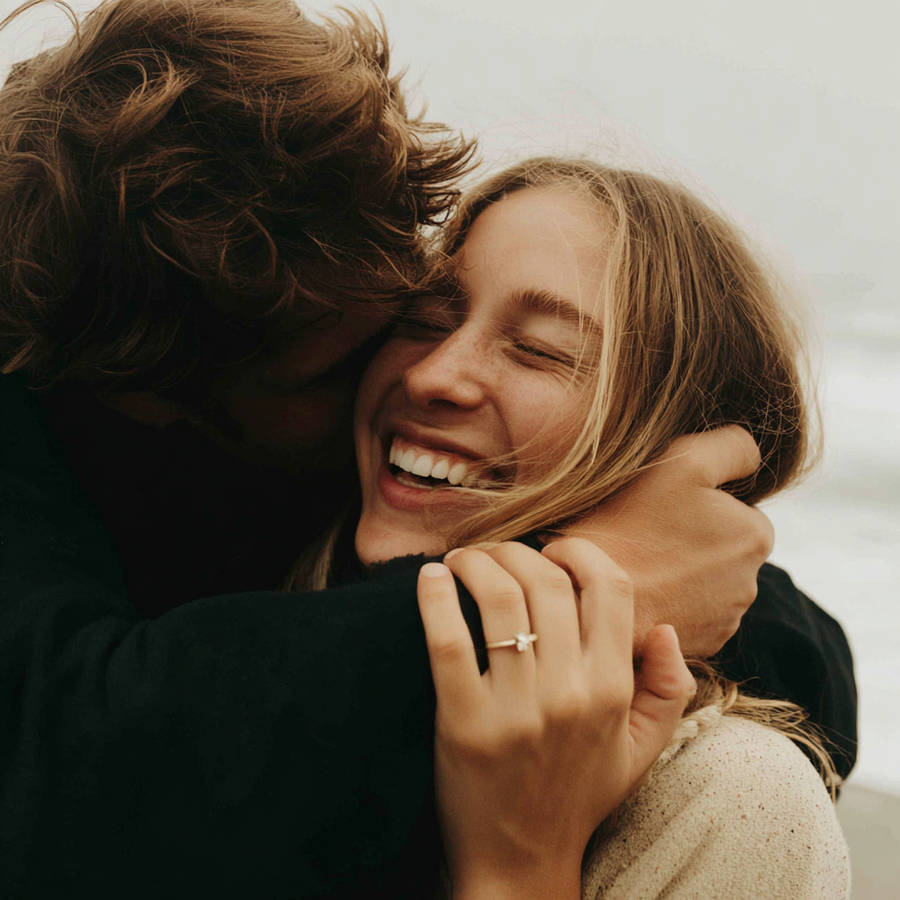
There are two kinds of people in this world: the “classic ring box reveal” crowd, and the “I’ll just hold it… somehow” optimists.
Both can be lovely. Both can also go slightly sideways if your hands turn into nervous little lambs at the crucial moment.
This guide helps you choose between ring in a box vs no box, without overthinking it — and with a few practical tricks so your engagement ring doesn’t end up doing a dramatic escape act.
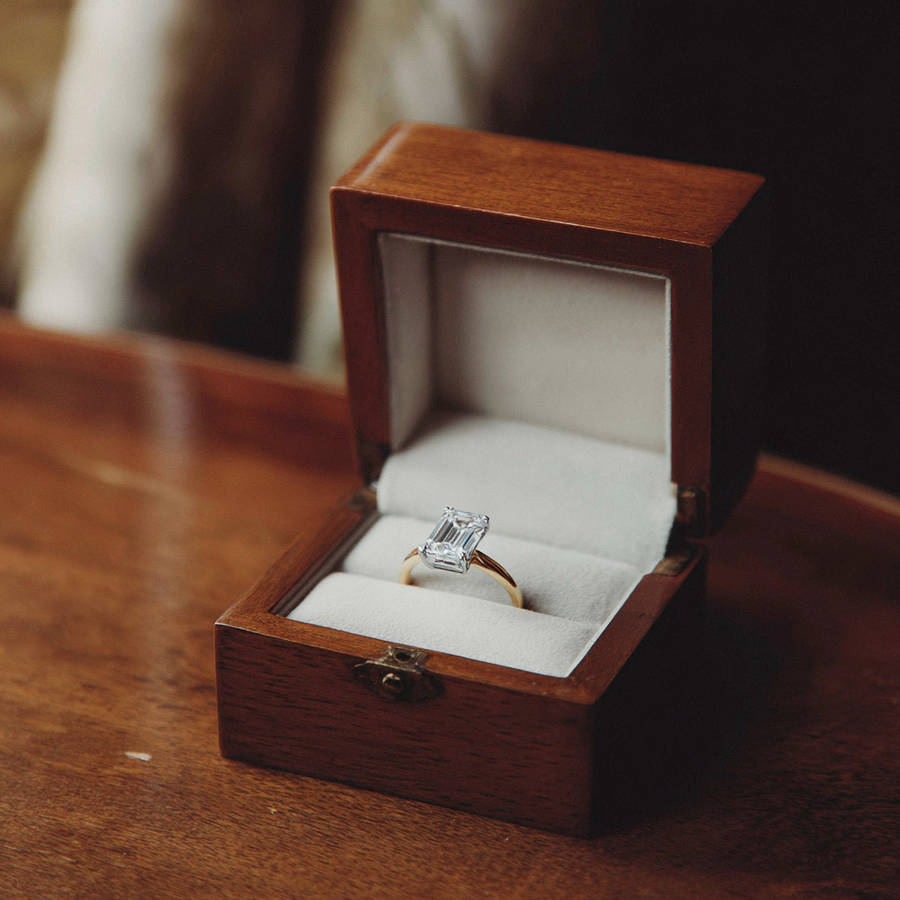
Should you propose with the ring in a box?
If you want the safest, simplest option: yes, the ring box is hard to beat.
A box protects the ring, hides the sparkle until the right moment, and gives you that satisfying “click” reveal your brain has probably filed under “how proposals work” since you were about twelve.
A ring box also buys you a second to breathe. That tiny pause — the lid opens, the ring appears — builds anticipation in a way that feels properly cinematic (without you needing to say anything more complex than “Will you marry me?”).
If you’re also stressing about what to say, nick a few lines (or a structure) from Boutee’s proposal wording guide .
What are the pros and cons of proposing with a ring box?
Here’s the honest trade-off.
| Option | Best for | Watch-outs |
| Ring in a box | Security, suspense, photos | Bulky in pockets, fiddly lids |
| Ring out of the box | Intimacy, spontaneity | Higher drop risk, harder to photograph |
If you’re proposing somewhere public, windy, or near water (or all three, because Britain loves a dramatic coastline), the box is the sensible grown-up choice — even if you feel like a teenager inside.
Need ideas for where to do it (and not accidentally choose a spot with 400 dog walkers)? Boutee’s proposal ideas list is a good rummage.

How do you propose without a ring box (and not make it weird)?
If you hate bulky pockets, or you want the moment to feel more “just us”, you can absolutely propose without the box.
A few ways that work in real life:
- Pinch the band, not the stone. Hold the ring by the metal band, not the setting.
- Use a “soft landing”. Open palm is safer than fingertips if you’re shaking.
- Go for a quiet, close moment. No-box proposals suit private settings best — a bench, a kitchen, a living room, a quiet corner of a pub garden.
If you like the intimate vibe but still want protection, a slim travel box or pouch can be a nice middle ground — less “bulge in your pocket”, more “I planned this, but not in a terrifying way”.
Where should you put the ring box when proposing?
Your goal is simple: secure + easy to reach + not obvious.
- Inside jacket pocket beats trouser pocket if you’re moving around a lot.
- Avoid loose pockets if you’ll be sitting down, climbing, or doing anything remotely athletic.
- If you’re at a restaurant , tell the staff you’re proposing and ask for help with timing — it’s surprisingly calming to have allies.
If a ring box feels too obvious in your pocket, you can hand it to a trusted friend nearby — as long as they are capable of acting normal, which is not guaranteed.
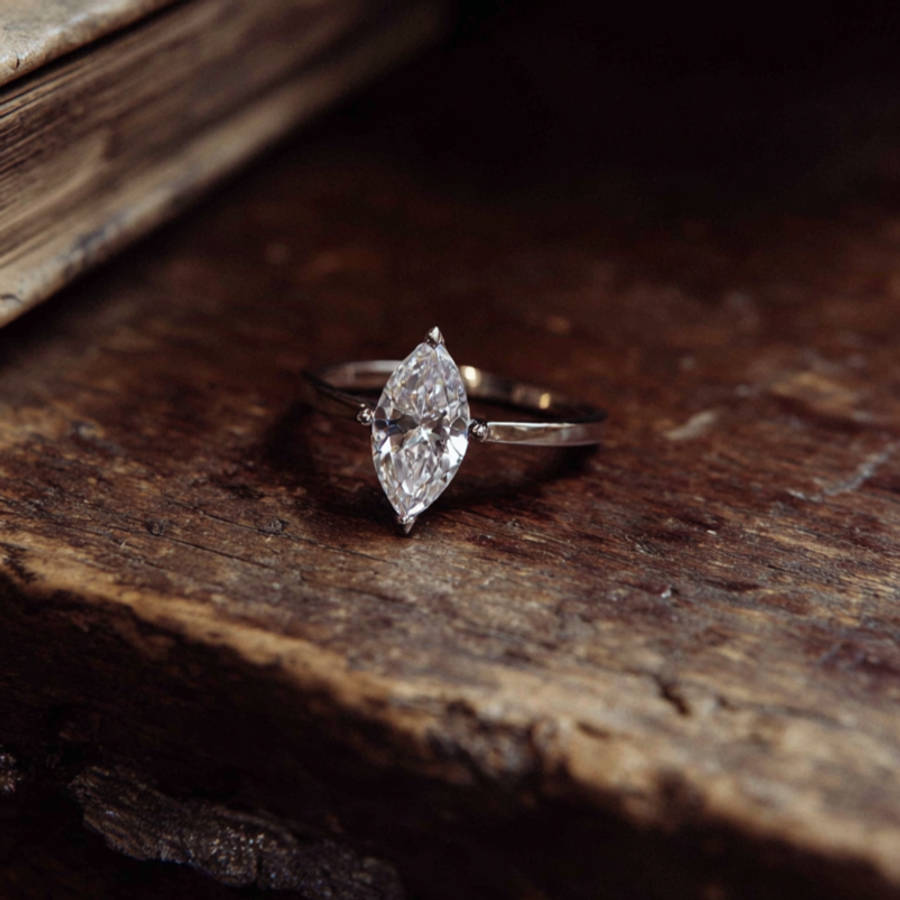
What’s the safest way to protect the ring before the proposal?
A ring is small, expensive, and weirdly talented at vanishing.
Two practical safety moves:
1) Keep it in its box or pouch until the moment. The Gemological Institute of America recommends storing jewellery properly (rather than chucking it loose into a pocket or bag where it can scratch or snag).
2) Make sure you’re covered if the worst happens. In the UK, rings are often covered under contents insurance (sometimes under valuables/personal possessions, with limits and conditions), so it’s worth checking what “good cover” actually looks like .
And once the ring is on their finger, it’s still worth knowing what everyday situations increase risk (water, chemicals, heavy lifting, etc.). Boutee’s “ what to avoid when wearing an engagement ring ” is a handy reality check.
Does the emotional moment matter more than the box?
Almost always, yes.
Most people remember the look on your face, the words you stumbled through, and the “oh my God” moment far more than the packaging.
If you want a gentle tradition nod without the full performance, you can still do the classic gesture (or not). Knees are optional , despite what films suggest.

What do photographers usually prefer?
If you’ve booked a photographer (or a sneaky friend with a decent camera), a ring box often helps.
A box creates a clear “reveal beat”: closed → opening → ring shown → reaction. That rhythm gives someone time to capture the moment cleanly, rather than trying to focus while you’re fumbling with a tiny band between two trembling fingers.
If photos matter, the box is the low-effort upgrade.
What should you do right after they say yes?
This is the bit people forget because their brain is busy doing cartwheels.
- Put the ring on somewhere steady (not over a drain, not on a windy cliff edge, not on a moving boat — you get the idea).
- Pop the box somewhere safe straight after, so it doesn’t go missing in the celebration.
- Take a breath before you announce it to everyone — enjoy the private bubble for a minute.

Quick decision checklist
Choose ring in a box if:
- you’re proposing outdoors / near water / in a crowd
- you want a classic reveal
- you want easier photos
Choose no box if:
- it’s a private, close moment
- you want it to feel spontaneous and intimate
- you’re confident your hands won’t betray you
FAQs
Is the engagement ring box important?
It’s not essential, but it is useful: it protects the ring, keeps it hidden, and makes the reveal easier to manage.
Do all engagement rings come with a box?
Most jewellers provide one, because safe storage and presentation are part of the job — but the quality and style varies.
Should I propose with the ring in a box?
If you’re unsure, choose the box. It reduces risk and adds a nice beat of anticipation.
Where should I hide a ring box when proposing?
A secure inside jacket pocket is often best. If you don’t have one, choose the tightest pocket you have and keep it upright.
Why do people propose with a ring?
It’s tradition, yes — but it’s also practical symbolism. The ring is a physical “I’m choosing you” that lasts beyond the moment.
Table of contents
-
 Should you propose with the ring in a box?
 - What are the pros and cons of proposing with a ring box?
- How do you propose without a ring box (and not make it weird)?
- Where should you put the ring box when proposing?
- What’s the safest way to protect the ring before the proposal?
- Does the emotional moment matter more than the box?
- What do photographers usually prefer?
- What should you do right after they say yes?
- Quick decision checklist
- FAQs
About the author
Billy Ward
Co-founder
Billy co-founded Boutee to help couples skip the high-street hard sell and work directly with independent UK jewellers. He now leads product and partnerships, obsessing over how to make the bespoke ring journey as simple, transparent and stress-free as possible.
Related posts
View all
When to Propose: 22 Signs You’re Ready
Here are 22 down-to-earth signs you’re genuinely ready - plus practical tips on rings, timing, and planning a proposal.
6 min read 
Placeholder Rings for Proposals: Are They a Good Idea?
When they work, what to watch for, and how to choose one without regret.
6 min read 
Why Do People Propose on One Knee? History, Meaning & Modern Etiquette
Who started it? And do you have to do it - especially if your knees creak like an old staircase?
6 min read