
What determines the price of an engagement ring?

 7 min read
 Share this post


Engagement ring prices can look mysterious from the outside, but they’re usually built from just four things: the centre stone, the metal, the setting/design, and the labour. Then there’s one extra layer that shows up mainly with bigger retail brands - you may also be paying for the way it’s sold (shops, marketing, stock, and the whole retail machine). With bespoke or made-to-order, the pricing is often more direct, so more of your budget goes into the materials and the making.
Change just one of those and you can often save money without changing the overall “wow” feeling.
If you haven’t set a budget yet, start here first (it makes every decision easier) with our step-by-step guide on setting an engagement ring budget .

How much does the centre stone affect engagement ring cost?
Usually the most. Natural diamonds often sit at the higher end, especially as carat and quality rise.
Diamond pricing is shaped by the 4Cs: cut, colour, clarity and carat.
If you want the plain-English version first, Boutee’s guide is here , and If you want the industry-standard explainer, GIA’s 4Cs resources are here .
How can you save on the stone without the ring looking “smaller”?
A few options tend to give the best value:
- Drop slightly in carat. Small changes often look similar on the hand.
- Prioritise cut. A well-cut smaller stone can look brighter than a bigger dull one.
- Consider lab-grown diamonds. They’re physically and chemically the same material as mined diamonds.
- Look at coloured stones. Sapphire, spinel, garnet and aquamarine can stretch budget and feel more personal.
For coloured options, this is a useful guide .
One nerdy-but-useful note: GIA launched an updated lab-grown diamond “Quality Assessment” approach (with simplified categories) from 1 October 2025 - worth knowing when you’re comparing certificates and reports.
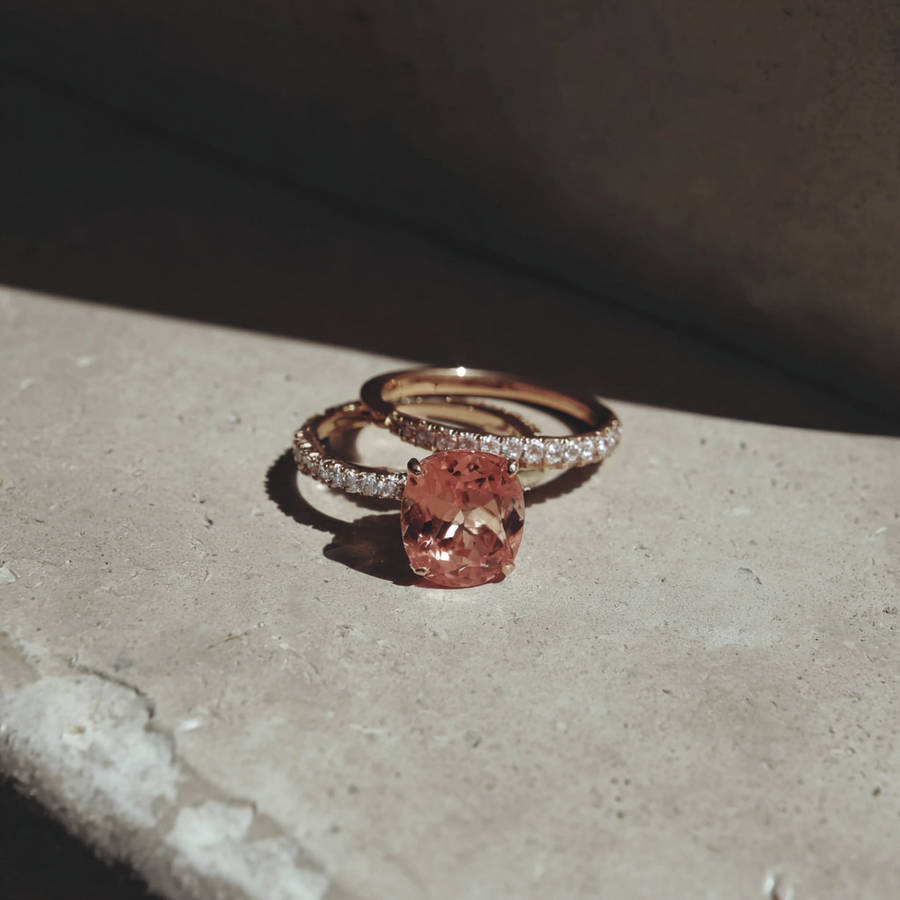
How does metal choice change the price?
Metal affects both cost and how the ring wears over time, so it’s worth thinking about lifestyle.
Platinum is typically pricier and very durable.
Gold varies by purity (9ct, 14ct, 18ct), and higher carat usually costs more because there’s more gold in the alloy.
If you want a quick reference on gold purity, the World Gold Council explains carat and percentage clearly.
If you’re choosing between white gold and platinum specifically, Boutee has a gold vs platinum comparison guide .
What are the easiest ways to save on metal?
There are two common wins:
- Choose 9ct instead of 18ct (still precious, often a meaningful saving).
- Keep the band profile simple (less metal and less work).
This metal guide is handy if you’re weighing durability vs colour vs budget.

How much do setting style and design details affect cost?
More than people expect. Some styles look “simple” but take ages to do properly.
Halo and pavé settings often cost more because they use extra stones and careful setting work. A classic solitaire usually gives you the most “centre stone impact per pound”.
If you want a clear breakdown of common settings, here's our guide to settings.
What does labour actually include?
Labour isn’t just “making the ring”. It includes design time, CAD (if used), wax/printing, casting, stone setting, polishing, finishing, quality checks, and often back-and-forth tweaks.
Importantly, Bespoke isn’t automatically more expensive. It can be better value as you’re not paying for brand mark-ups or features you don’t even want, and importantly a jeweller can help you adjust your ring design to meet your budget.
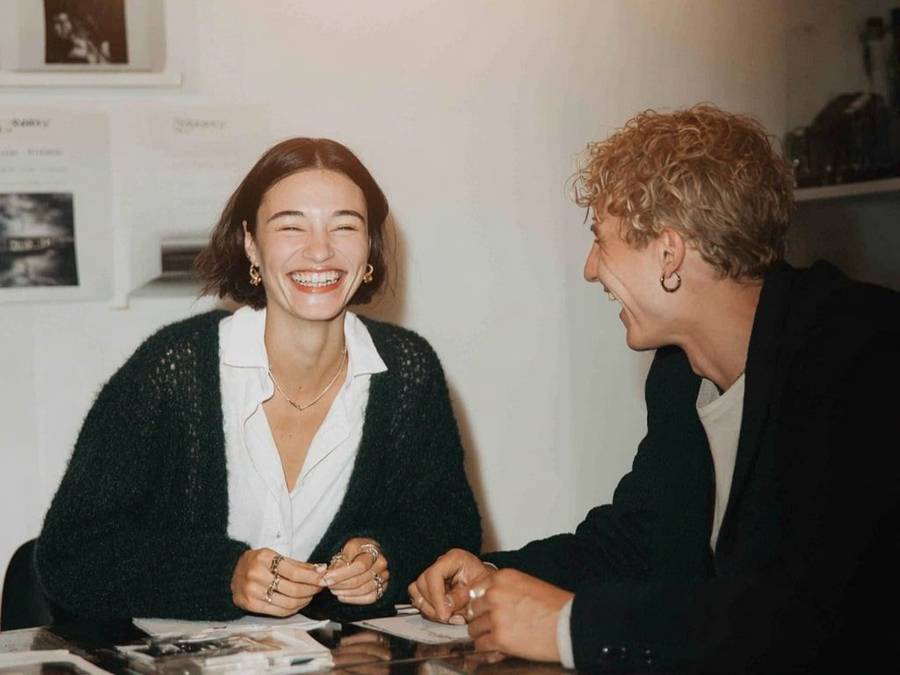
Does the brand (and where you buy) affect engagement ring price?
It does, yes - and it’s not always obvious until you compare quotes. Think of it like buying a nice meal: sometimes you’re paying mostly for the ingredients and the chef… and sometimes you’re also paying for the location, the fit-out, the marketing, the menu design, and the fact it’s on a very shiny high street or is a well known name.
What you’re paying for with big retail brands
With larger retailers, the price often covers the ring plus the machinery around selling it - shops, staffing, marketing, holding stock, handling returns, and head-office costs. That can be totally worth it if you want the convenience and try-on experience, but it’s one reason “factory-made” doesn’t automatically mean “cheaper”.
Why bespoke can feel better value
Bespoke or made-to-order pricing tends to be more about what’s actually in front of you:
- the stone and its specs
- the metal and how much is used
- the design + making + setting time
The other bonus is flexibility: if you start with a budget, a good jeweller can steer the design to stay inside it - keeping the parts you’ll notice (shape, proportions, sparkle, comfort) and trimming the parts you won’t.
When bespoke costs more
If you choose labour-heavy details - pavé, lots of small stones, intricate hand work - it’ll naturally cost more. The upside is at least you’re paying for craft, not mystery mark-ups.
What can you realistically get at different budgets in the UK?
Every jeweller prices slightly differently, but these are sensible expectations:
| Budget | What tends to work well | Smart moves for value |
| ~£1,000–£1,500 | Smaller centre stone, alternative gemstones, simpler settings | Prioritise cut, consider lab-grown or sapphire, keep setting clean |
| ~£1,500–£3,000 | More flexibility on stone size/quality and metal | Put money into one standout feature (stone or design) |
| ~£3,000–£5,000+ | Larger stones, more intricate settings, higher specs | Invest in comfort, durability, and secure settings |
If you want to browse real-world projects by budget, Boutee’s Ring Inspiration page is the quickest sanity-check.
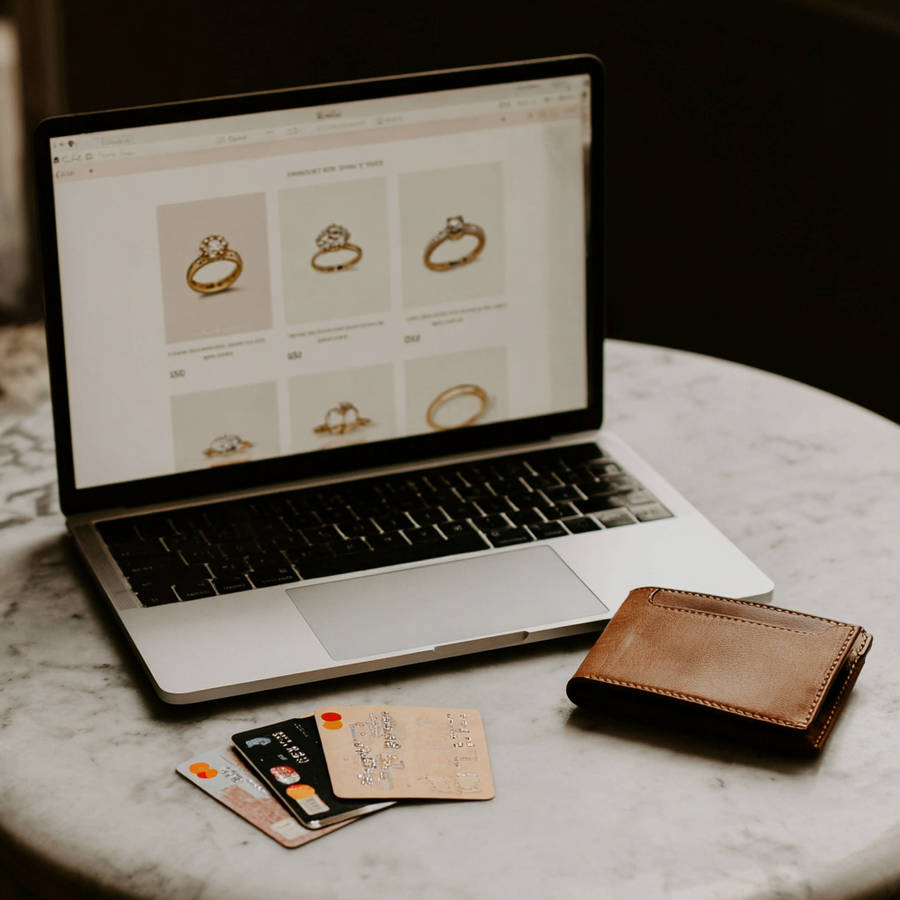
What “hidden costs” should you plan for?
A ring budget isn’t just the ring, also consider:
- Resizing
- Engraving
- Insurance
- Wedding band fit (if you’re pairing later)
FAQs
What are the biggest factors that affect engagement ring price?
Usually: centre stone, metal, setting style, and labour. The centre stone is often the biggest driver, especially with natural diamonds.
Why do diamonds with “similar specs” sometimes cost very different amounts?
Cut quality, subtle differences in colour/clarity, and how the stone performs in real life can change price noticeably. Certification and availability matter too. Here's a clear 4Cs refresher .
Are lab-grown diamonds cheaper than mined diamonds?
Often, yes - and they’re still diamonds (same material properties). Pricing depends on size and specs, but lab-grown can be a way to increase visual impact without increasing budget pressure.
Does gold carat (9ct vs 18ct) make a big difference to cost?
It can. Higher carat gold typically costs more because it contains more gold. 9ct can be a meaningful saving while still being a precious metal suitable for everyday wear.
Is platinum always more expensive than gold?
Not always, but it often is - and it’s popular for durability. Your final cost depends on design, weight, and workmanship, not just the metal label.
Which ring settings tend to cost the most?
Halo and pavé styles often cost more because they include extra stones and more setting work. Intricate vintage-inspired details can also add labour time.
What are the most budget-friendly settings that still look special?
Solitaire and minimalist styles usually give strong “centre stone impact per pound”. Bezel settings can also look sleek and be very practical for day-to-day life. Here's our full breakdown of ring settings and their pros and cons.
Is a bespoke engagement ring always more expensive?
No. Bespoke can actually help you hit a budget because you can spend on what matters to you and cut what doesn’t. The design choices (stone, setting complexity, extra accent stones) matter more than the word “bespoke”.
Do I need to think about hallmarking in the UK?
Yes - hallmarking is a consumer protection and quality check. GOV.UK’s guidance is here , and the Boutee's plain-English version here
What hidden costs should I plan for besides the ring price?
Common ones are resizing, engraving, insurance. If you’ll wear a wedding band next to it later, it’s also worth considering how the ring will sit alongside it.
Table of contents
-
 How much does the centre stone affect engagement ring cost?
 - How can you save on the stone without the ring looking “smaller”?
- How does metal choice change the price?
- What are the easiest ways to save on metal?
- How much do setting style and design details affect cost?
- What does labour actually include?
- Does the brand (and where you buy) affect engagement ring price?
- What can you realistically get at different budgets in the UK?
- What “hidden costs” should you plan for?
- FAQs
About the author
Billy Ward
Co-founder
Billy co-founded Boutee to help couples skip the high-street hard sell and work directly with independent UK jewellers. He now leads product and partnerships, obsessing over how to make the bespoke ring journey as simple, transparent and stress-free as possible.
Related posts
View all
Buying an Engagement Ring on a Budget (Without It Feeling “Budget”)
From lab-grown diamonds and moissanite to metal choices, settings, hallmarking, and bespoke options that won’t sting.
7 min read 
How Much Does A Custom Engagement Ring Cost in the UK?
Custom engagement ring costs explained, with smart ways to save.
7 min read 
Ethical Jewellery: What it Means (And How to Buy With Confidence)
Recycled vs Fairtrade gold, conflict-free diamonds, lab-grown options, and what to ask your jeweller.
7 min read