
Gold-Plated Jewellery

 7 min read
 Share this post


Gold-plated jewellery is a bit like a really good blazer: it can make everything look more put-together, but it won’t thank you for being dragged through a muddy field.
Gold plating is popular in the UK because it gives you the glow of gold for a much friendlier price. Gold plating also comes with a simple truth: the gold layer is thin, so how you buy it (and how you treat it) matters.
This guide covers what gold-plated jewellery is, what “good” looks like, how to style it, and exactly how to clean gold-plated jewellery without accidentally scrubbing the gold right off.
What is gold-plated jewellery, exactly?
Gold-plated jewellery is made from a base metal (often brass, stainless steel, or sterling silver), then coated with a layer of real gold using plating methods such as electroplating.
Gold plating is real gold on the surface, just not a lot of it. The thickness can be tiny (measured in microns), which is why the finish can fade over time – especially on high-friction areas like ring bands and bracelet clasps.

Is gold plating “new”, or has everyone always been at it?
Gold-plating techniques have been around for a very long time, but modern jewellery plating became far more common once electroplating processes became widely used.
Today, gold plating is mainly about making jewellery more affordable and more versatile – so you can try trends (or commit to daily gold vibes) without treating every purchase like a pension contribution.
Is gold-plated jewellery worth buying?
Gold-plated jewellery is worth it when you want:
- The look of gold on a budget.
- Style flexibility (changing your stack without selling a kidney).
- Occasional-wear pieces that don’t need to survive daily life.
Gold-plated jewellery is less ideal when you want:
- A forever piece you’ll wear daily for years.
- Strong resale value (plating generally doesn’t hold value like solid gold).
- Maximum durability in water, sweat, gym life, beach holidays, and general chaos.

What should you look for when buying gold-plated jewellery?
Can the brand tell you the plating thickness?
Plating thickness is one of the biggest predictors of how long gold-plated jewellery lasts.
Some official guidance around gold electroplating terms references minimum thickness levels (with “heavy” plating being much thicker), which is useful context when you’re comparing products.
If a seller won’t share any detail (microns, process, base metal), assume you’re buying a “pretty for now” piece – and price it accordingly.
What’s the base metal underneath?
The base metal affects:
- Longevity (sterling silver generally ages more gracefully than mystery metals).
- Skin comfort (especially if you’re sensitive).
If you react to certain jewellery, it’s worth knowing that nickel-release limits apply to items intended for prolonged skin contact, and reputable sellers should be able to reassure you about compliance.
What karat is the gold layer?
Gold plating can be different purities. Higher purity gold can look warmer, but durability depends more on thickness and how you wear it than the karat number alone. (Softness and scratching are a factor too.)
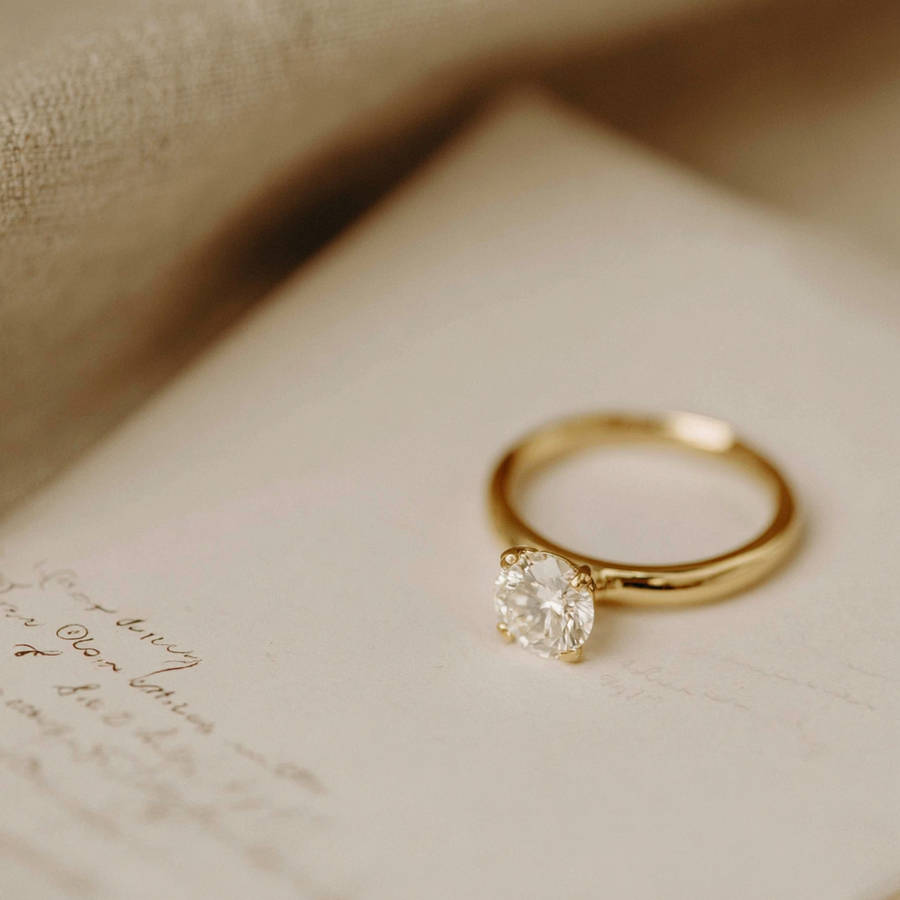
Gold plate vs gold vermeil vs gold filled vs solid gold
Here’s the bit that clears up a lot of shopping confusion.
| Type | What it is | Best for | Watch-outs |
| Gold-plated | Thin layer of gold over base metal | Trend pieces, occasional wear, budget-friendly gifting | Can fade with friction, water, sweat |
| Gold vermeil | Gold over sterling silver, with a thicker minimum gold layer used in some standards | More durable “upgrade” from standard plating | Costs more than standard plating; still not solid gold |
| Gold filled / rolled gold | Mechanically bonded gold layer (more gold than plating) | Everyday wear without solid-gold prices | Terminology matters; quality varies |
| Solid gold (9ct/14ct/18ct) | Gold alloy throughout | Daily wear, heirloom pieces, long-term value | Higher cost up front; scratches still happen |
If you’re weighing up metals more generally (especially for something you’ll wear every day), our guide to what metal is best for your engagement ring is a helpful next step. And if you’re deciding which gold tone actually suits you, yellow, white and rose gold: which is the best for you makes it much less of a guessing game.

How should you wear gold-plated jewellery so it lasts?
Gold-plated jewellery lasts longer when you treat it like the finishing touch, not the foundation.
Put it on last - Perfume, hairspray, and skincare go on first. Jewellery goes on once everything’s dry.
Take it off for “wet” and “rough” activities - Showers, swimming, cleaning products, gym sessions, and gardening all speed up wear.
Rotate your favourites - A necklace worn twice a week can look brilliant for ages. The same necklace worn daily through winter scarves and summer sunscreen… less so.
If you want a practical checklist of “things that quietly wreck jewellery”, our guide on what to avoid when wearing an engagement ring is surprisingly transferable to gold-plated pieces too.

How do you clean gold-plated jewellery safely?
Gold plating doesn’t need aggressive cleaning. In fact, aggressive cleaning is how people accidentally turn “gold-plated” into “formerly gold-plated”.
For regular cleaning (the safest routine):
- Wipe with a soft, dry, lint-free cloth after wearing.
For a deeper clean (occasionally):
- Use lukewarm water with mild soap.
- Gently clean with a very soft brush if needed.
- Rinse carefully and pat dry (don’t rub like you’re polishing a car).
This gentle approach is widely recommended for jewellery care because it avoids harsh chemicals and abrasion.
Avoid:
- Any “miracle hacks” from the internet.
- Metal dips and strong cleaners unless the brand specifically says it’s safe.
- Excessive polishing (polishing can remove plating over time).
If you’re also caring for solid gold pieces, caring for your gold jewellery is a handy companion read (and it’ll help you avoid the classic “I cleaned it and now it looks worse” situation).
How should you store gold-plated jewellery?
Storage is the easiest “extra year of life” you can give a plated piece.
- Store pieces separately (pouches or compartments stop scratches).
- Keep them dry (humidity speeds up tarnish and dullness).
- Don’t toss chains into a drawer like spaghetti (you’ll regret it).

Does gold-plated jewellery have a hallmark in the UK?
In the UK, hallmarking is about certifying the precious metal content of the item, and official guidance exists on when hallmarking is required for items described as precious metal.
Gold-plated pieces usually won’t be hallmarked as gold, because they aren’t made of gold throughout.
If you want a simple explainer of what hallmarking is, your guide to hallmarking is a great guide.
When should you re-plate (or replace) a gold-plated piece?
Re-plating is worth considering when:
- The colour has faded in high-contact areas.
- You can see the base metal peeking through.
- The piece has sentimental value and fits into your regular rotation.
Replacing makes sense when:
- The base metal is tarnishing or irritating your skin.
- The cost of re-plating doesn’t stack up against buying a better-quality version.

FAQs
Is gold plated okay for an engagement ring?
It can work short-term or for occasional wear, but daily wear usually rubs the plating off, so solid gold or platinum is the better long-term choice.
How long do gold-plated rings last?
Typically anywhere from a few months to a couple of years, depending on plating thickness, how often you wear it, and exposure to water, sweat, and chemicals.
Is it worth buying gold-plated jewellery?
Yes, if you want the gold look for less money or for trend pieces, but it’s not ideal if you need something to last decades.
Is gold-plated jewellery real or fake?
It’s real gold on the surface over a base metal, but it isn’t solid gold and contains only a small amount of gold overall.
Table of contents
-
 What is gold-plated jewellery, exactly?
 - Is gold plating “new”, or has everyone always been at it?
- Is gold-plated jewellery worth buying?
- What should you look for when buying gold-plated jewellery?
- Gold plate vs gold vermeil vs gold filled vs solid gold
- How should you wear gold-plated jewellery so it lasts?
- How do you clean gold-plated jewellery safely?
- How should you store gold-plated jewellery?
- Does gold-plated jewellery have a hallmark in the UK?
- When should you re-plate (or replace) a gold-plated piece?
- FAQs
About the author
Ethan Ward
Co-founder
Ethan looks after the whole Boutee journey from first click to “yes”, making sure every person is matched with the right independent jeweller and never feels lost along the way. He’s also the champion of our maker community, supporting independent jewellers, building meaningful connections and helping the right connections spark.
Related posts
View all
Should you choose a halo engagement ring?
Explore halo styles (single, double, hidden), metal and gemstone options, UK hallmarking basics, and how to choose the right design.
7 min read 
Engagement Ring Settings: The Pros & Cons of Each
A clear, practical guide to the most popular engagement ring settings, explaining how each one looks, wears, and fits different lifestyles.
7 min read 