
Does White Gold Tarnish? How to Keep Your Jewellery Shining for Years

 6 min read
 Share this post


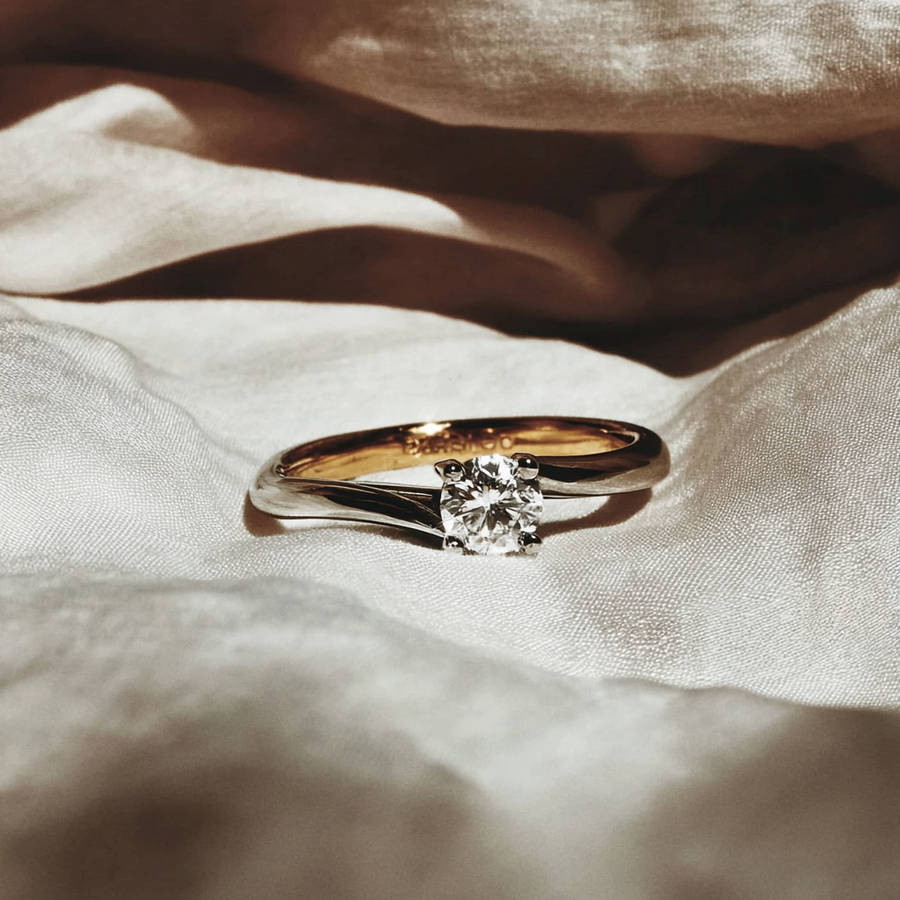
White gold is a bit like a crisp white shirt. Elegant, flattering, goes with everything… and somehow always the first thing to show wear. If you’ve noticed your white gold ring or necklace looking a touch less bright than it once did, don’t panic — you haven’t been sold a dud.
So, does white gold tarnish?
Short answer: yes, but not in the way most people think. And the good news is, it’s completely normal, manageable, and reversible.
Let’s break it down properly — no jeweller jargon, no scare tactics.
What is white gold, actually?
Despite the name, white gold isn’t naturally white. It’s an alloy — pure yellow gold mixed with lighter metals like silver, palladium, or sometimes nickel, to give it a paler tone.
To finish the job, most white gold jewellery is coated in rhodium: a bright, silvery-white metal that boosts shine and adds protection. This rhodium plating is what gives white gold its fresh-from-the-box brilliance.
If you want a deeper dive into metals, we’ve already covered the pros and cons in our guide: Yellow, White and Rose Gold – Which Is Best for You?
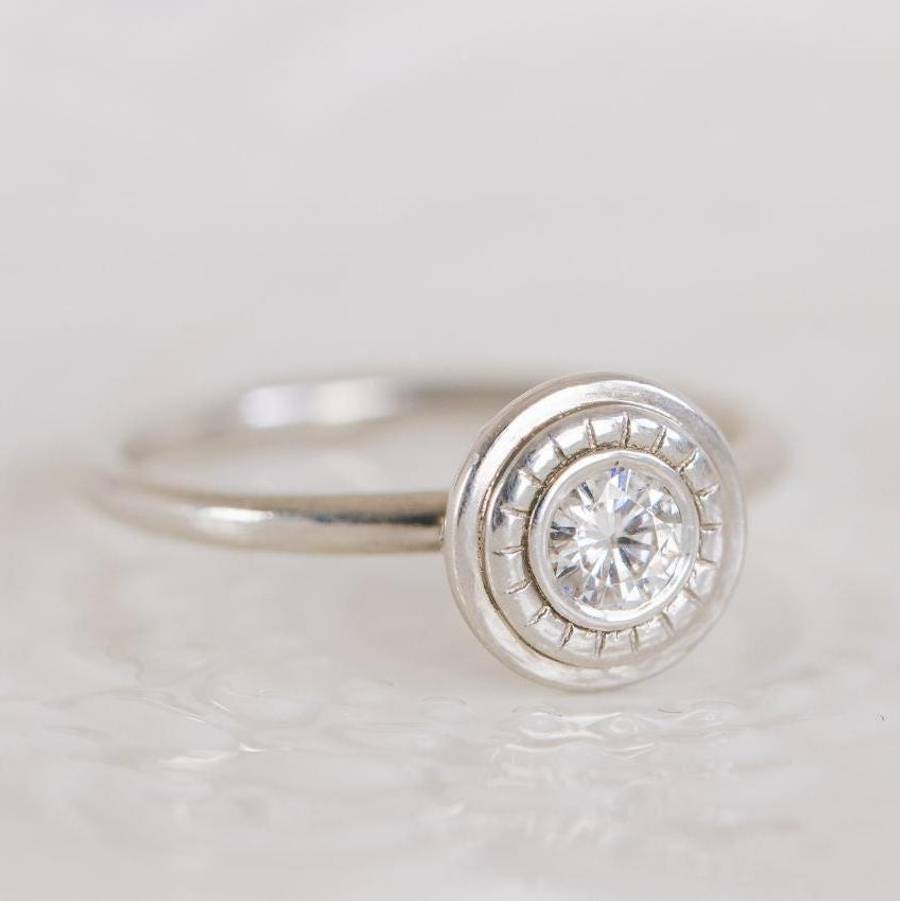
Solera Engagement Ring by Jodie Gearing
Does white gold tarnish, or is something else going on?
Here’s the important bit: white gold doesn’t tarnish like silver.
Silver oxidises and turns dark. White gold, on the other hand, tends to lose brightness or develop a faint yellowish tone over time. What you’re usually seeing isn’t tarnish — it’s the rhodium plating wearing away.
Once that protective layer thins, the warmer colour of the gold alloy underneath starts to peek through. Entirely normal. Entirely expected. Especially for rings worn every day.
Why does white gold lose its shine over time?
A few usual suspects are at play:
1. Everyday wear (the biggest culprit)
Wedding and engagement rings take a daily beating — hands in pockets, on keyboards, washing up, grabbing coffee cups. All that friction slowly wears down rhodium plating.
2. Skin chemistry
Some people’s skin is more acidic than others. Sweat can speed up how quickly plating wears, especially on rings and bracelets.
3. Products and chemicals
Lotions, perfumes, cleaning products, chlorine — all perfectly innocent on their own, but collectively not kind to jewellery.
The UK Assay Office explains how alloys and surface finishes behave over time if you’re curious about the science behind it.
4. Storage habits
Leaving pieces loose in a drawer or jewellery box lets them rub against each other, causing micro-scratches that dull the finish.
What does tarnished white gold look like?
Common signs include:
- A slightly yellow or warm tint
- Dullness rather than sparkle
- Discolouration around edges or prongs
This is often most noticeable on rings — which ties in neatly with what we found when looking at how often people actually wear their engagement rings.

How do you keep white gold shiny for years?
Good news: maintaining white gold is straightforward, not fussy.
Rhodium replating (your reset button)
A professional rhodium replate restores that bright white finish completely. Most jewellers recommend every 6–12 months for daily-wear rings. It’s quick, affordable, and makes a dramatic difference.
The Gemological Institute of America (GIA) confirms that rhodium plating is standard practice for white gold jewellery.
Be choosy about when you wear it
Take your jewellery off when:
- Cleaning
- Swimming
- Exercising
- Applying skincare or perfume
Yes, it’s mildly annoying. But it adds years to the finish.
Gentle cleaning at home
Every couple of weeks:
- Warm water
- A drop of mild washing-up liquid
- Soft toothbrush
- Dry immediately with a lint-free cloth
We’ve got a step-by-step guide here if you want specifics: Caring for Your Gold Jewellery
Store pieces separately
Soft pouches or lined compartments prevent scratches and friction — especially important if you mix metals.
White gold vs silver: are they really that different?
Yes — and it’s an important distinction.
| White Gold | Silver |
| Loses plating over time | Oxidises naturally |
| Needs replating | Needs frequent polishing |
| More durable for daily wear | Softer, more reactive |
If you’re weighing up alternatives, our comparison of White Gold vs Platinum is worth a read too.
Does white gold need maintenance forever?
In short: yes — but lightly and infrequently.
White gold is popular because it’s durable, versatile, and flattering with gemstones. A little care keeps it looking exactly as it should. And unlike trends, it doesn’t date.
If you like jewellery that’s designed around your lifestyle — including how much wear it’ll get — working with an independent jeweller makes a real difference. They’ll guide you on alloy choice, plating thickness, and long-term care from day one.
That’s exactly why we built Boutee — to match you with jewellers who design with real life in mind.
If you want to gather some white gold ideas, take a look at our inspiration page.
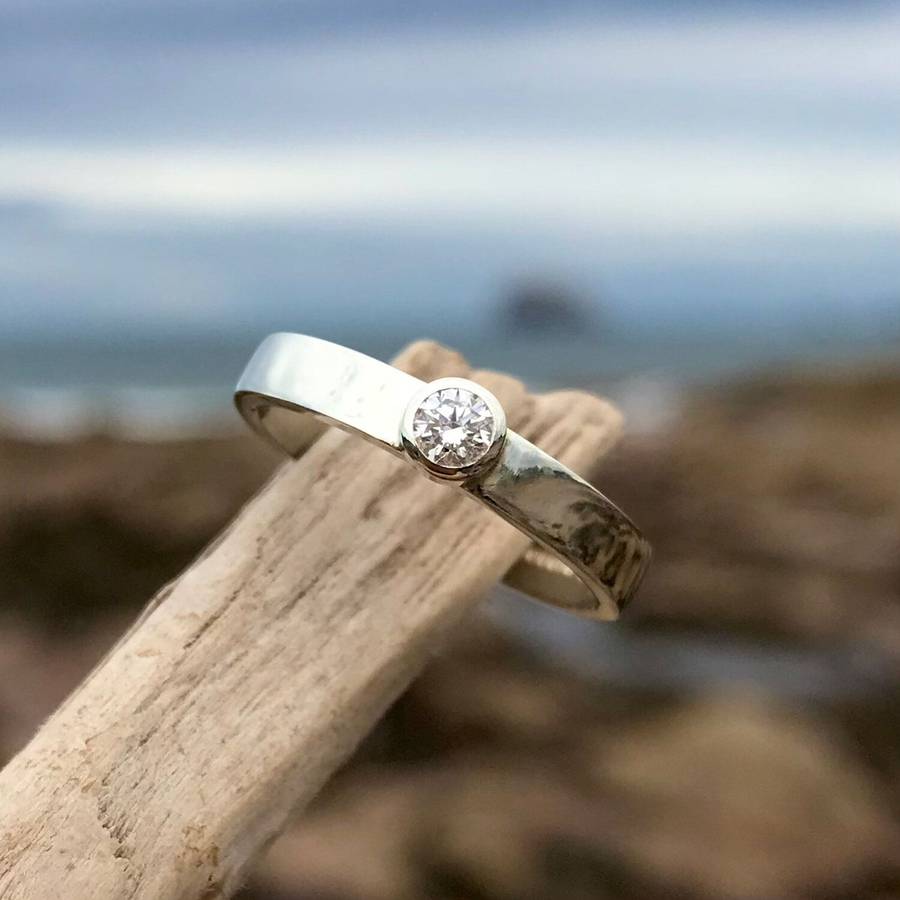
Diamond Engagement Ring by Hannah Louise Lamb
FAQs
Does white gold turn yellow over time?
Yes — and it’s completely normal. White gold is naturally a pale yellow alloy, and most pieces are coated in rhodium to give them that bright white finish. Over time, everyday wear causes the rhodium plating to wear away, allowing the warmer tone underneath to show through. It doesn’t mean the ring is poor quality — just that it’s lived a little.
How long does rhodium plating last on white gold?
It depends on how often you wear it. For rings worn every day (like engagement or wedding rings), rhodium plating typically lasts 6–12 months. Necklaces and earrings can last much longer because they’re exposed to less friction. Replating restores the original shine completely.
Can I shower or swim with white gold jewellery?
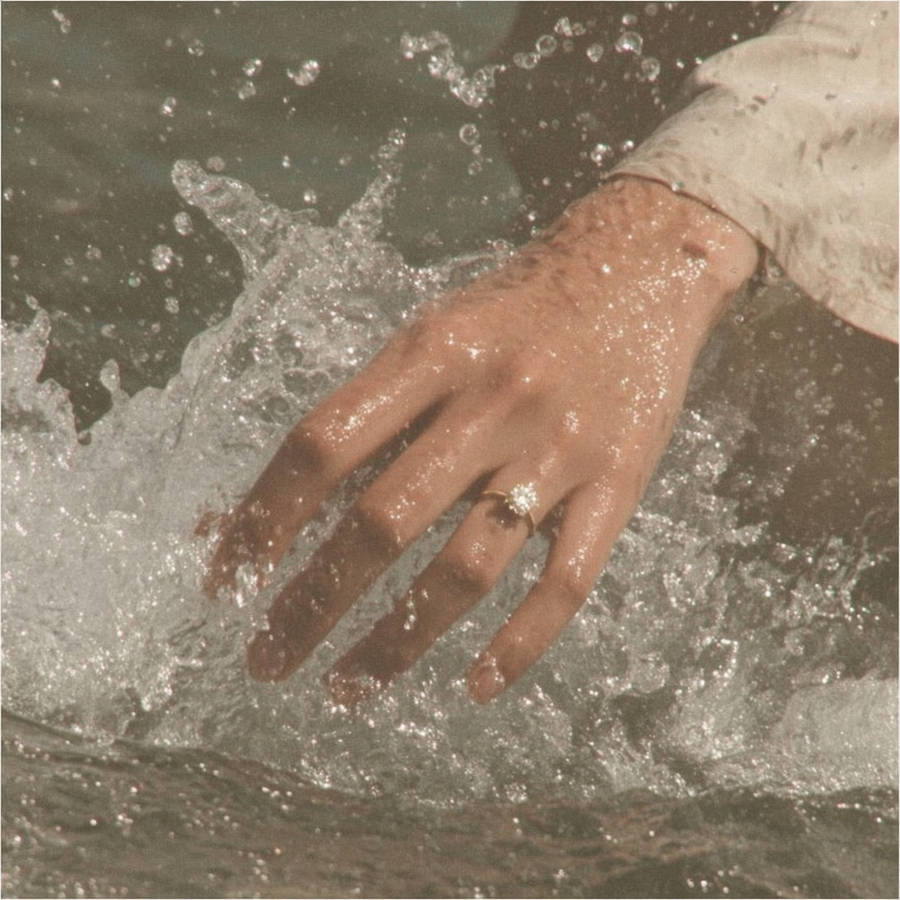
You can, but it’s not a great idea. Soap residue, chlorine, salt water, and hard water minerals all speed up wear on rhodium plating. Taking white gold off before showering, swimming, or cleaning will significantly extend how long it stays bright.
Why does my white gold ring look dull even after cleaning?
Home cleaning removes dirt and oils, but it can’t replace worn rhodium. If your ring still looks slightly yellow or flat after gentle cleaning, that’s usually a sign the plating is thinning — not that it’s dirty. A professional replating is the fix, not more scrubbing.
Is white gold high maintenance compared to other metals?
Slightly — but not excessively. White gold needs occasional replating, whereas yellow gold doesn’t change colour, and platinum develops a patina instead of losing brightness. Many people still choose white gold because they love its look, and the upkeep is predictable, affordable, and infrequent.
Table of contents
-
 What is white gold, actually?
 - Does white gold tarnish, or is something else going on?
- Why does white gold lose its shine over time?
- What does tarnished white gold look like?
- How do you keep white gold shiny for years?
- White gold vs silver: are they really that different?
- Does white gold need maintenance forever?
- FAQs
About the author
Ethan Ward
Co-founder
Ethan looks after the whole Boutee journey from first click to “yes”, making sure every person is matched with the right independent jeweller and never feels lost along the way. He’s also the champion of our maker community, supporting independent jewellers, building meaningful connections and helping the right connections spark.
Related posts
View all
Caring for Your Gold Jewellery: A Practical Guide to Keeping It Beautiful for Years
Learn how to care for gold jewellery, prevent scratches and tarnish, and decide when to seek professional cleaning
6 min read 
Embracing Marks and Scratches on your Engagement Ring
Learn what causes them, when to polish, how to clean safely, and when to see a jeweller.
6 min read 
How to Choose Wedding Rings
Our handy guide to help you pick your perfect wedding rings.
6 min read