
Exploring Gemstone Cuts

 9 min read
 Share this post


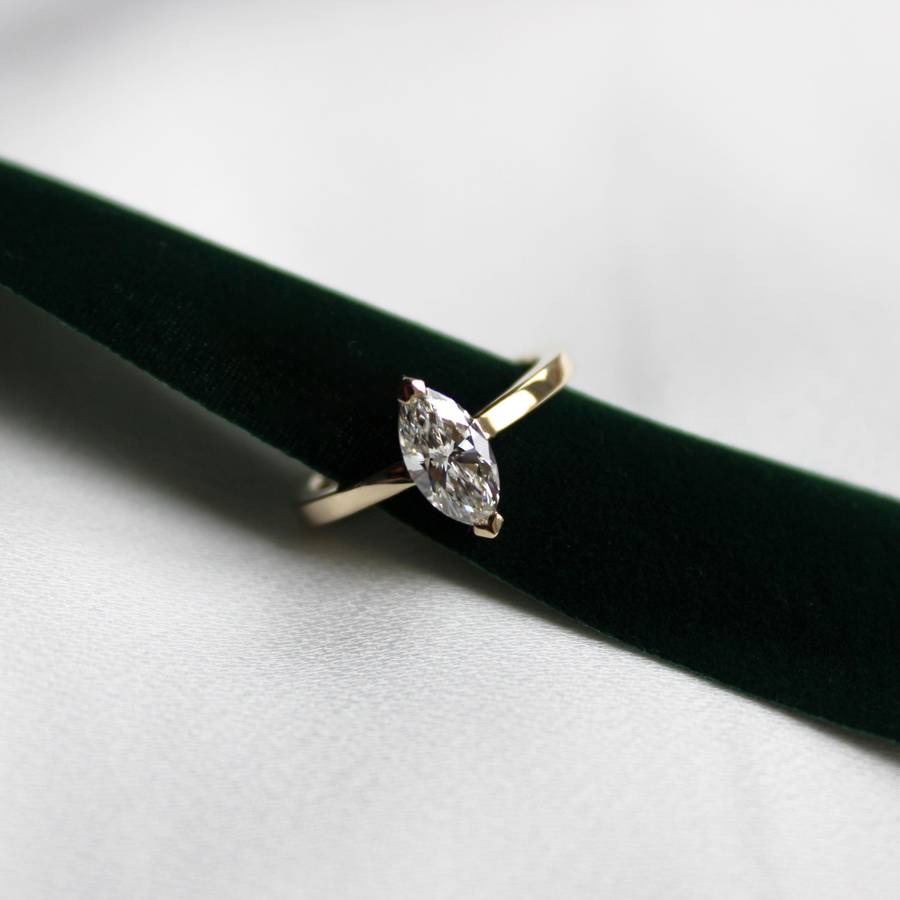
Pictured above: Marquise Solitaire by Jwllry by Jade
Gemstone cuts are more than just “shape”. A gemstone cut is the pattern of facets (those tiny polished surfaces) that controls how light behaves inside the stone, which is why two gems of the same size can look wildly different on the hand. The right cut can boost brightness and sparkle, flatter your finger, and even make a gem look larger – without paying for extra carat weight.
Cut quality also affects how a stone sparkles: brightness (overall light return), fire (little flashes of rainbow colour), and scintillation (that “twinkly” on-off sparkle as the stone moves). GIA breaks these down clearly, and it’s a handy mental checklist when you’re comparing stones side-by-side.
If you’re choosing a stone for an engagement ring, cut matters because it impacts both beauty and practicality. Pointy corners need protection, step cuts show inclusions more easily, and some shapes are more prone to the “bow-tie” shadow if proportions are off.
If you’d like a quick refresher on what actually affects sparkle, our guide to the 4Cs is a useful companion: A quick guide to the 4C’s of diamonds .
Quick comparison table
| Cut | Visual “vibe” | Sparkle style | What to watch for |
| Round | Classic, balanced | High brightness + lots of scintillation | Nothing dramatic - just choose good cut quality |
| Oval | Modern-classic, elongating | Brilliant sparkle | Bow-tie shadow if cut poorly |
| Emerald | Sleek, architectural | “Hall of mirrors” flashes | Inclusions/colour show easily |
| Pear | Elegant, artistic | Brilliant sparkle | Bow-tie + point needs protection |
| Princess | Clean, modern | Bright, punchy sparkle | Corners need strong prongs |
| Radiant | Bold, lively | Bright sparkle, often “crushed ice” look | Busy facet pattern is love-it-or-not |
| Marquise | Dramatic, elongating | Brilliant sparkle | Bow-tie + tips need protection |
| Asscher | Vintage glamour | “Hall of mirrors” flashes | Shows inclusions; needs good clarity |
| Cushion | Soft, vintage | Firey flashes (varies by style) | Faceting varies a lot – compare in videos |
If you’re not sure how a setting changes the “look” (and how safe it is for daily wear), this helps: Engagement ring settings: the pros & cons .
Why is the round cut still the go-to for sparkle?
The round cut (often a round brilliant in diamonds) is popular because its facet pattern is designed to return light efficiently, which tends to translate to strong brightness and lively scintillation. GIA notes that the standard round brilliant typically has 57 or 58 facets, and that facet arrangement is a major part of why it performs so well.
A round cut also plays nicely with almost any setting style, so it’s a safe bet if you want maximum flexibility later (halo, solitaire, trilogy… you name it). A round centre stone can also be a practical choice if you’re tough on your hands, because it has no sharp points to baby.

Round Cut 0.77ct Teal Sapphire Halley Triad by Lelya
Why do people choose a radiant cut?
The radiant cut is a mixed-style cut that’s often chosen when someone wants a bold outline (square or rectangular with trimmed corners) but still wants plenty of sparkle. Radiant cuts can also show a “crushed ice” look, where sparkle is more shimmering and splintery rather than big clean flashes, which some people love for its texture.
The clipped corners can make radiant cuts feel a bit more durable than other pointy shapes, and they can work brilliantly in more contemporary settings. If you like sparkle but want something less expected than a round, radiant is a strong contender.
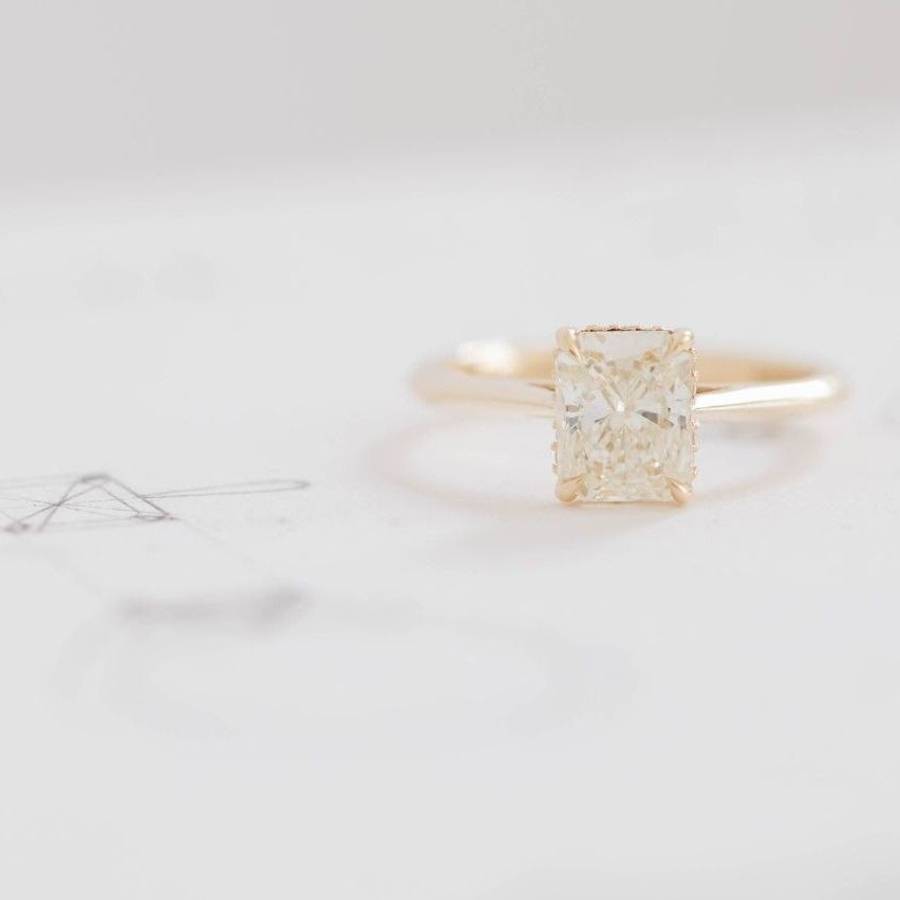
Radiant Cut Diamond Engagement Ring by Jodie Gearing
What makes an oval cut look bigger on the finger?
The oval cut keeps much of the brilliant-style sparkle you’d expect from a round stone, but its elongated outline can create the illusion of more size and a longer-looking finger. GIA calls out that elongated shapes (including oval) can appear larger than a round of the same carat weight.
The main thing to know with oval cuts is the potential for a bow-tie, a darker band across the centre when light isn’t bouncing evenly. Fancy shapes like oval can show more complex appearance patterns (including bow ties), so it’s worth viewing videos in different lighting rather than relying on one perfect studio photo.
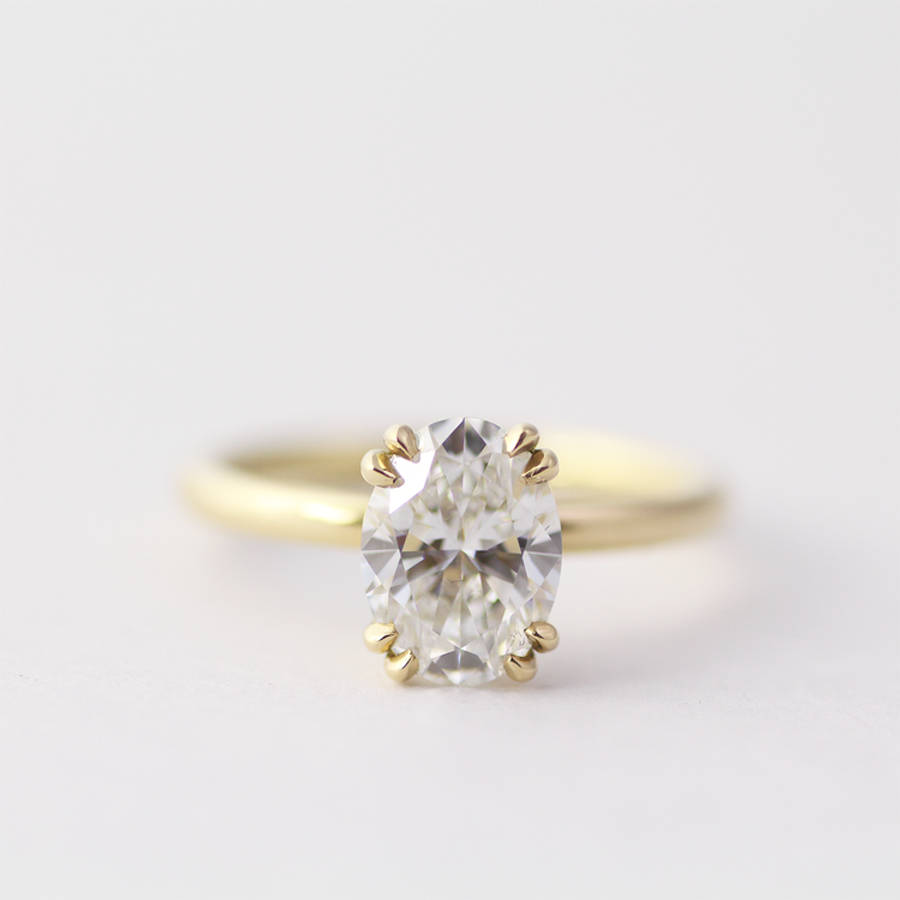
Oval Claw Set Diamond Ring by Natalia Rafi Jewellery
Why does the emerald cut sparkle differently?
The emerald cut is a step cut, which means long, open facets that create broader flashes of light – often described as a “hall of mirrors” effect. GIA explains that this is a gleam created by those open step-cut facets, and it’s a very different look from “pin-fire” sparkle.
The open facets and large table can make inclusions and colour easier to spot, so the emerald cut tends to reward higher clarity (and careful stone selection). An emerald cut is ideal if you like clean lines and a calm, confident kind of sparkle rather than constant glitter.
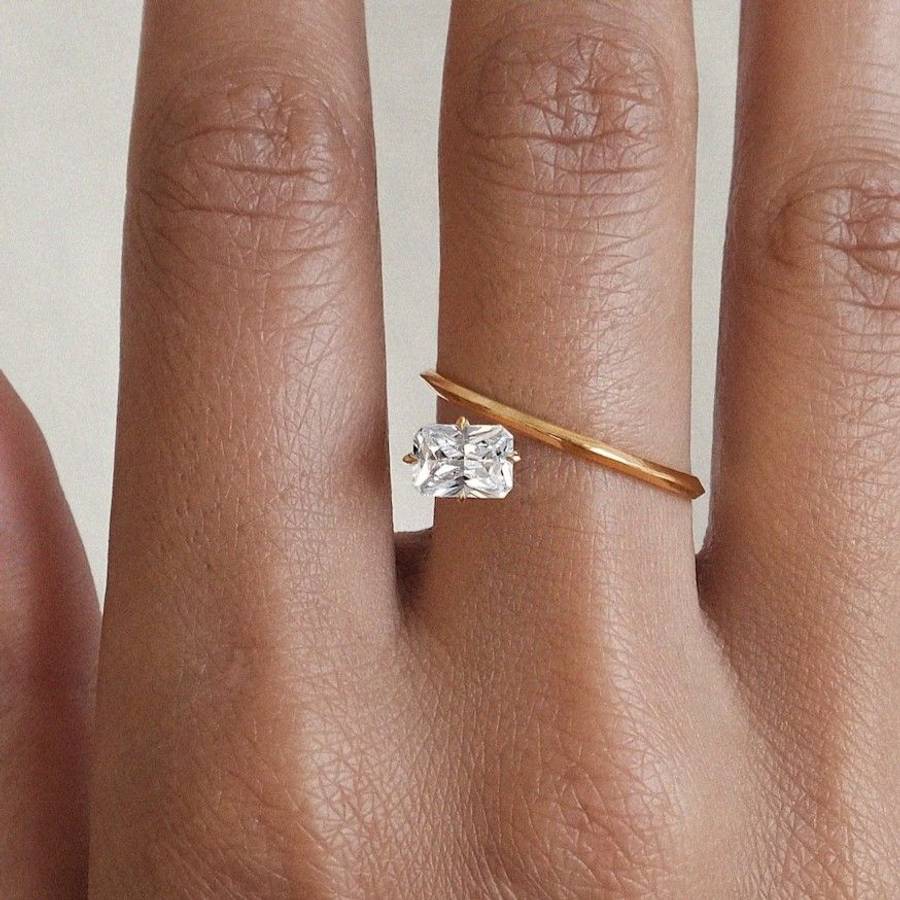
Zyan Ring by EDXÚ
What’s special about a pear cut (and how do you avoid common issues)?
The pear cut (the “teardrop”) blends a rounded end with a single point, which can look elegant in rings and naturally suits drop earrings too. Pear shapes, like ovals and marquise, can show more complex face-up patterns — including bow ties — so cut quality and proportion balance really matter.
A pear cut also has a practical consideration: the point is the most vulnerable part, so a protective setting detail (like a V-prong) is often recommended. If you want the look but you’re active, a more protective setting can save you future heartbreak (and repair bills).
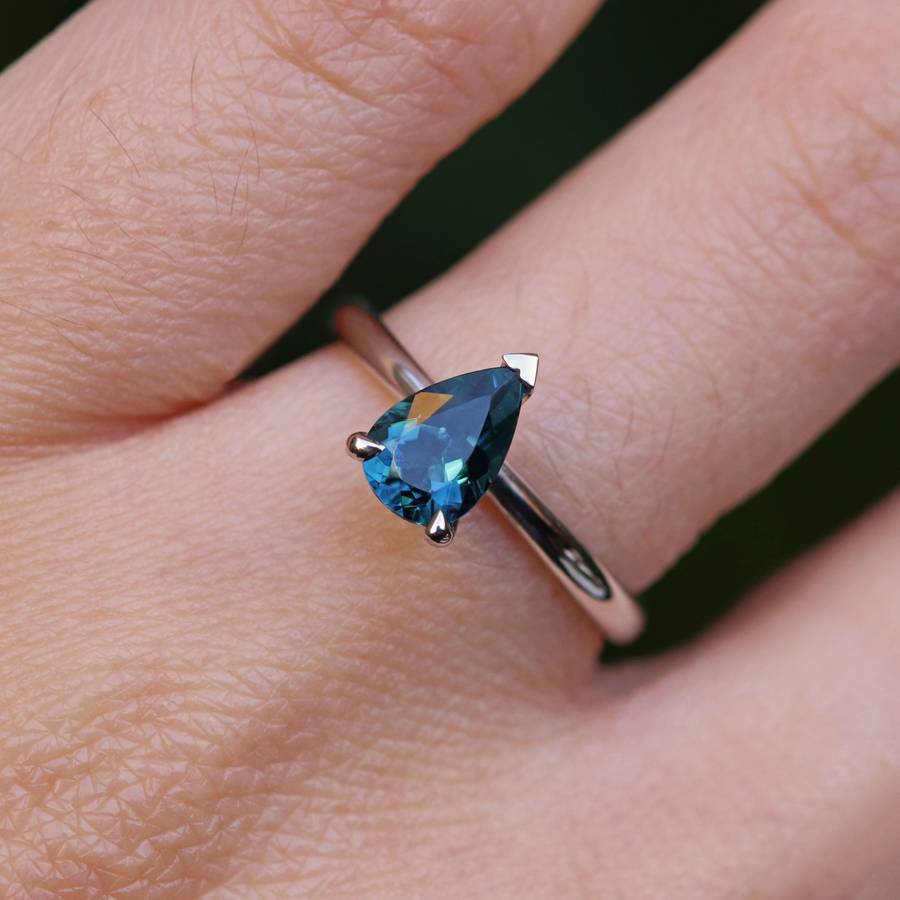
Pear Ring by Bryony Wong
Is a princess cut a good idea for everyday wear?
The princess cut is known for its crisp, square outline and strong brilliance, which makes it feel modern and a bit architectural. The sparkle can be very lively because many princess cuts use brilliant-style faceting patterns.
The key practical point is those corners: princess cuts have vulnerable tips, so settings are commonly designed to protect the corners (GIA specifically highlights the importance of secure corner protection in princess-cut settings). If you love the look, just make sure the setting choice matches real life – especially if you’re the sort of person who opens boxes like it’s an Olympic sport.

Salt and Pepper Diamond Smokey Princess Cut by Sarah Hickey Jewellery
What makes a marquise cut so flattering (and so dramatic)?
The marquise cut is long and tapered, which can make fingers look more slender and give a lot of “spread” for the carat weight. GIA’s research on fancy shapes groups marquise alongside oval and pear as shapes that can show complex appearance patterns like bow ties, so it’s worth being fussy about cut quality.
Historically, the marquise has a slightly glamorous origin story: it’s often said to trace back to 18th-century France, linked to King Louis XV commissioning a shape inspired by the lips of the Marquise de Pompadour. Treat that as lore rather than a sworn statement in court, but it’s a fun bit of jewellery history.

Tourmaline Trilogy 9ct Gold Ring by Áille Jewellery
What is an Asscher cut, and why does it feel so “vintage”?
The Asscher cut is a square step cut with a high crown and a distinctive geometric look that leans Art Deco. GIA notes it was developed in 1902 by Joseph Asscher, and that its facet structure creates a “hall of mirrors” effect similar to emerald cuts, but in a more compact, symmetrical form.
Because Asschers are step cuts, they tend to show clarity characteristics more readily, so stone choice matters. If you love clean geometry and that glassy, reflective look, the Asscher cut is a beautiful route to vintage style without needing a literal antique ring.

4ct Yellow Sapphire & Diamond Halo Ring by Gemdaia
Why is the cushion cut such a favourite for coloured stones?
The cushion cut is a soft square/rectangular outline with rounded corners, and it’s famous for looking both classic and slightly plush (hence the name). GIA notes that cushion cuts have a long history and that the old mine cut is a forerunner of the modern cushion brilliant – which helps explain why cushions often feel a bit “romantic vintage” even in modern settings.
Cushion cuts also come in a wide range of facet patterns (from chunkier flashes to more “crushed ice”), so it’s a shape where comparing multiple stones is genuinely worthwhile. If you’re choosing a coloured gem, this is also a great moment to browse tones and hues – our guide to alternative gemstone colours for your engagement ring can help you narrow down what you actually like, not what Instagram says you should like.

Gold Peridot Cocktail Ring by Emily Lisbeth Jewellery
So… how do you choose the best gemstone cut for an engagement ring?
A gemstone cut choice gets easier when it’s framed around three real-life questions: what sparkle you enjoy, how careful you want to be day-to-day, and how much “finger coverage” you want for the budget. GIA and Gem-A both emphasise that cutting style, proportions, symmetry and polish all have a visible impact on a finished gemstone, so “pretty shape” is only step one.
If you’re trying to keep spending sensible (without ending up with something that looks like it came free with a magazine), our guide to buying an engagement ring on a budget is a solid place to start. A clever cut choice can often get you more visual impact than chasing carats.
When you’re ready, the easiest next step is to show your shortlist (round vs oval vs emerald, etc.) to an independent jeweller who can talk through stone options and settings that suit your lifestyle. That’s exactly the kind of decision Boutee is built for – matching you with a jeweller whose style fits your taste so you’re not guessing.
FAQs
Which gemstone (or diamond) cut sparkles the most?
Generally, round brilliant cuts are designed to return the most light, so they’re usually the sparkliest on average. That said, a well-cut oval, radiant or cushion can still look properly lively – cut quality matters as much as the shape.
What’s the difference between a gemstone’s cut and its shape?
Shape is the outline you see from above (round, oval, pear, etc.). Cut is how well the facets are arranged and finished – basically, how the stone handles light (sparkle, brightness, fire).
What is the “bow-tie effect”, and which cuts get it?
A bow-tie is a darker band across the centre of some stones, caused by the way light leaks or reflects in certain facet patterns. It’s most common in elongated shapes like oval, pear and marquise, and it can range from barely noticeable to very obvious.
Which gemstone/diamond shape looks biggest for its carat weight?
Elongated shapes like oval, pear and marquise often look larger because they spread their weight across more surface area. If you want more “wow” without jumping up in carat, these are the usual go-tos.
Emerald cut vs radiant cut: what’s the difference?
An emerald cut is a step cut with broad, mirror-like flashes and a calmer, more “architectural” look. A radiant cut uses brilliant-style faceting for more sparkle and a busier glitter effect while keeping that neat rectangular outline.
Table of contents
-
 Quick comparison table
 - Why is the round cut still the go-to for sparkle?
- Why do people choose a radiant cut?
- What makes an oval cut look bigger on the finger?
- Why does the emerald cut sparkle differently?
- What’s special about a pear cut (and how do you avoid common issues)?
- Is a princess cut a good idea for everyday wear?
- What makes a marquise cut so flattering (and so dramatic)?
- What is an Asscher cut, and why does it feel so “vintage”?
- Why is the cushion cut such a favourite for coloured stones?
- So… how do you choose the best gemstone cut for an engagement ring?
- FAQs
About the author
Ethan Ward
Co-founder
Ethan looks after the whole Boutee journey from first click to “yes”, making sure every person is matched with the right independent jeweller and never feels lost along the way. He’s also the champion of our maker community, supporting independent jewellers, building meaningful connections and helping the right connections spark.
Related posts
View all
Should you choose a halo engagement ring?
Explore halo styles (single, double, hidden), metal and gemstone options, UK hallmarking basics, and how to choose the right design.
9 min read 
Engagement Ring Settings: The Pros & Cons of Each
A clear, practical guide to the most popular engagement ring settings, explaining how each one looks, wears, and fits different lifestyles.
9 min read 