
How Many Prongs Should an Engagement Ring Have?

 4 min read
 Share this post


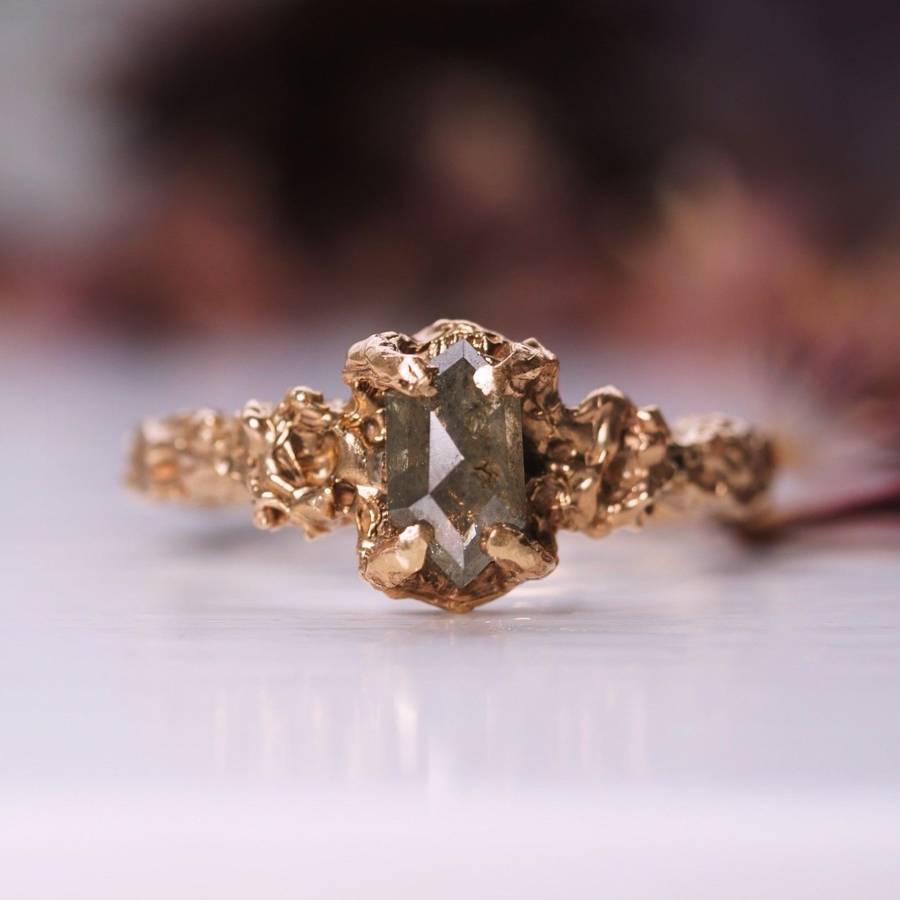
Four prongs? Six prongs? Eight, just to be absolutely sure?
For most engagement rings, four or six prongs is the sweet spot. Four gives you a cleaner, more open look, while six adds a little more security around the centre stone.
But there isn’t a magic number. The best choice depends on your stone’s size and shape, how you want the ring to look and, rather importantly, what you actually do with your hands all day.
What do prongs actually do?
Prongs - sometimes called claws - are the small pieces of metal that grip your diamond or gemstone and hold it in place.
A good prong setting keeps the stone secure while leaving plenty of it visible. It’s one reason prong settings are so popular for solitaire engagement rings.
If you’re still deciding between prongs, bezels, halos and the rest of the jewellery vocabulary soup, our guide to engagement ring settings is a useful place to start.
The Gemological Institute of America (GIA) notes that round brilliant diamonds are commonly held by four or six prongs, with extra prongs generally providing additional security.
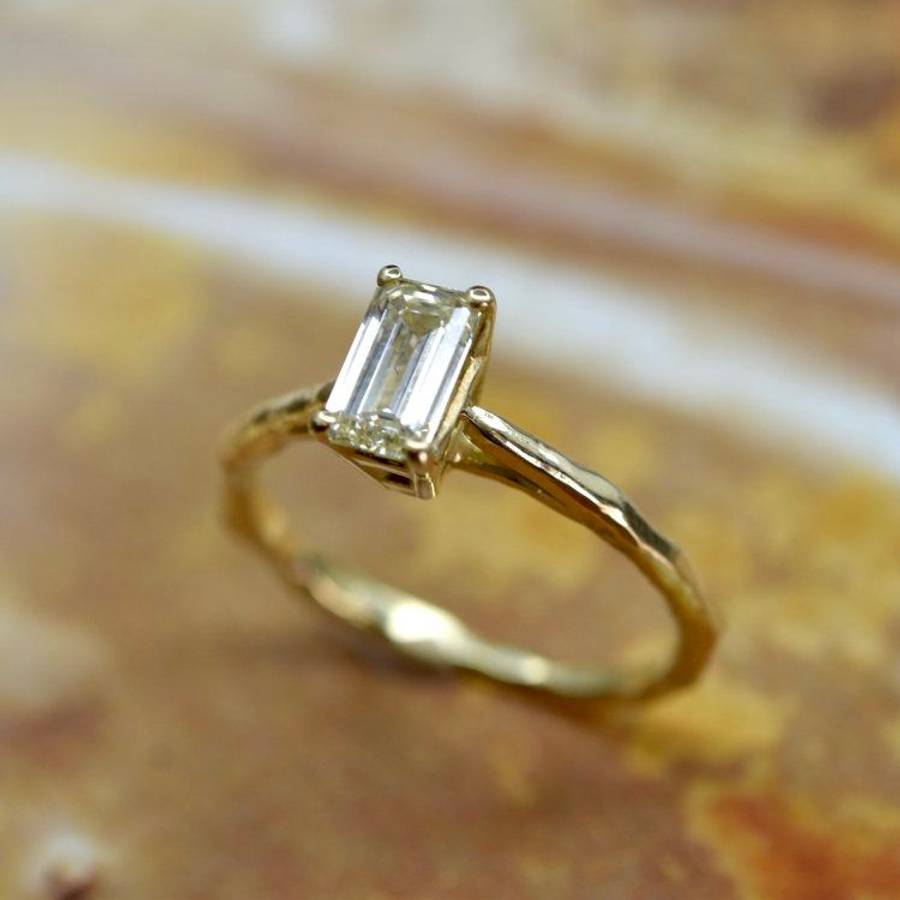
Is a four-prong engagement ring better?
A four-prong engagement ring is ideal if you want the centre stone to feel as open and uncluttered as possible.
With less metal around the diamond, you can see more of its outline. Four prongs can also make a round diamond appear slightly squarer, which some people rather like.
The compromise is security. With only four points holding the stone, losing or badly damaging one prong matters more than it would on a six-prong setting.
One little myth worth dispatching: fewer prongs don't automatically mean a sparklier diamond. GIA's comparison of four vs six prongs points out that a diamond's sparkle is primarily determined by its cut, rather than the number of prongs surrounding it.
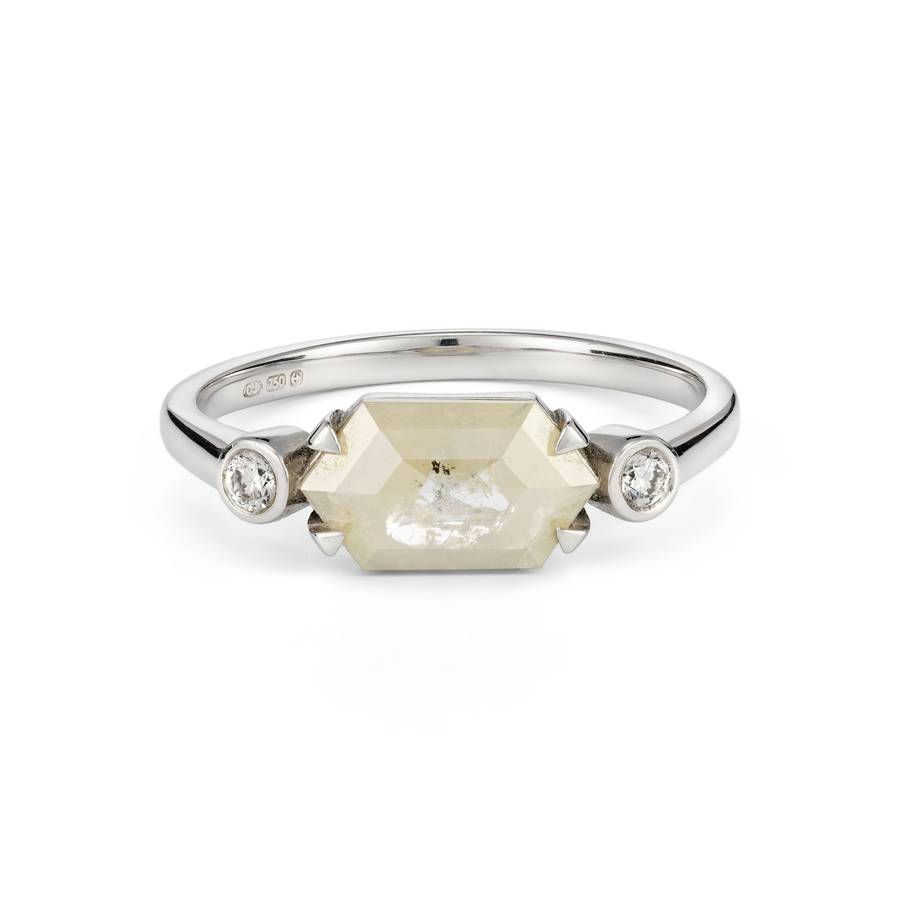
Is a six-prong engagement ring safer?
A six-prong engagement ring gives the stone two additional contact points, so there is more redundancy if one prong becomes damaged. Six prongs can also emphasise the round outline of a round brilliant diamond.
The trade-off is fairly obvious: there's more metal around your stone.
On a particularly small diamond, six chunky prongs can feel visually heavy. A skilled jeweller can make very fine claws, though, so “six prongs” certainly doesn't have to mean “tiny metal fortress”.
Here's the simple comparison:
| Setting | Main benefit | Main limitation |
| 4 prongs | More stone visible; clean, minimal appearance | Slightly less security |
| 6 prongs | Extra security; suits round stones beautifully | More metal around the stone |
| 8+ prongs | Can suit large stones or particular vintage designs | Often visually busier and rarely necessary |
Does the shape of the diamond change how many prongs you need?
Absolutely - and this is where choosing a prong count by numbers alone gets a bit silly.
A pear, marquise or princess-cut stone has vulnerable points or corners that need protecting. The position and style of the claws can therefore matter just as much as how many there are.
The International Gemological Institute highlights the usefulness of protective V-shaped prongs on pointed gemstone shapes, for example.
So if you're commissioning a bespoke engagement ring, this is exactly the sort of detail worth discussing with your jeweller rather than arriving with an unwavering belief that six is always better than four.
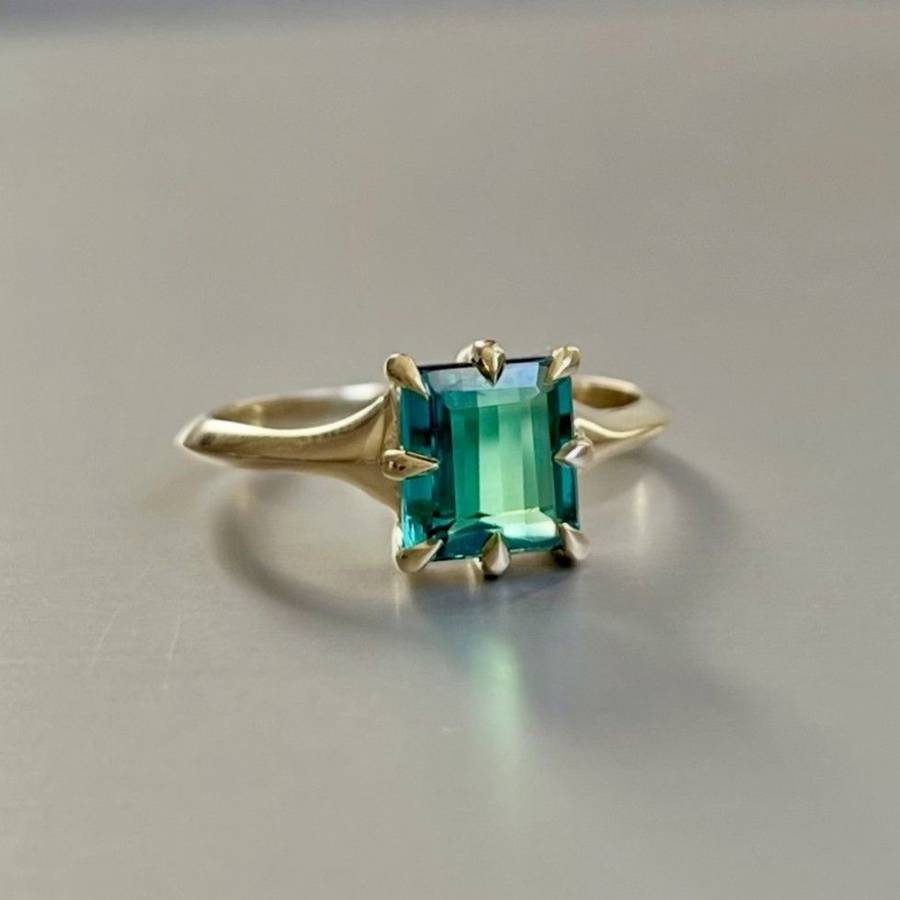
So, how many prongs should you choose?
For most people, we'd boil it down like this:
- Choose four prongs if you love a minimal look and want as little metal as possible around the stone.
- Choose six prongs if everyday security is the priority, particularly with a valuable round centre stone.
- Let the stone dictate the setting if you've chosen a pear, marquise, princess or another unusual shape.
And remember, the number of prongs only helps if those prongs are in good condition. The UK's National Association of Jewellers recommends having jewellery checked professionally for wear and specifically warns that damaged or missing claws can put stones at risk.
If you're someone who wears their ring while gardening, lifting weights, moving furniture and wrestling the duvet cover into submission, have a read of what to avoid when wearing an engagement ring . Our look at how often people actually wear their engagement rings is also reassuring if you're wondering whether taking yours off occasionally is perfectly normal.
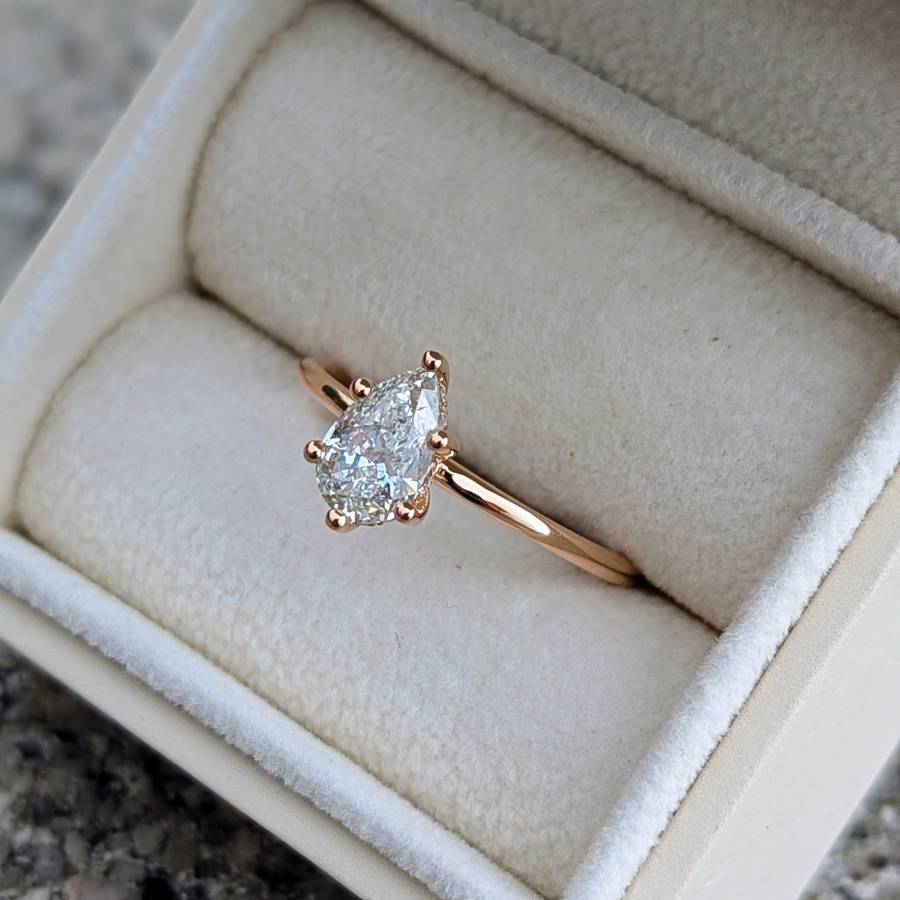
What's the best prong setting for your engagement ring?
There isn't one universally “best” prong setting. There is only the one that balances your stone, your style and your lifestyle.
That's also where going bespoke earns its keep. A good independent jeweller can alter the number, thickness, shape and position of the claws so they protect the stone without looking as though they're trying to steal the limelight.
Table of contents
-
 What do prongs actually do?
 - Is a four-prong engagement ring better?
- Is a six-prong engagement ring safer?
- Does the shape of the diamond change how many prongs you need?
- So, how many prongs should you choose?
- What's the best prong setting for your engagement ring?
About the author
Ethan Ward
Co-founder
Ethan looks after the whole Boutee journey from first click to “yes”, making sure every person is matched with the right independent jeweller and never feels lost along the way. He’s also the champion of our maker community, supporting independent jewellers, building meaningful connections and helping the right connections spark.
Related posts
View all
Should you choose a halo engagement ring?
Explore halo styles (single, double, hidden), metal and gemstone options, UK hallmarking basics, and how to choose the right design.
4 min read 
Engagement Ring Settings: The Pros & Cons of Each
A clear, practical guide to the most popular engagement ring settings, explaining how each one looks, wears, and fits different lifestyles.
4 min read 