
How Not to Lose Your Engagement Ring

 6 min read
 Share this post


Losing an engagement ring usually doesn't happen out of carelessness. Most often it's during a normal moment: washing hands, cooking, going to the gym. Taking it off “just for a second”...
That's why the best way to protect your ring is to keep your routine simple.

Putting your ring down in temporary places, even with good intentions, often leads to it being left behind.
The best rule: move it as little as possible
The more often you take your ring off, the more chances there are to lose it.
For many people, the safest option is to keep it on when they are out of the house, even for hand washing. Soap and water are usually less of a problem than putting the ring down in a public place and forgetting it.
That said, not everyone likes wearing a wet ring. Some people wash their hands very often. Some jobs make ring-wearing awkward or unsuitable. In those cases, you need a system that's easy to follow.
Give your ring very few places to be
This is what helps most. Your ring should only ever be in a small number of places:
- on your finger
- in a fixed spot at home
- in one fixed spot outside the house if you have to remove it
The fewer “temporary” places you use, the safer the ring is.
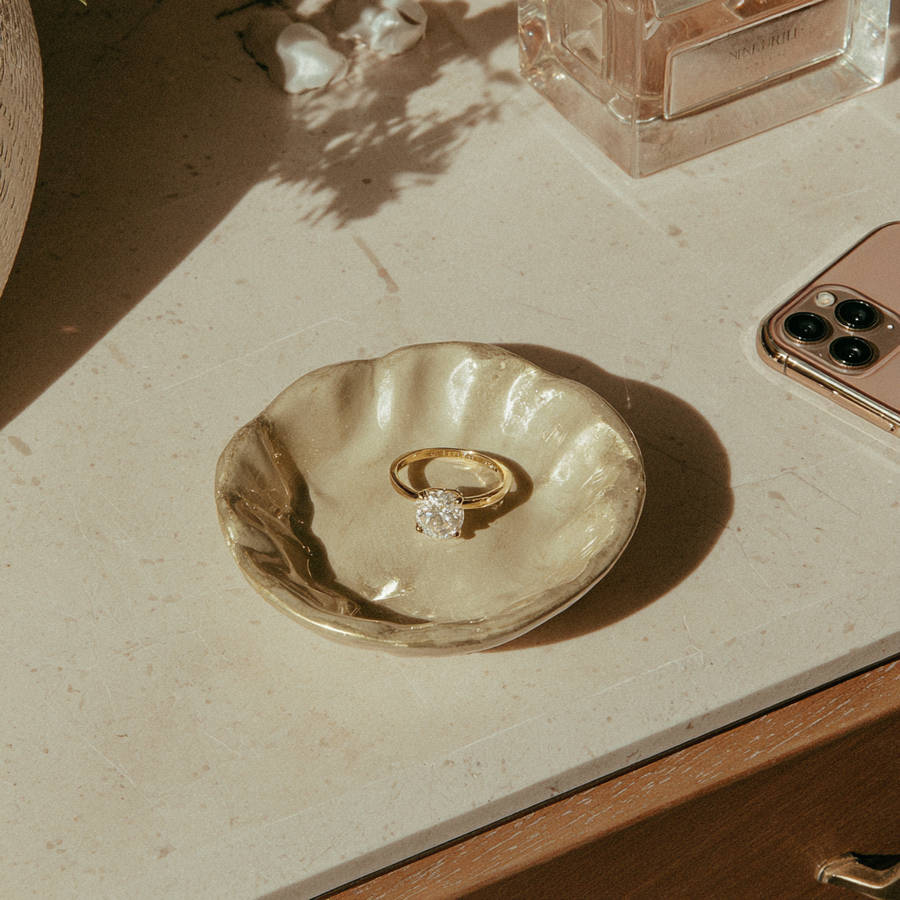
At home, having one fixed place for your ring makes it easy to build a habit and always know exactly where it is.
Keep home storage simple
At home, a ring dish or ring box near the sink or bedside table is usually enough.
Some people also keep one in the kitchen if they remove their ring for cooking or washing up. That can work well, as long as those are the only places the ring goes.
The key is using the same place every time.
Should you take it off in public?
If possible, no.
A lot of rings are lost in public bathrooms, on gym counters, in pockets, in handbags or on sinks. If you don't need to remove it, leaving it on is the safer choice.
If you know you're going to do something that is hard on your ring, it's better to leave it at home before you go out.

Taking your ring off in public places, even briefly, creates an easy moment to forget it and walk away without noticing.
When a ring holder necklace makes sense
A ring holder necklace can be useful if you regularly need to remove your ring during the day.
This can make sense for work, gloves, hygiene rules, hands-on tasks, or if you really dislike hand washing with a ring on.
The main benefit is simple: the ring stays on your body instead of being placed on a random surface.
Are ring holder necklaces safe?
They can be, but they're not foolproof.
A good necklace works best when it is part of a routine:
- You wear it on the days you wear the ring.
- You use it for short periods when needed.
- You still have a proper place for the ring at home.
It's also worth checking the chain, clasp and links now and then. The holder itself may be secure, but the necklace is only as safe as its weakest part.
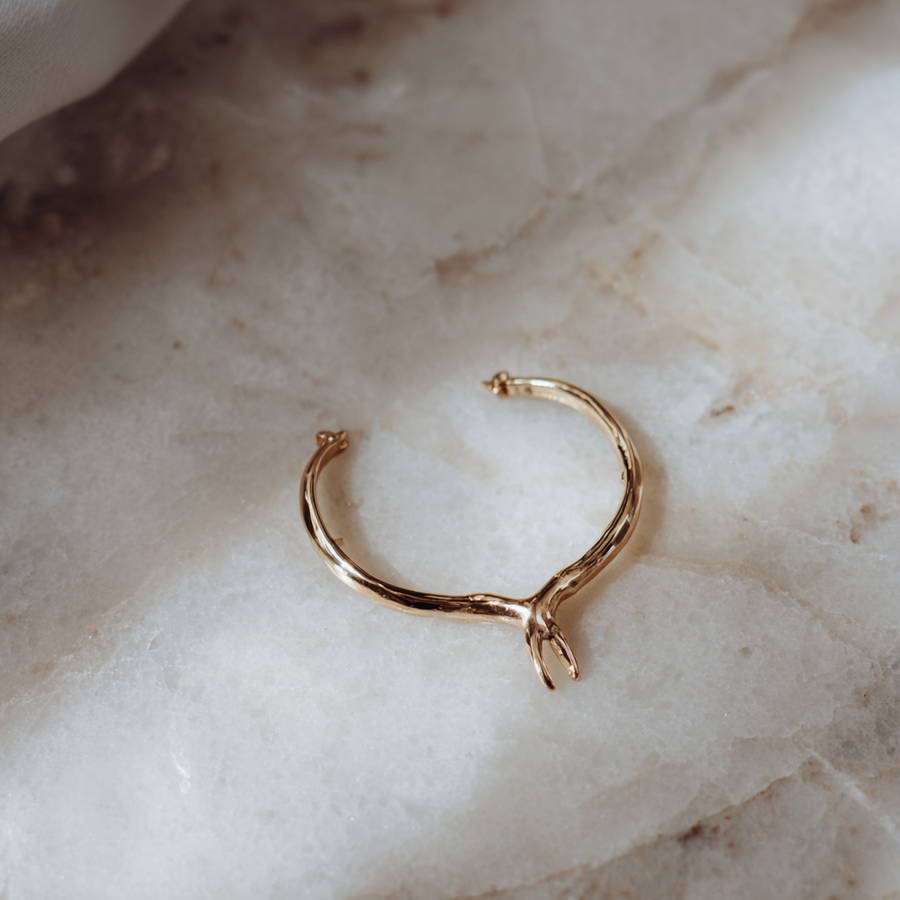
A ring holder necklace can work well if you need to remove your ring during the day, as it gives it one consistent place instead of setting it down somewhere random.
Wishbone or carabiner: which is better?
It depends on what matters more to you.
| Type | Best for | Pros | Cons |
| Wishbone holder | Frequent use | Quick and easy to take ring on and off | May feel less secure to some people |
| Carabiner or clip holder | Extra peace of mind | Feels more closed and secure | Can be slower and more fiddly |
If you take your ring off several times a day, ease of use matters. If you're more worried about the ring slipping off, a clip style may feel better.
Neither is automatically better. The right one is the one you'll actually use properly!
Think about the chain too
This part matters!
When your ring is on a necklace, you're trusting the holder, the chain, the clasp and the links. So don't just choose the holder shape. Make sure the whole necklace feels strong and well made.
Some people feel more nervous about a necklace because they are less likely to notice if something breaks, which is a fair concern.
If you use one often, have it checked from time to time.

Worry about losing your ring usually comes from not having a clear, consistent system for where it should go when it is not on your finger.
What if you hate washing your hands with a ring on?
That's fine - you do not need to force yourself to like it.
Some people don't mind it. Others really do. The best advice is to build a routine around what you know you'll stick to.
That might mean:
At home: Use one ring dish and nowhere else.
At work: Use one ring holder necklace, locker box or zipped pouch.
For the gym or practical tasks: Leave the ring at home and wear a plain band instead. Boutee’s guide to plain band engagement rings is a useful starting point.
A few small things that help
Make sure the ring fits properly. A ring that spins or feels loose will always feel riskier. If that is the issue, ring sizing beads may help.
Clean it regularly. If you keep your ring on more often, it'll pick up soap and lotion. That's normal. Boutee’s guide to caring for your gold jewellery covers the basics.
Know when not to wear it. Some activities are hard on rings. Heavy lifting, gardening, messy cooking, climbing and anything with chemicals or impact can all be rough on the setting. Boutee’s guide to what to avoid when wearing an engagement ring explains more.
Insure it. Insurance is sensible. It doesn't stop loss, but it does reduce the financial stress if something does happen.

For most people, the safest and simplest option is to keep the ring on as much as possible rather than taking it on and off throughout the day.
The simplest answer
For most people, the best way not to lose an engagement ring is this:
- Wear it whenever you can.
- Do not take it off in random places.
- Give it one fixed place at home.
- If you need to remove it outside the house, use one dedicated holder and use it every time.
The best system isn't the most clever one; it's the one with the fewest chances for the ring to go missing!
FAQ
Is it safe to wash your hands with an engagement ring on?
Usually, yes. For many people, the bigger risk is taking it off in a public place and forgetting it. The ring may need cleaning more often, but that's manageable.
Are ring holder necklaces worth it?
They can be, especially if you need to remove your ring during the day for work or comfort. They're most useful when they are part of a consistent routine.
Which is safer: wishbone or carabiner?
Neither is always safer. Wishbone holders are easier to use quickly. Carabiner styles can feel more secure. The better option is the one that fits your routine.
Should I keep my ring in my pocket?
Only if it is in a secure pouch and that is your usual system. A loose pocket is easy to forget.
What is the safest place to store a ring at home?
A ring dish, box or holder in one fixed place you use every time.
What if I wash my hands very often or feel uncomfortable wearing a wet ring?
Build your system around that. A ring holder necklace, locker box or zipped pouch may suit you better. If contamination fears or compulsive washing affect daily life more broadly, the NHS page on OCD may be useful.
Table of contents
-
 The best rule: move it as little as possible
 - Give your ring very few places to be
- Keep home storage simple
- Should you take it off in public?
- When a ring holder necklace makes sense
- Are ring holder necklaces safe?
- Wishbone or carabiner: which is better?
- Think about the chain too
- What if you hate washing your hands with a ring on?
- A few small things that help
- The simplest answer
- FAQ
About the author
Billy Ward
Co-founder
Billy co-founded Boutee to help couples skip the high-street hard sell and work directly with independent UK jewellers. He now leads product and partnerships, obsessing over how to make the bespoke ring journey as simple, transparent and stress-free as possible.
Related posts
View all
Caring for Your Gold Jewellery: A Practical Guide to Keeping It Beautiful for Years
Learn how to care for gold jewellery, prevent scratches and tarnish, and decide when to seek professional cleaning
6 min read 
Diamond FOMO After Choosing Another Gemstone? Here’s What It Really Means
Why diamond FOMO is normal - and what to do with it.
6 min read 
10 Awkward Engagement Ring Questions People Secretly Google
Secretly Googling awkward engagement ring questions? This ones for you!
6 min read