
What Metal Is Best For Your Engagement Ring?

 8 min read
 Share this post


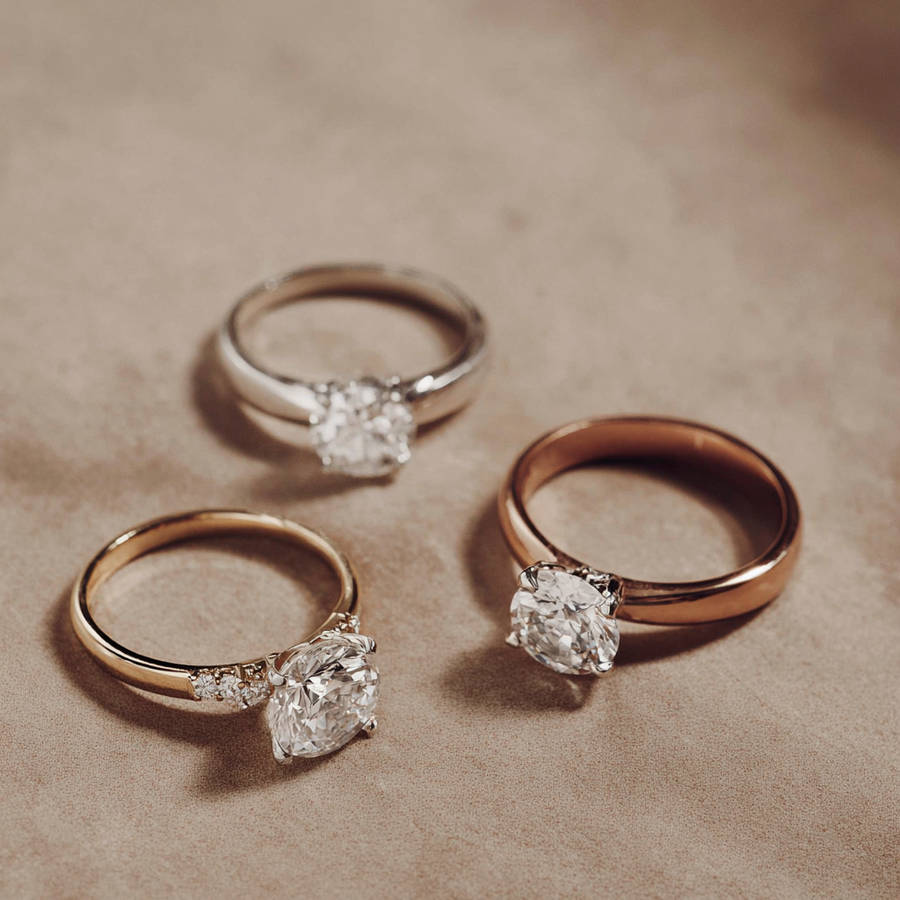
Choosing an engagement ring metal sounds simple until you realise you’re basically picking the “daily shoes” of the jewellery world: it has to look good, feel good, and survive real life (washing up included).
The best metal for an engagement ring depends on three things: how you live, how you want it to look, and how much ongoing fuss you’re willing to tolerate. Below is a practical, UK-friendly guide to the most popular options – gold, platinum and a few modern contenders – so you can choose confidently (and avoid buying something that annoys you by Tuesday).
What should you consider before choosing a ring metal?
Colour and vibe matters. Yellow gold feels classic, white metals feel crisp and modern, and rose gold leans warm and romantic.
Durability is about dents as much as scratches. Some metals scratch easily but stay structurally sound; others resist scratches but can be harder to repair.
Maintenance is real. Some metals need periodic replating or polishing; others age with a patina you may either love… or immediately book in to remove.
Resizing can save you later. Fingers change with time, weather, and life. If resizing flexibility matters, keep it in the brief.
Skin sensitivity is more common than people think. If you react to certain alloys (often nickel), that can steer you towards specific metals.
Is gold a good choice for an engagement ring?
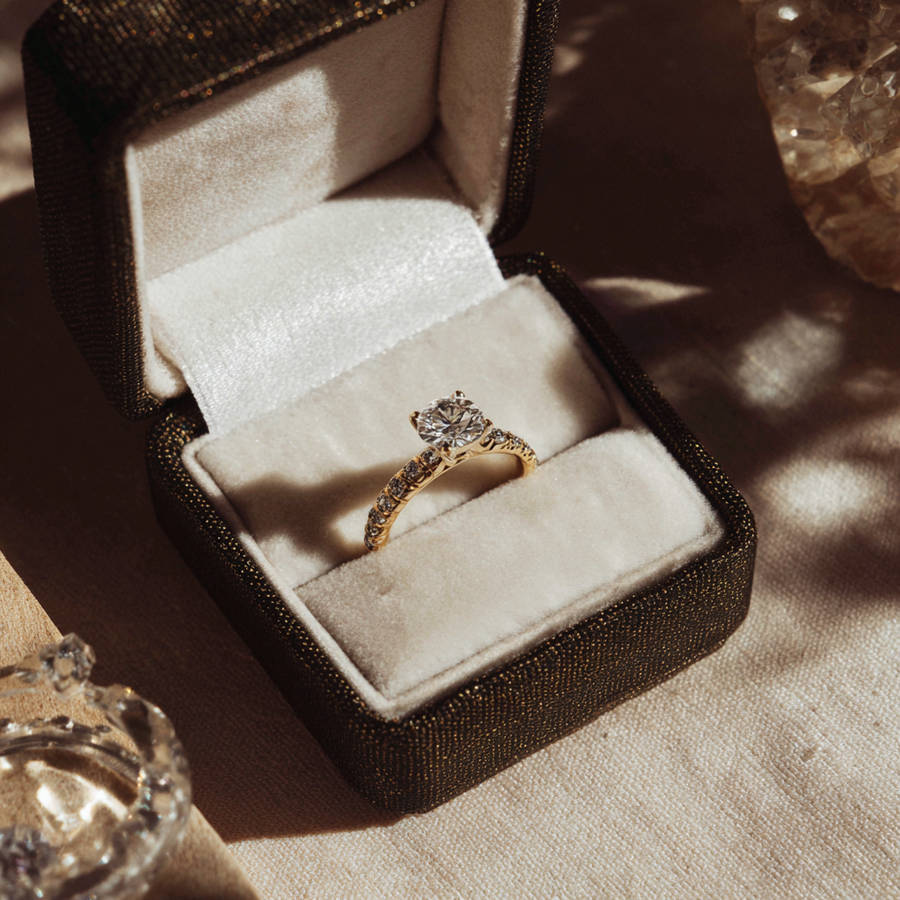
Gold is the classic for a reason: it’s timeless, workable for jewellers, and usually easy to resize.
The key choice is the karat (purity). Pure 24k gold is very soft, so most engagement rings use alloys such as 18k (75% gold) or 14k (58.3% gold)—and in the UK you’ll also commonly see 9ct (37.5% gold). Lower karat gold tends to be tougher for day-to-day wear, while higher karat has a richer colour.
What about white gold? White gold is gold mixed with paler metals, and it’s commonly finished with rhodium plating for a brighter white surface. Rhodium plating can wear gradually over time, so occasional replating is normal maintenance for many white gold rings.
If you’re debating colours, our guide to yellow, white and rose gold is a handy next read.
And if you’re the “tell me what it costs up front” type, buying an engagement ring on a budget will help you choose a metal that won’t sting later.
Is platinum worth it for everyday wear?
Platinum is a brilliant choice if you want a naturally white metal that feels substantial and is typically hypoallergenic.
In jewellery, you’ll often see platinum marked as Pt950 (950 parts per thousand) or similar. Platinum is dense and strong, which is why jewellers often like it for settings and prongs – especially when you want a secure home for your stone.
One thing people don’t always realise: platinum can develop a soft, satiny “patina” over time. Some people adore that lived-in glow; others prefer a quick polish now and then.
If you’re weighing up white metals, you’ll like our deep dive on white gold vs platinum.
And if you’re wondering whether a few scuffs are the end of the world (they aren’t), this guide is reassuring.

Should you consider palladium as a platinum alternative?
Palladium is the slightly under-the-radar cousin of platinum: naturally white, light on the hand, and generally low maintenance.
Palladium is part of the platinum group of metals and is commonly used as an alternative if you want a similar look without the heavier feel. It’s also known for being hypoallergenic and not prone to tarnish.
The trade-off is practical: palladium can be less widely offered than platinum, and repairs/resizing may depend on whether your chosen jeweller works with it regularly. (Some do; some would rather not, and that’s worth knowing up front.)
Is sterling silver suitable for an engagement ring?
Sterling silver is gorgeous and budget-friendly, but it’s not the first pick for a forever ring that’s worn daily.
Sterling silver is an alloy of 925 parts silver (often stamped “925”), and it’s softer than other popular engagement ring metals – meaning it can scratch and show wear more quickly. It also tarnishes over time (polishable, but still a thing).
Silver can work well for:
- a temporary ring while a bespoke design is being made,
- a travel ring, or
- a look you love, as long as you’re realistic about upkeep.

Is titanium a good metal for an engagement ring?
Titanium is lightweight, strong, and very “modern minimalist”.
The big practical note: titanium rings can be difficult to resize compared with gold or platinum, and many people treat them as “choose your size carefully and stick with it” rings.
Titanium can be great if you want:
- a light feel,
- a clean, contemporary look,
- and you’re confident about sizing (or the design allows sizing solutions later).
Is tungsten a smart choice—or a risky one?
Tungsten carbide rings are famous for holding a polish and resisting scratches, often at a friendly price.
But tungsten’s superpower is also its downside: it’s very hard and therefore can be brittle under a sharp impact, and it’s generally not resizable. That makes it best for simple bands rather than intricate designs you might want to alter years later.
Why does UK hallmarking matter when choosing a ring metal?
In the UK, hallmarking is a legal consumer protection: it confirms the precious metal content and which Assay Office tested it.
If an item is described as gold/silver/platinum/palladium and it’s above the minimum weight thresholds, it generally needs a hallmark - gold 1g, silver 7.78g, platinum 0.5g, palladium 1g.
If you want a simple, no-nonsense guide to reading those little stamps, our hallmarking guide is here.
(And if you’re the sort of person who enjoys a “proper” reference, the official guidance is here.

Which engagement ring metal is best for sensitive skin?
If you’ve ever reacted to earrings, watch backs, or cheap rings, don’t ignore it - metal allergies are common, and nickel is a frequent culprit.
Some white gold alloys can contain nickel, and people who are sensitive to nickel may want to steer towards platinum, palladium, or higher-karat yellow gold instead.
If you want a reputable explainer on nickel allergy (and how to avoid flare-ups), this is useful.
How do you care for an engagement ring metal?
A good rule: if it touches bleach, chlorine, or abrasive cleaners, it probably doesn’t belong near your ring.
A simple at-home clean:
1. Soak in warm water + mild washing-up liquid.
2. Use a soft toothbrush gently around the setting (especially underneath).
3. Rinse well, dry with a soft cloth.
This basic method is widely recommended because it’s effective without being harsh.
For day-to-day protection, it also helps to take your ring off for gym sessions, gardening, heavy DIY, and swimming - our “what not to do” guide makes that easy to remember.
And if you’re going gold, here’s the dedicated care guide .

So… what metal is best for your engagement ring?
If you want the simplest, safest “most people are happy with this” choice: 18k or 14k gold (or 9ct in the UK if budget and toughness are top priorities).
If you want a naturally white metal that’s strong and low drama: platinum.
If you want the white-metal look with a lighter feel: palladium.
If you want modern, minimalist, and super low maintenance (and you’re confident on size): titanium or tungsten.
If you want the look on a tight budget (or a placeholder while bespoke happens): sterling silver, with realistic expectations.
And if you want help choosing a metal that suits the design you’re dreaming of, it’s worth skimming our guide to engagement ring settings too—because the setting style can influence which metals make the most sense.
FAQ
Should engagement rings be silver or gold?
Gold is usually the better everyday choice: tougher, easier to maintain, and available in yellow/white/rose. Silver is cheaper, but it scratches and tarnishes more.
What is the most expensive metal for engagement rings?
Usually platinum—it’s rarer, denser, and tends to cost more than gold.
What should an engagement ring be made of?
Pick what matches your lifestyle and budget: gold or platinum for classic durability, palladium for a lighter white metal, or titanium/tungsten for modern, hard-wearing bands.
What is the most scratch-resistant metal in a ring?
Tungsten carbide is one of the most scratch-resistant options.
What is the best metal for everyday wear rings?
Platinum or 14k/18k gold—both handle daily life well, and gold is usually easier to resize.
What ring metal lasts the longest?
Platinum is a top choice for longevity because it’s dense, hard-wearing, and holds up brilliantly over time.
Table of contents
-
 What should you consider before choosing a ring metal?
 - Is gold a good choice for an engagement ring?
- Is platinum worth it for everyday wear?
- Should you consider palladium as a platinum alternative?
- Is sterling silver suitable for an engagement ring?
- Is titanium a good metal for an engagement ring?
- Is tungsten a smart choice—or a risky one?
- Why does UK hallmarking matter when choosing a ring metal?
- Which engagement ring metal is best for sensitive skin?
- How do you care for an engagement ring metal?
- So… what metal is best for your engagement ring?
- FAQ
About the author
Ethan Ward
Co-founder
Ethan looks after the whole Boutee journey from first click to “yes”, making sure every person is matched with the right independent jeweller and never feels lost along the way. He’s also the champion of our maker community, supporting independent jewellers, building meaningful connections and helping the right connections spark.
Related posts
View all
Should you choose a halo engagement ring?
Explore halo styles (single, double, hidden), metal and gemstone options, UK hallmarking basics, and how to choose the right design.
8 min read 
Engagement Ring Settings: The Pros & Cons of Each
A clear, practical guide to the most popular engagement ring settings, explaining how each one looks, wears, and fits different lifestyles.
8 min read 