
White Gold vs Platinum: Which Metal Is Best for Your Engagement Ring?

 8 min read
 Share this post


White gold and platinum are the two usual suspects when you want that clean, silvery-white look for an engagement ring.
They can look very similar on day one, but they behave quite differently once you start living in them (washing up, gym, commuting, nervously fiddling with your ring during meetings… you know the drill).
This guide breaks down the real-world differences - durability, maintenance, allergies, weight and long-term cost - so you can choose the metal that fits your life, not just your Pinterest board.
If you’re also weighing up other metals, you might like What metal is best for your engagement ring? and Yellow, white and rose gold: which is best for you? .

At-a-glance: white gold vs platinum (the bits that actually matter)
| Feature | White Gold | Platinum |
| What is it? | Gold mixed with other metals (an alloy), usually finished with rhodium plating for a bright white look. | Naturally white metal, commonly 950 platinum in jewellery (high purity), no plating needed. |
| Colour over time | Stays bright while plated; can look slightly warmer/yellower as plating wears. | Develops a soft patina (a satin sheen) with wear; can be polished back to bright. |
| How it wears | Scratches can remove tiny amounts of metal over time. | Scratches tend to displace metal rather than remove it, helping it keep its “bulk”. |
| Upkeep | Likely needs re-plating every so often, depending on wear. | Usually just occasional polishing/cleaning (patina is optional). |
| Skin sensitivity | Can irritate if it contains nickel and the plating wears (not always the case—ask your jeweller). | Generally hypoallergenic thanks to high purity. |
| Weight | Lighter on the hand. | Denser, feels noticeably heavier. |
| Cost | Often cheaper upfront, but consider re-plating over the years. | Often higher upfront, but lower maintenance costs long term. |
Why do white gold and platinum look so similar at first?
White gold gets its “bright white” look largely from rhodium plating.
Rhodium is part of the platinum family and it’s used to create that crisp, mirror-like finish people often associate with “white” jewellery. The Gemological Institute of America explains that white gold is frequently rhodium-plated, which is why it can be hard to tell apart from other white metals by eye alone.
Platinum is naturally white.
That means it doesn’t rely on a surface coating to look the part. If you want a white metal that stays white without periodic re-finishing, platinum starts with an advantage.
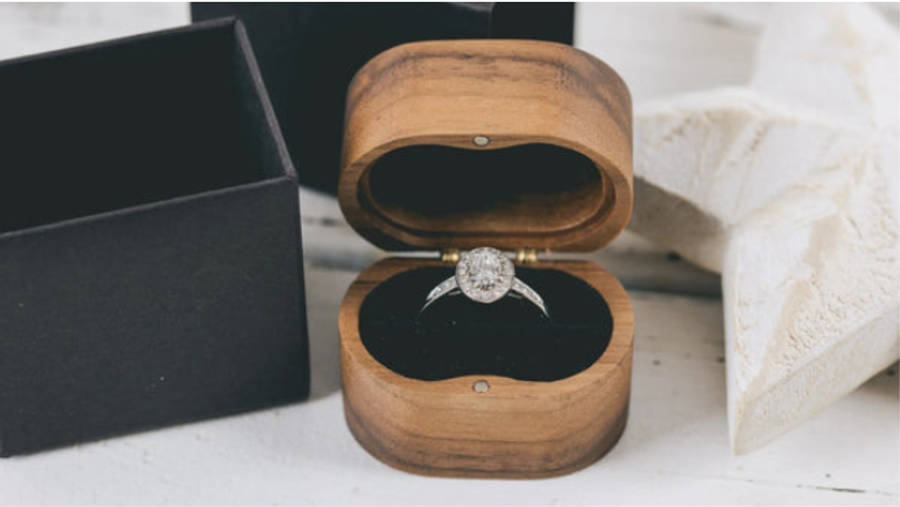
White gold oval halo by Jodie Gearing
What’s the real difference in composition (and why should you care)?
White gold is an alloy, not a pure metal.
Pure gold is yellow, so jewellers mix it with other metals (like palladium, silver, or sometimes nickel) to shift the colour lighter and improve strength. In the UK, you’ll also see different gold purities, 9ct (375) and 18ct (750) are common - and the hallmark tells you what you’re buying.
Platinum jewellery is typically very high purity.
In the UK, “platinum” is commonly marked 950, meaning 95% platinum. Hallmarking guidance explains how precious-metal descriptions and fineness standards work in law, and why hallmarks matter for consumer protection.
If hallmarks are still a mystery (they’re tiny and not exactly reader-friendly), Your guide to hallmarking is a helpful refresher.
Which metal is more durable for everyday wear?
Platinum is the “stays solid over time” option.
Platinum is famously durable, but not because it never gets scratched. The difference is what happens when it does. With platinum, scratches usually mean the metal gets pushed slightly to the side rather than rubbed away (imagine pressing a finger into soft clay: the clay moves, but it doesn’t disappear).
Over time, lots of these tiny marks create a soft, satiny finish called a patina. Some people love that more “lived-in”, vintage look; others prefer a brighter shine and simply get it polished occasionally. Either way, platinum tends to hold onto its thickness over the years, which is one reason many jewellers like it for settings that need to stay secure long-term.
White gold is tough, but it wears a little differently
White gold is also a strong, practical choice - but everyday knocks and friction tend to remove tiny amounts of metal rather than just shifting it around. That doesn’t mean it’s fragile (far from it), but it can gradually wear thinner in high-contact spots over many years.
On top of that, most white gold is finished with rhodium plating to give it that crisp, bright-white look. As the plating wears down, the ring can start to look slightly warmer in tone, which is why some people choose to re-plate it now and then. If you’re hard on your hands (DIY, climbing, gym kit, healthcare work, cleaning — real life, basically), it’s just useful to know white gold may show that wear and colour change sooner than platinum.
If you’re someone who embraces the signs of a well-loved ring, you’ll enjoy Embracing marks and scratches on your engagement ring .

How much maintenance can you realistically be bothered with?
White gold often means planned upkeep.
As rhodium plating wears, the underlying alloy can look slightly warmer. Many people simply pop their ring in for re-plating when it starts to bother them, and it comes back looking freshly minted.
Platinum is lower-maintenance, but not “no changes ever”.
Platinum develops a patina with wear. Some people love that softer, vintage look. Others prefer a high shine and polish it occasionally.
This is one of those “be honest with yourself” moments. If you’re the sort of person who never gets new shoes until there’s a toe poking out, platinum may suit your maintenance personality.
Is either metal better for sensitive skin?
Platinum is the safer bet if you’re prone to irritation.
Because platinum jewellery is typically high purity, it’s widely considered a good option for sensitive skin. Allergy UK notes platinum is usually a safe alternative for jewellery if nickel is a problem.
White gold depends on the alloy mix.
Some white gold contains nickel, which can trigger allergic contact dermatitis in sensitive people.
If you love the look of white gold but have sensitive skin, ask your jeweller for nickel-free white gold (often palladium-based) and confirm how often you might need re-plating.

Does the weight of platinum actually feel different?
Yes—platinum is denser, so it often feels more substantial on the finger. That can feel reassuring and “premium” to some people.
To others, it’s just… heavier. If you don’t normally wear jewellery, that extra heft is worth trying on before you commit.
Which is better value: white gold or platinum?
Upfront cost and lifetime cost aren’t the same thing.
White gold is often less expensive initially, but re-plating over the years is a real (though usually manageable) ongoing cost. Platinum is often pricier upfront, but it doesn’t need plating, and many people find it simpler to live with long term.
If you’re budgeting carefully, this pairs well with Buying an engagement ring on a budget .

So… which one should you choose?
Choose white gold if you want:
- A bright, reflective white finish (especially when newly plated).
- A lighter ring (great for chunkier designs).
- A lower upfront cost, and you don’t mind occasional maintenance.
Choose platinum if you want:
- A naturally white metal with minimal fuss.
- A great option for sensitive skin.
- A metal that wears in a way many people associate with “heirloom” longevity.
Your setting matters too, because some designs protect the metal (and stones) better than others. If you’re weighing prongs, bezels, halos and the rest, read Engagement ring settings: the pros & cons .
Quick checklist: decide in 30 seconds
- Do you have sensitive skin? → lean platinum (or nickel-free white gold).
- Do you want “set and forget”? → platinum.
- Do you love a bright, crisp white shine? → white gold (with re-plating).
- Are you tough on your hands? → platinum is often the sturdier long-haul pick.
- Does weight bother you? → try both; platinum can feel noticeably heavier.

A sensible next step (that isn’t just “stare at photos for three more weeks”)
If you’re still torn, the easiest thing is to talk it through with an independent jeweller who can show you both metals side-by-side and explain what suits your design and lifestyle.
That’s exactly what Boutee is built for: matching you with a jeweller whose style fits your brief - whether you’re imagining sleek platinum minimalism or a white gold halo with sparkle for days.
FAQs
Can you visually tell the difference between white gold and platinum?
Not easily when both are freshly polished, because white gold is often rhodium-plated to look very bright white.
Over time, platinum may develop a soft patina, while white gold may look slightly warmer if the plating wears.
Is platinum always more expensive than white gold?
Not always. Market prices move, and alloy choices (like palladium-based white gold) can affect cost. The more useful comparison is upfront price + maintenance over the years.
How often does white gold need re-plating?
It depends on how you wear it and how thick the plating is. If you wear your ring daily and you’re hard on your hands, you may want it refreshed more often.
Is platinum hypoallergenic?
Platinum is generally considered hypoallergenic because jewellery is usually very high purity, and it’s often recommended for people who react to nickel.
Table of contents
-
 At-a-glance: white gold vs platinum (the bits that actually matter)
 - Why do white gold and platinum look so similar at first?
- What’s the real difference in composition (and why should you care)?
- Which metal is more durable for everyday wear?
- How much maintenance can you realistically be bothered with?
- Is either metal better for sensitive skin?
- Does the weight of platinum actually feel different?
- Which is better value: white gold or platinum?
- So… which one should you choose?
- Quick checklist: decide in 30 seconds
- A sensible next step (that isn’t just “stare at photos for three more weeks”)
- FAQs
About the author
Rachel Norris
Ring Specialist
Rachel is passionate about demystifying engagement rings. She writes practical guides that help people understand the process and feel confident taking the first step on a bespoke journey.
Related posts
View all
Should you choose a halo engagement ring?
Explore halo styles (single, double, hidden), metal and gemstone options, UK hallmarking basics, and how to choose the right design.
8 min read 
Engagement Ring Settings: The Pros & Cons of Each
A clear, practical guide to the most popular engagement ring settings, explaining how each one looks, wears, and fits different lifestyles.
8 min read 