
Yellow, White or Rose Gold: Which Is Best for You?

 5 min read
 Share this post


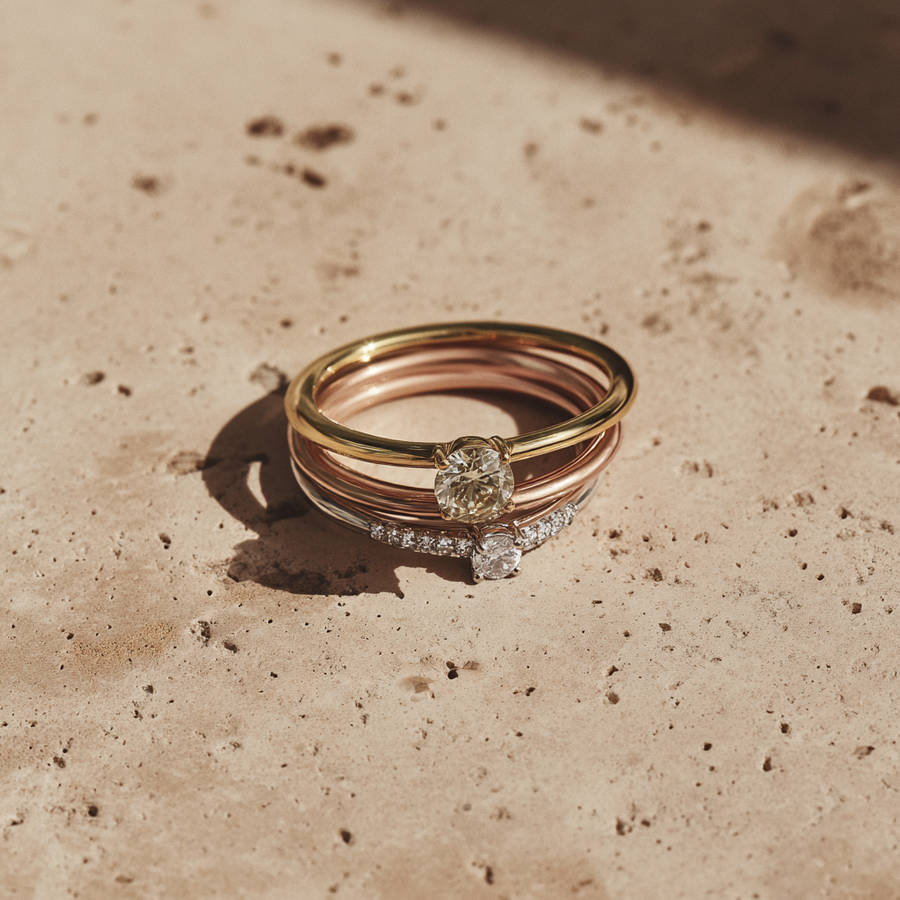
Gold is gold, right? Wrong there are actually three different colours of gold that jewellery can be made out of. Yellow, white and rose gold all start life as the same precious metal, yet each looks, behaves and ages in its own way.
Whether you’re choosing an engagement ring, upgrading a well-loved piece, or simply curious, this guide walks you through what each gold type is made of, how it wears over time, and who it suits best.

What’s the difference between yellow, white and rose gold?
Pure gold is naturally soft and bright yellow, so it’s mixed with other metals (called alloys) to make it durable enough for everyday wear. The type and amount of alloy determines both the colour and strength of the finished jewellery.
The karat (9k, 14k, 18k) tells you how much actual gold is in the mix - not the colour.
Why choose yellow gold?
Yellow gold is the classic choice - the one your grandparents wore, and their grandparents before them.
What is yellow gold made from?
Yellow gold is created by mixing pure gold with silver and copper, these compliment the natural colour from the gold. The result is a warm, rich colour that stays true over time.
Pros of yellow gold
- Timeless and traditional
- Naturally hypoallergenic
- Easy to resize and repair
- Retains its value well
- Complements warmer and deeper skin tones beautifully
Cons of yellow gold
- Softer than other gold alloys and therefore, more prone to surface scratches
- Needs occasional polishing to stay bright

Is yellow gold good for engagement rings?
Absolutely - especially if you love heritage design or want something that feels timeless. Yellow gold is wonderfully workable, making it ideal for bespoke designs and future resizing.
If you don’t mind a few gentle signs of wear (which many people see as character), yellow gold is a reassuring, forever kind of choice. Read more here on embracing marks and scratches on your engagement ring.
Why choose white gold?
White gold has a crisp, contemporary look that pairs effortlessly with diamonds and modern settings.
What is white gold made from?
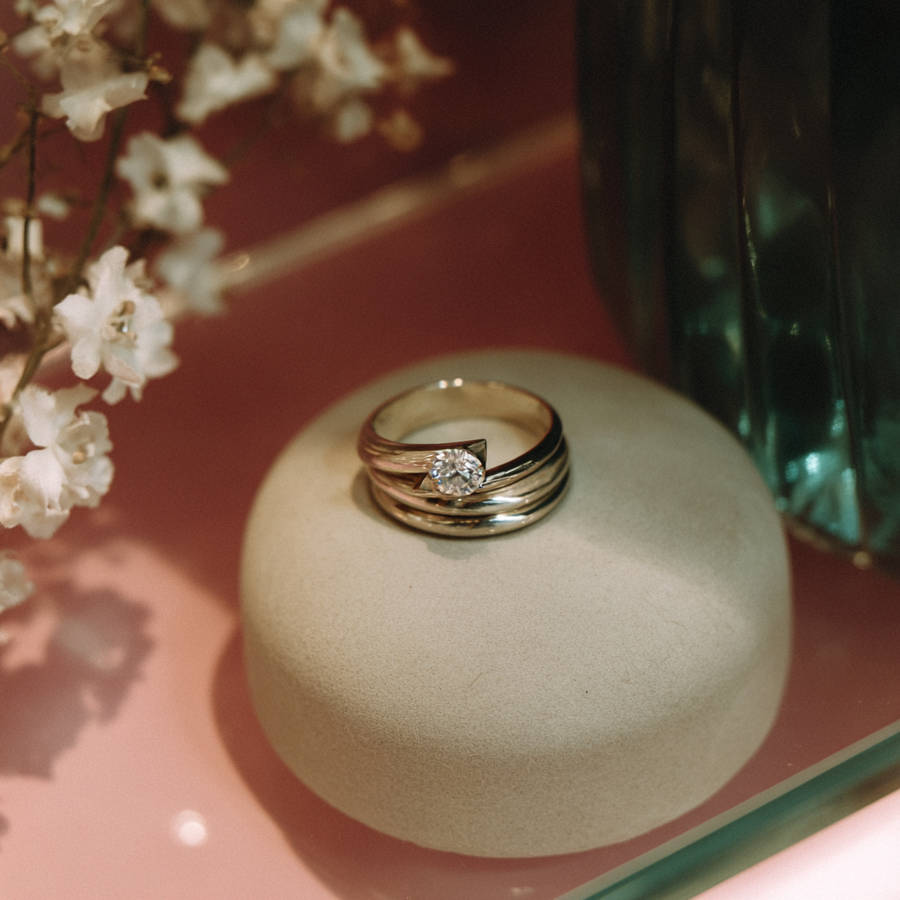
White gold is an alloy of gold mixed with metals such as palladium or nickel, then coated in rhodium to give it that bright white finish.
Pros of white gold
- Stronger and more scratch-resistant than yellow gold
- Sleek, modern appearance
- Makes diamonds look brighter
- Generally more affordable than platinum
Cons of white gold
- Rhodium plating wears down over time
- Needs re-plating every few years
- May cause skin irritation if it contains nickel
- More complex to resize
Is white gold high maintenance?
A little. If you’re happy with the occasional trip to the jeweller for re-plating, white gold rewards you with a sharp, polished look that never feels dated.
Why choose rose gold?
Rose gold has a quiet confidence about it - romantic, warm, and just a little unconventional.
What is rose gold made from?
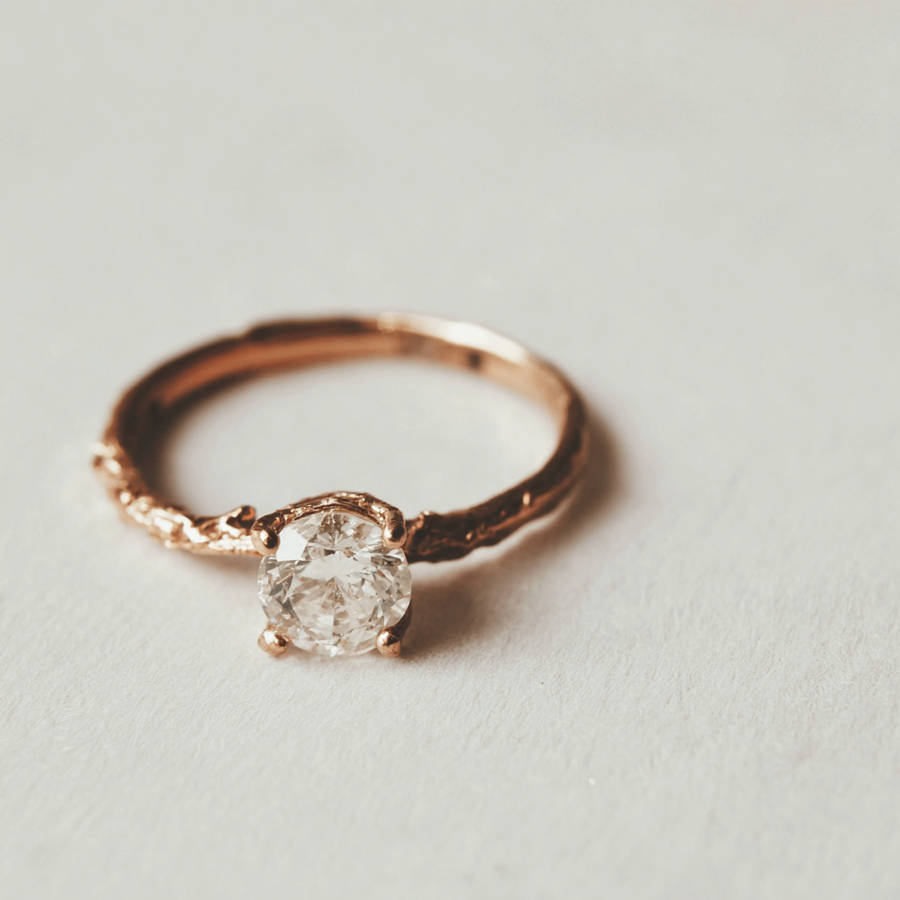
Rose gold is gold mixed with a higher proportion of copper, giving it its signature pink blush.
Pros of rose gold
- Durable thanks to copper content
- Naturally coloured (no plating required)
- Romantic, vintage-inspired aesthetic
- Flatters most skin tones
Cons of rose gold
- Copper may irritate very sensitive skin
- Distinct colour can clash with other jewellery
- Less traditional for engagement rings
Is rose gold just a trend?
It’s had its fashionable moments, but rose gold has existed for centuries. If you love its warmth now, you’re unlikely to fall out of love with it later - especially in thoughtfully designed pieces and if it compliments your other jewellery.
Which type of gold lasts the longest?
From a durability standpoint:
- Rose gold is the strongest (thanks to copper)
- White gold is durable but requires maintenance
- Yellow gold is softer but easiest to repair
Longevity isn’t just about hardness - it’s also about how easy a metal is to maintain over decades, and how your ring fits into your lifestyle. Here we've got a guide on what you should avoid doing when wearing your engagement ring.

Quick comparison: yellow vs white vs rose gold
| Gold Type | Composition | Strengths | Drawbacks | Best For |
| Yellow Gold | Gold + silver & copper | Timeless, hypoallergenic, easy to resize | Scratches more easily | Classic styles, heirloom pieces |
| White Gold | Gold + white metals + rhodium | Modern, durable, diamond-friendly | Needs re-plating | Minimalist or contemporary designs |
| Rose Gold | Gold + copper | Strong, romantic, unique | Colour may not suit everyone | Vintage or alternative styles |
What is gold-plated jewellery?
Gold-plated jewellery is not solid gold. Instead, a thin layer of gold is electroplated over a base metal such as brass or silver.
Is gold-plated jewellery worth it?
For occasional wear or fashion pieces, yes. For engagement rings or daily jewellery, no.
Over time, the gold layer wears away, revealing the base metal underneath. Solid gold, by contrast, stays gold all the way through - which is why it lasts generations rather than seasons.
FAQs
Which gold colour is best?
There’s no universal “best”. Yellow gold is traditional, white gold is modern, and rose gold is expressive. The right choice depends on your lifestyle, skin tone, and how often you’ll wear it.
Is one colour of gold more expensive?
Not usually. Price depends on karat, weight and craftsmanship - not colour. White gold can cost slightly more due to rhodium plating.
Does rose gold fade over time?
No. Its colour runs through the metal, so it doesn’t fade - though it may deepen slightly with age.
What’s the most popular gold for engagement rings?
White gold remains the most common, but yellow gold is making a strong comeback, while rose gold appeals to couples looking for something distinctive.
Table of contents
-
 What’s the difference between yellow, white and rose gold?
 - Why choose yellow gold?
- Why choose white gold?
- Why choose rose gold?
- Which type of gold lasts the longest?
- Quick comparison: yellow vs white vs rose gold
- What is gold-plated jewellery?
- FAQs
About the author
Rachel Norris
Ring Specialist
Rachel is passionate about demystifying engagement rings. She writes practical guides that help people understand the process and feel confident taking the first step on a bespoke journey.
Related posts
View all
Should you choose a halo engagement ring?
Explore halo styles (single, double, hidden), metal and gemstone options, UK hallmarking basics, and how to choose the right design.
5 min read 
Engagement Ring Settings: The Pros & Cons of Each
A clear, practical guide to the most popular engagement ring settings, explaining how each one looks, wears, and fits different lifestyles.
5 min read 