
10 Awkward Engagement Ring Questions People Secretly Google

 18 min read
 Share this post


Engagement rings have a strange way of making perfectly normal questions feel wildly dramatic. You are not just asking about jewellery, really. You are asking about taste, money, romance, expectations, family opinions, social pressure, and whether it is acceptable to admit that a ring setting looks a bit too much like something your nan would have chosen in 1987.
The good news is that most “awkward” engagement ring questions are not actually awkward at all. They are usually practical questions wearing an emotional hat. So if you have ever secretly searched “what if I hate my engagement ring?” or “is it bad I want a bigger ring?”, you are not being shallow or difficult. You are just trying to make sense of a very meaningful purchase that, inconveniently, also has to fit your hand.
Here are the engagement ring questions people often Google quietly, answered honestly and gently. No judgement, no pearl-clutching, and no pretending everyone floats through this process with perfect clarity and a Pinterest board that makes sense.
Is it weird to pick my own engagement ring?
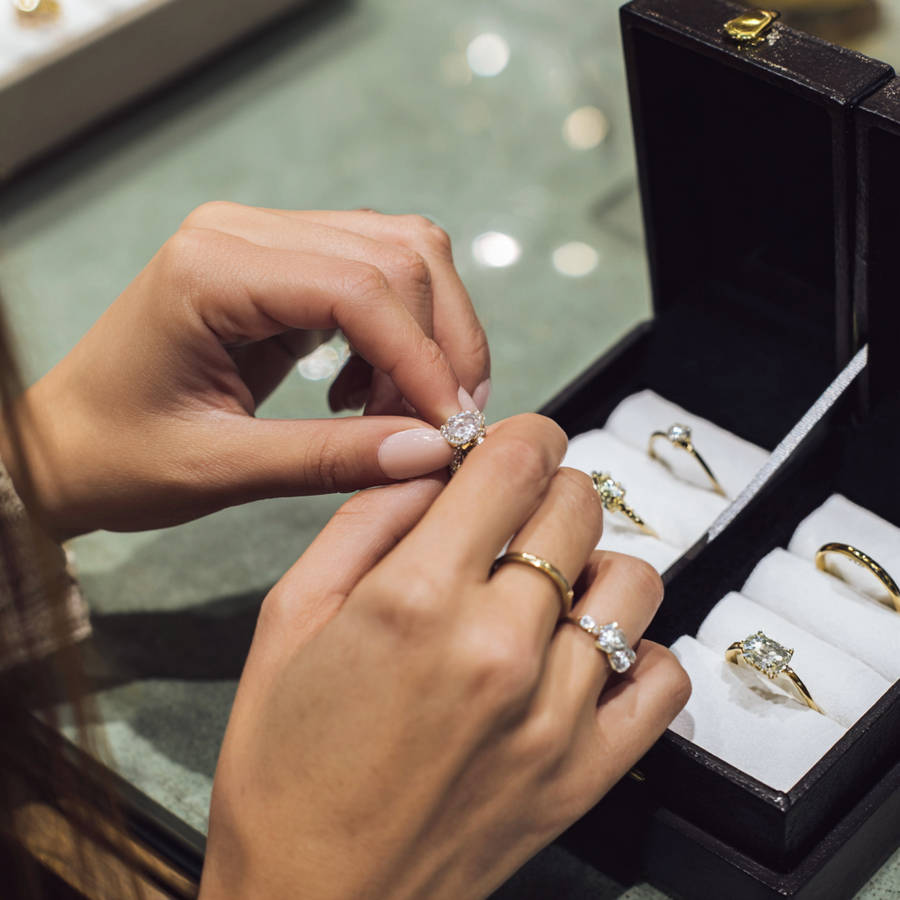
Not at all. Picking your own engagement ring, or at least being involved in the decision, is becoming much more normal. It is also fairly sensible, given that you are the person who may end up wearing it every day. Wanting some input does not mean you are ruining the romance; it usually just means you would rather not leave a major jewellery decision entirely to guesswork.
There is still a lovely place for surprise in a proposal. You might not know when it will happen, where it will happen, or what your partner will say. But the ring itself does not have to be a complete mystery for the moment to feel special. In fact, for many couples, removing some of the uncertainty around the ring makes the whole thing feel calmer and more personal.
A useful compromise is to talk about styles, stones, budget and general preferences before the proposal, then leave the actual timing and details as the surprise. That way, your partner still gets to plan something meaningful, but they are not expected to magically know whether you prefer a low-set oval in yellow gold or a cathedral-set round diamond in platinum. We cover this in more detail in Boutee’s guide to whether it is weird to pick your own engagement ring , but the short answer is no. It is not weird; it is practical.
What if I don’t like the ring at all?
This is one of the biggest emotional questions, because people often feel horribly guilty for even thinking it. Not liking the ring does not mean you do not love your partner. It does not mean you are ungrateful, shallow or secretly a villain in a romantic comedy. It usually means the object chosen for you does not match your taste, lifestyle or expectations, which can happen even when the intention behind it was completely lovely.
The tricky part is that engagement rings are symbolic, so saying “I don’t love the ring” can easily sound like “I don’t love what this means”. That is why the conversation needs to be handled carefully. Start with the meaning first, then talk about the practical issue. You might say that you love the proposal and what the ring represents, but you are worried the style is not something you will feel comfortable wearing long term.
You have a few options:
- Be honest, but gently. This is not the moment for a brutal design critique. Focus on how the ring feels to wear, rather than listing everything you dislike.
- Suggest redesigning it together. A jeweller may be able to reset the stone, alter the band, lower the setting, or incorporate parts of the original ring into a new design.
- Think about long-term wearability. If the ring is too high, too delicate, too ornate, too plain, or simply not your style, it is better to address that early.
- Give yourself a little time. Some rings grow on people once the emotion settles. Others do not, and that is useful information too.
The main thing is not to silently resent the ring for years while pretending everything is fine. That tends to turn a small jewellery issue into a much bigger relationship issue. A thoughtful conversation now is usually kinder than a decade of forced enthusiasm every time someone asks to see your hand.

Is a cheap engagement ring a red flag?
A cheap engagement ring is not automatically a red flag. A thoughtless engagement ring can be. Price matters to some extent, of course, because engagement rings are often tied to effort and symbolism, but the number on the receipt does not tell the whole story. A £600 ring chosen with care can feel far more meaningful than a £6,000 ring bought in a panic because someone vaguely remembered “diamonds are good”.
It becomes a red flag when the ring shows a clear lack of thought, care or respect for what you have said you like. It is not really about whether the ring is “cheap” in isolation. It is about whether the choice makes sense in the context of your relationship, your finances and your conversations. That distinction matters, because plenty of couples actively choose lower-cost rings for very good reasons.
It could be a red flag if:
- There is a clear mismatch between effort and means. If someone could comfortably afford something more considered, but made almost no effort, that may understandably hurt.
- Your preferences were ignored. A smaller budget is one thing. Choosing the opposite of what you like, after you have been clear, is another.
- The attitude is dismissive. “It’s just a ring” is not especially reassuring when you are the one expected to wear it every day.
- There was no thought behind the choice. Cheap is not the issue. Careless is.
It is probably fine if:
- You discussed the budget openly. Plenty of couples would rather save for a house, wedding, travel, children, or simply not start married life with unnecessary financial stress.
- The ring reflects your values. Minimalist rings, vintage finds, lab-grown stones, plain bands and alternative gemstones can all be beautiful choices.
- It was chosen thoughtfully. A modest ring that suits your taste and lifestyle is still a good ring.
- You both feel comfortable with the decision. That matters far more than what someone on TikTok thinks an engagement ring “should” cost.
If budget is part of the conversation, Boutee’s guide to buying an engagement ring on a budget is a useful place to start. A ring should show care, but care does not have to mean financial recklessness. Sometimes the most romantic thing is not blowing the entire savings account because the internet got dramatic.
Do engagement rings have to be diamonds?
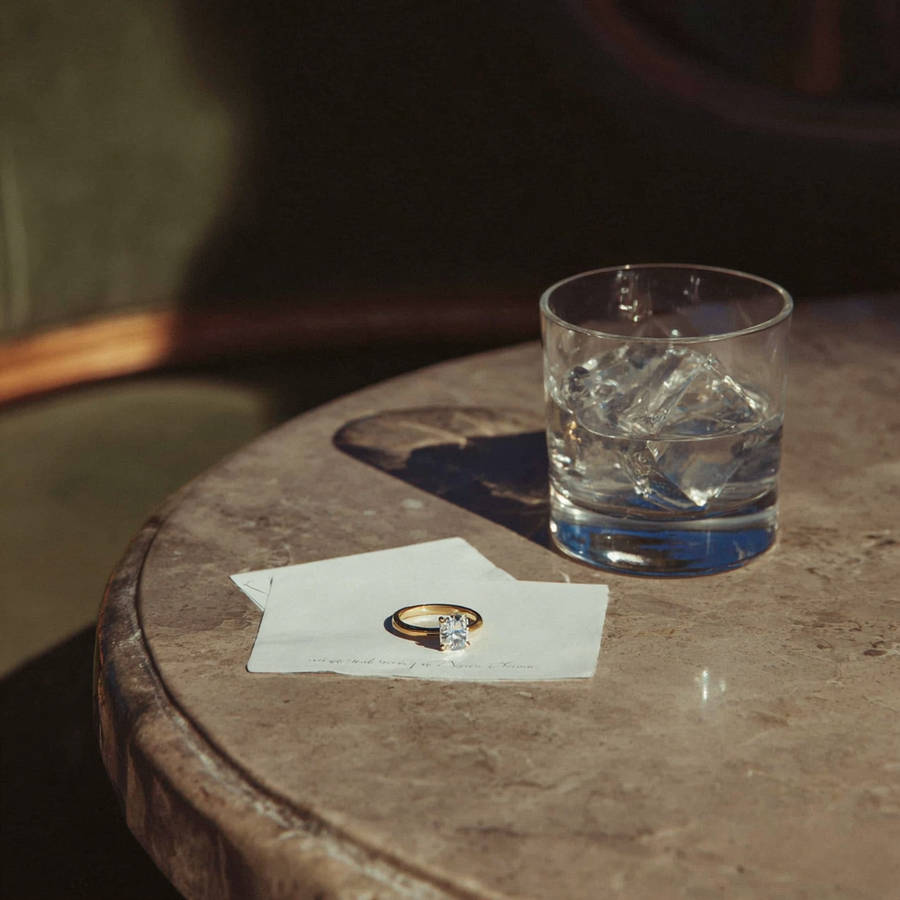
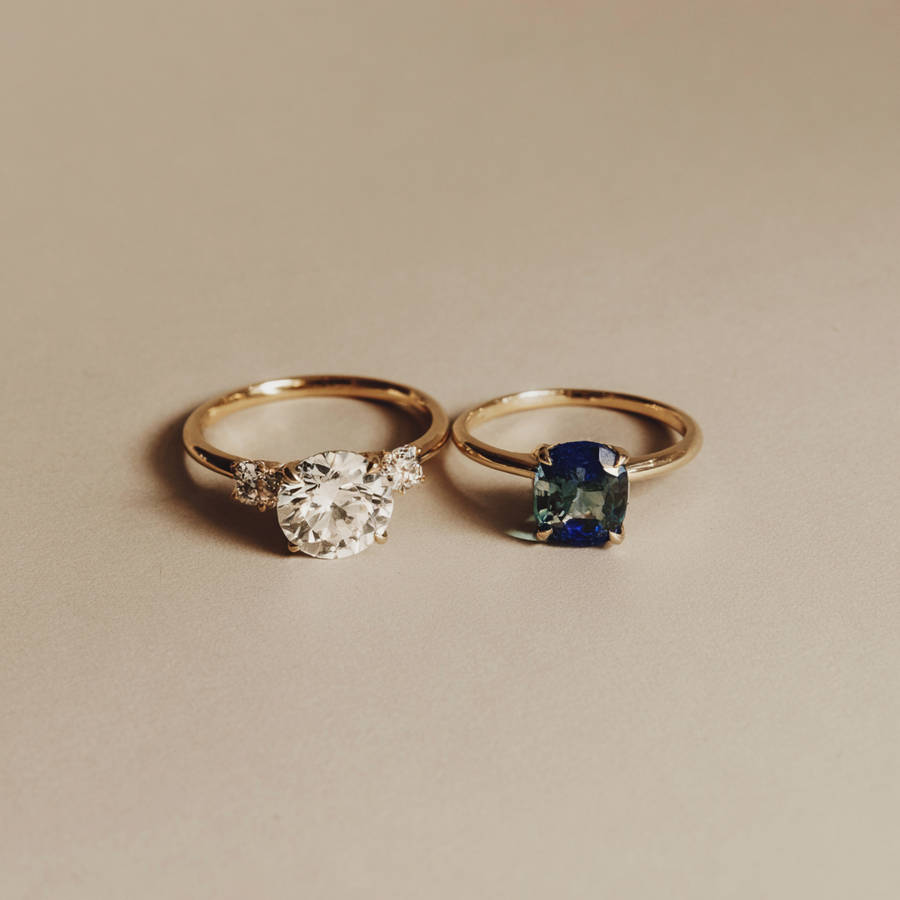
No, engagement rings do not have to be diamonds. Diamonds are popular because they are durable, sparkly and deeply tied to engagement traditions, but they are not compulsory. A ring does not stop being an engagement ring because it has a sapphire, emerald, moissanite, ruby, aquamarine, tourmaline, salt-and-pepper diamond, heirloom stone or no centre stone at all. The point is the promise, not passing a diamond inspection.
There are practical differences between stones, though, so it is worth doing a bit of homework before falling in love with something purely because it looks good in a close-up photo. Sapphires are a strong choice for everyday wear, while emeralds are beautiful but usually need more care. Moissanite offers lots of sparkle at a different price point, and coloured gemstones can make a ring feel much more personal. A plain gold band can also be an engagement ring if that feels more like you.
If you are considering a diamond, the GIA guide to the 4Cs is a helpful place to understand cut, colour, clarity and carat without getting completely lost in jeweller-speak. If you are leaning towards something more unusual, Boutee’s guide to alternative gemstone colours for your engagement ring is worth reading too. The best choice is not the one tradition shouts loudest about; it is the one that suits your taste, lifestyle and budget.
Is it rude to ask how much my ring cost?
It can be, but it does not have to be. Asking how much an engagement ring cost is one of those questions where the wording matters almost as much as the reason. “How much did you spend?” can sound like you are checking whether the ring passes a test. “Do we have the details for insurance?” sounds like you are being a functioning adult, which is less sparkly but often more useful.
There are legitimate reasons to want to know the cost or value of a ring. Insurance is the obvious one, especially if the ring is going to be worn regularly. You may also need paperwork for valuations, repairs, resizing or future upgrades. And yes, sometimes people are simply curious, because humans are nosy little creatures and engagement rings bring that out in everyone.
Why people often want to know:
- Insurance. You may need a valuation or receipt to insure the ring properly.
- Practical planning. Repairs, resizing and future redesigns may depend on the ring’s materials and value.
- Curiosity. Not noble, perhaps, but very common.
- Comparison. Again, not always ideal, but pretending people never compare rings would be ambitious.
Why it can feel awkward:
- Money is sensitive. Even couples who are very open can feel strange around big romantic purchases.
- Price and meaning get tangled. A question about cost can accidentally sound like a question about love.
- Expectations may differ. One person’s “sensible budget” may be another person’s “oh, I thought it would be more”.
A gentler route is to ask for the practical documents rather than the price itself. You can say something like, “Do we have everything we need for insurance?” and let the conversation go from there. For UK readers, the National Association of Jewellers’ guide to insuring personal jewellery is a helpful resource, and GOV.UK’s hallmarking guidance is useful for understanding why hallmarking matters on precious metal jewellery.
Can I upgrade my engagement ring later?
Yes, you can upgrade your engagement ring later. It is much more normal than people think, and it does not mean the original ring failed. An engagement ring is chosen at one point in your life, often with a particular budget, style, timeline and level of jewellery knowledge. Ten years later, your taste may have changed, your finances may be different, or the original ring may simply no longer suit how you live.
Upgrading can mean lots of things. It might be a larger stone, a new setting, a different band, added side stones, or a redesign using the original materials. Some people upgrade for anniversaries, while others do it after a major life event or when they finally know what they would have chosen the first time round. It can be sentimental rather than shallow, especially if the redesign reflects the life you have built together.
Common reasons people upgrade include:
- Anniversaries. A redesign can mark a milestone in the relationship.
- Financial changes. You may have had a smaller budget at the start and more flexibility later.
- Evolving style. The ring you loved at 25 may not feel quite right at 40.
- Practicality. A delicate setting may need strengthening or simplifying for everyday life.
- Sentiment. You may want to add heirloom stones, birthstones or details that mean something personal.
The nicest way to think about an upgrade is not as a replacement, but as a continuation. The original ring belongs to one chapter. The updated version can belong to the next. That is not unromantic; it is just life doing what life does and changing the furniture around.
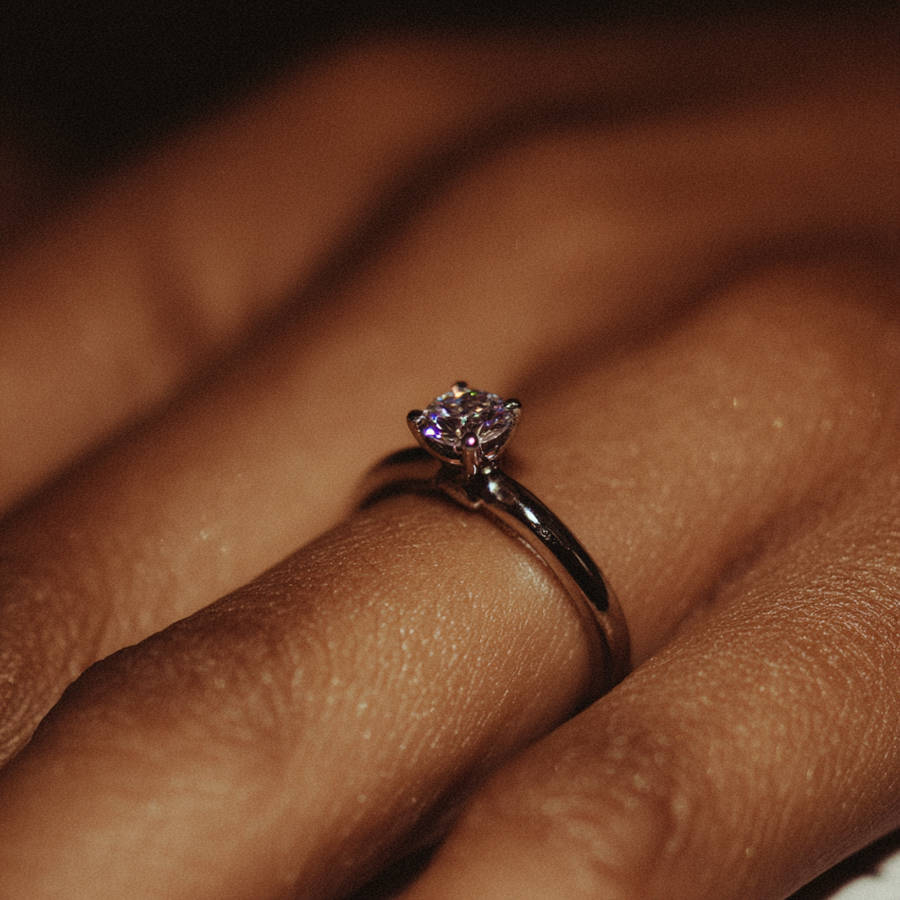
Is it bad that I don’t wear my engagement ring all the time?
No, it is not bad. Some people wear their engagement ring every day, and some take it off for work, exercise, cooking, cleaning, sleeping, swimming, travel or comfort. That does not mean they are less engaged. It usually means they would rather not damage, lose or bend something emotionally and financially significant while deadlifting, kneading dough or applying hand cream with the enthusiasm of a Victorian apothecary.
There are also plenty of jobs where wearing a ring is impractical or unsafe. Healthcare is an obvious example, and NICE guidance around infection prevention includes being bare below the elbows during direct patient care, which means removing hand and wrist jewellery in those settings. Other people remove their rings because of swelling, skin irritation, sensory discomfort, or simply because their day involves tools, machinery, chemicals or small children with surprisingly strong hands.
Modern ring habits are much more flexible than the old idea that you must never take it off. A ring can still be meaningful even if it spends part of its life in a safe place. If you feel oddly guilty about this, Boutee has a full guide on how often people really wear their engagement rings , which is reassuring if you have ever removed yours to clean the bathroom and then felt like you had betrayed romance itself.
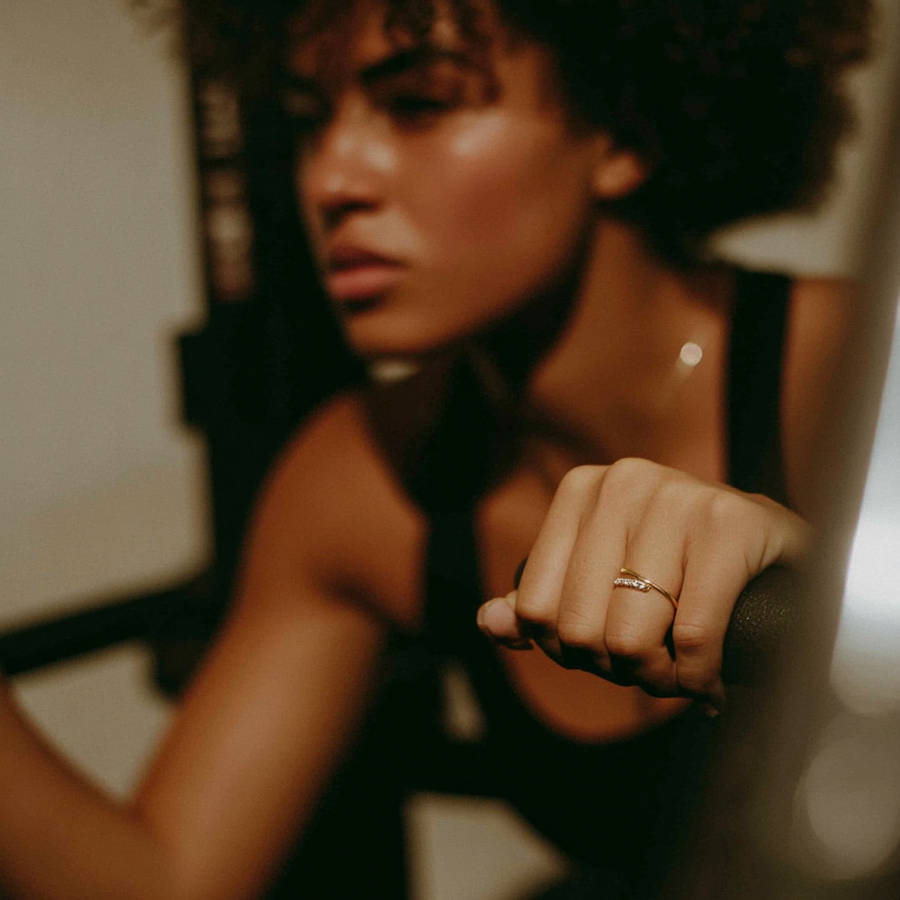
If you feel like you should be wearing your engagement ring all the time, there is a simple middle ground that works well in real life. Many people switch to a more practical, lower-cost ring for activities where their main ring could get knocked, scratched or caught. That way, you still have something symbolic on your finger, but you are not quietly worrying about damaging something expensive.
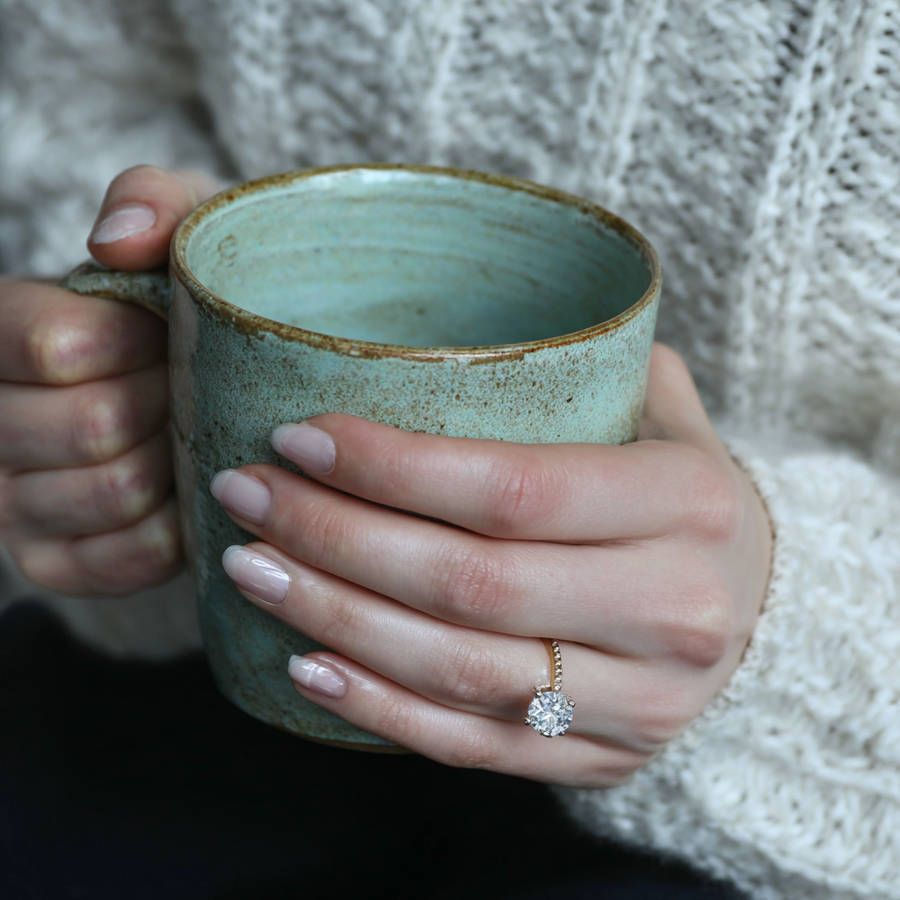
This is especially useful for things like the gym, travel, or hands-on work. A thinner band or a lower-profile ring tends to be more comfortable and less likely to get in the way. In the image below, for example, the ring is subtle, close to the finger, and designed for movement rather than display. It does the job without demanding attention or getting caught on equipment.
What if I wanted something completely different but didn’t say anything?
This happens more often than people admit. Many people assume their partner will “just know” what they want, because surely love includes the ability to decode a passing comment about bezel settings from eighteen months ago. Unfortunately, even very loving partners are not always skilled jewellery telepaths. They may remember that you liked “something simple” and then confidently buy the exact wrong kind of simple.
The disappointment often comes from silence rather than bad intention. One person thinks they have dropped obvious hints, while the other thinks they have made a thoughtful choice based on limited clues and mild panic. By the time the ring appears, both people are emotionally invested, which makes it much harder to say, “Actually, I wanted something completely different.” That is how a lack of early conversation becomes a much bigger moment later.
The best fix is to talk about rings before anyone buys one. That does not mean you need to plan the whole proposal together or remove all surprise. It just means being clear about the things that matter to you, whether that is metal colour, stone shape, setting height, ethical sourcing, budget or whether you want to be involved in the final decision. “I’d love the proposal to be a surprise, but I’d like some input on the ring” is a very useful sentence.
If you have already missed that moment, all is not lost. Be kind, be specific, and try to separate the ring from the proposal itself. You can love the gesture and still need the design to change. Those two things can exist in the same conversation without anyone needing to dramatically stare out of a window.

Is it okay to want a bigger or more impressive ring?
Yes, it is okay to want a bigger or more impressive ring. This is one of those questions people feel guilty about because nobody wants to sound shallow, but personal taste matters. Some people love tiny, delicate rings. Other people love bold stones, sculptural settings and jewellery that announces itself politely but firmly when it enters a room.
The useful question is not “am I bad for wanting a bigger ring?” It is “why do I want this?” If you love the look of a larger stone, want better proportion on your hand, or simply prefer statement jewellery, that is fine. If the feeling is mostly coming from comparison, social media or the fear that other people will judge the ring, it may be worth pausing before making the decision entirely for an imaginary audience.
It is okay because:
- Personal taste matters. You are allowed to like what you like.
- You may wear it every day. Wanting to enjoy something you wear constantly is reasonable.
- Scale affects design. A larger stone or wider setting may simply suit your hand better.
- Impressive does not always mean expensive. Shape, setting, colour and craftsmanship can all create impact.
It is worth checking:
- Is it about comparison? Other people’s rings are not a reliable measuring stick for your relationship.
- Is social media involved? Algorithms are not known for encouraging calm, grounded life choices.
- Would you still love it privately? If nobody saw it online, would you still want the same ring?
- Does it fit your real budget? Wanting something is allowed. Pressuring someone into unaffordable spending is a different matter.
Bigger is not automatically shallow, and smaller is not automatically more tasteful. The best ring is the one that fits your hand, your style, your budget and your actual life. Anything else is just noise, probably wearing a sponsored hashtag.
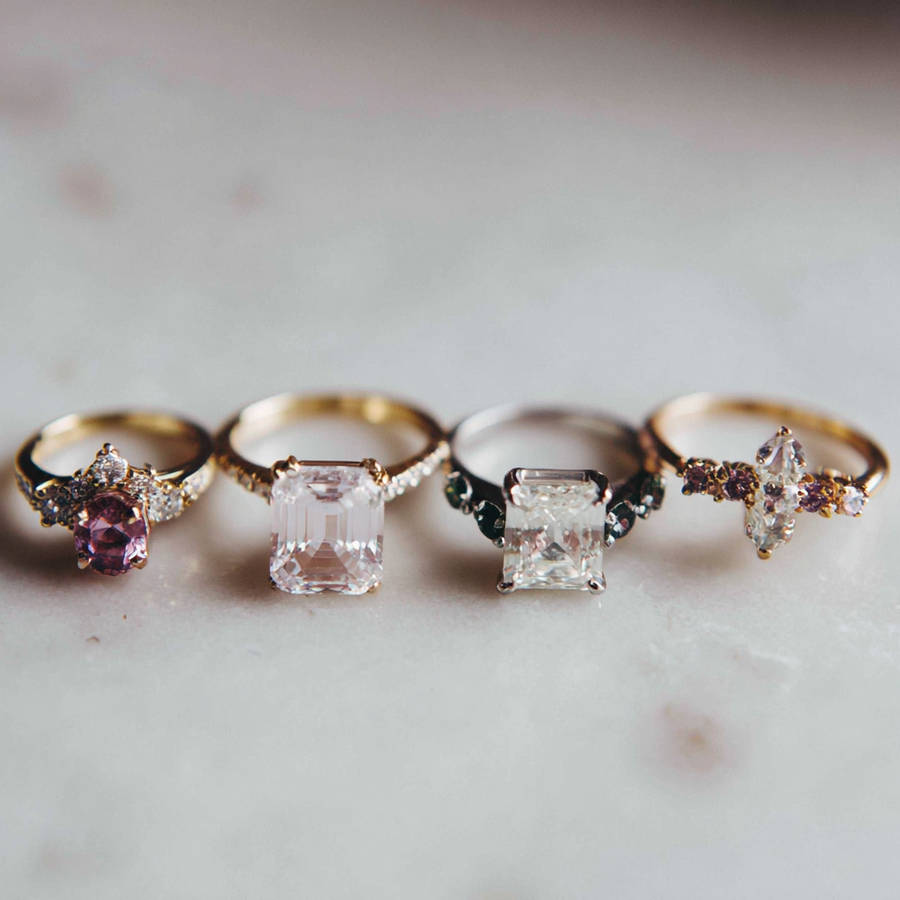
Am I overthinking this whole thing?
Probably a bit, but that is understandable. Engagement rings carry a lot for such small objects. They represent commitment, taste, money, identity, tradition, family expectations and, in some cases, whether someone has listened to your very clear views on yellow gold. No wonder people overthink them.
The trick is to care about the ring without making it responsible for the entire relationship. No perfect engagement ring exists. Even a beautiful, thoughtful, carefully chosen ring may need resizing, insuring, cleaning, repairing or adjusting over time. It may not please every relative, photograph perfectly in every light, or match every outfit you will ever wear. That is fine. It is jewellery, not a legally binding promise to never have mixed feelings.
A good engagement ring should feel considered, wearable and meaningful. It should suit the person wearing it, work with real life, and reflect the relationship rather than a generic idea of what romance is supposed to look like. The awkward questions are often the useful ones, because they bring hidden expectations into the open before they become resentment.
So no, you are not ridiculous for thinking about these things. You are allowed to ask questions about cost, comfort, size, taste, upgrades and whether you actually want a diamond. The goal is not to find a ring that removes all doubt from human existence. The goal is to find one that feels right enough to wear into the next chapter.
And if you are at the stage where you know what you like but do not know where to find it, Boutee can help connect you with independent UK jewellers who match your style and budget. Which is much easier than hoping your partner can interpret a Pinterest board, three vague comments and one screenshot from six months ago.

FAQs
Is it weird to pick your own engagement ring?
No, it is not weird to pick your own engagement ring or be involved in the decision. It is increasingly common for couples to discuss ring styles before a proposal, especially when the ring is intended for everyday wear. The proposal can still be a surprise even if the ring is chosen with a bit more collaboration and a bit less guesswork.
What should I do if I don’t like my engagement ring?
If you do not like your engagement ring, try to separate the meaning of the proposal from the design of the ring. Start by reassuring your partner that you love what the ring represents, then explain gently why the style may not work for you long term. In many cases, a jeweller can help redesign the ring, reset the stone or make practical changes so it feels more like you.
Is a cheap engagement ring a bad sign?
A cheap engagement ring is not automatically a bad sign. It depends on the couple’s finances, values and whether the ring was chosen with thought and care. A lower-cost ring can be completely lovely if it suits the wearer and reflects an honest, shared approach to money.
Do engagement rings have to have diamonds?
Engagement rings do not have to have diamonds. Sapphires, emeralds, moissanite, rubies, aquamarines, heirloom stones, plain bands and alternative gemstones can all work beautifully. The right ring is the one that suits your style, budget and lifestyle, rather than the one tradition insists you should want.
Can I upgrade my engagement ring later?
Yes, you can upgrade your engagement ring later. Many people redesign or upgrade their rings for anniversaries, financial changes, evolving style or practical reasons. It does not mean the original ring was wrong; it can simply mean the ring is changing with your life.
Table of contents
-
 Is it weird to pick my own engagement ring?
 - What if I don’t like the ring at all?
- Is a cheap engagement ring a red flag?
- Do engagement rings have to be diamonds?
- Is it rude to ask how much my ring cost?
- Can I upgrade my engagement ring later?
- Is it bad that I don’t wear my engagement ring all the time?
- What if I wanted something completely different but didn’t say anything?
- Is it okay to want a bigger or more impressive ring?
- Am I overthinking this whole thing?
- FAQs
About the author
Ethan Ward
Co-founder
Ethan looks after the whole Boutee journey from first click to “yes”, making sure every person is matched with the right independent jeweller and never feels lost along the way. He’s also the champion of our maker community, supporting independent jewellers, building meaningful connections and helping the right connections spark.
Related posts
View all
Caring for Your Gold Jewellery: A Practical Guide to Keeping It Beautiful for Years
Learn how to care for gold jewellery, prevent scratches and tarnish, and decide when to seek professional cleaning
18 min read 
Diamond FOMO After Choosing Another Gemstone? Here’s What It Really Means
Why diamond FOMO is normal - and what to do with it.
18 min read 
Embracing Marks and Scratches on your Engagement Ring
Learn what causes them, when to polish, how to clean safely, and when to see a jeweller.
18 min read