
How Often Do People REALLY Wear Their Engagement Rings?

 4 min read
 Share this post


That beautiful diamond on your finger might be a symbol of love and commitment, but it's not always practical when you're gardening or washing dishes. We've been looking into how often people actually wear their engagement rings!
What are the wearing habits of ring owners?
Research shows there's quite a diverse range of engagement ring-wearing habits:
The never-take-it-offers (25%)
This group considers their rings a permanent fixture. They wear them constantly, including while showering, sleeping, and during most daily activities. "I've only removed mine twice in ten years – once for surgery and once for an MRI," is typical of this dedicated approach. For these individuals, the ring has become such a part of them that they often forget they're even wearing it.
The strategic removers (40%)
The largest percentage of people take a more measured approach. They wear their rings daily but remove them for specific activities. These practical individuals often have designated ring dishes throughout their homes to ensure safe storage during those ring-free moments. They're conscientious about protecting their investment while still enjoying wearing it regularly.
The going-Out wearers (20%)
For this group, the engagement ring is primarily worn when leaving the house. Those who work from home or have messy hobbies often keep their rings safely stored until they're heading out for errands, social gatherings, or work. Many in this category express some guilt about not wearing their rings more frequently, but they prioritize protecting them from potential damage.
The special occasion sparklers (10%)
Some individuals save their rings for truly special moments only. They might wear them for date nights, family gatherings, or formal events. One interesting tradition observed was a woman who wears her engagement ring just once annually—on her wedding anniversary—while her plain gold wedding band remains a daily fixture.
The alternative solutionists (5%)
This creative group has found innovative compromises, such as wearing their rings on necklaces during manual tasks, using silicone replacements for active pursuits, or keeping inexpensive duplicates for travel. These approaches allow them to honour the symbolism while addressing practical concerns.
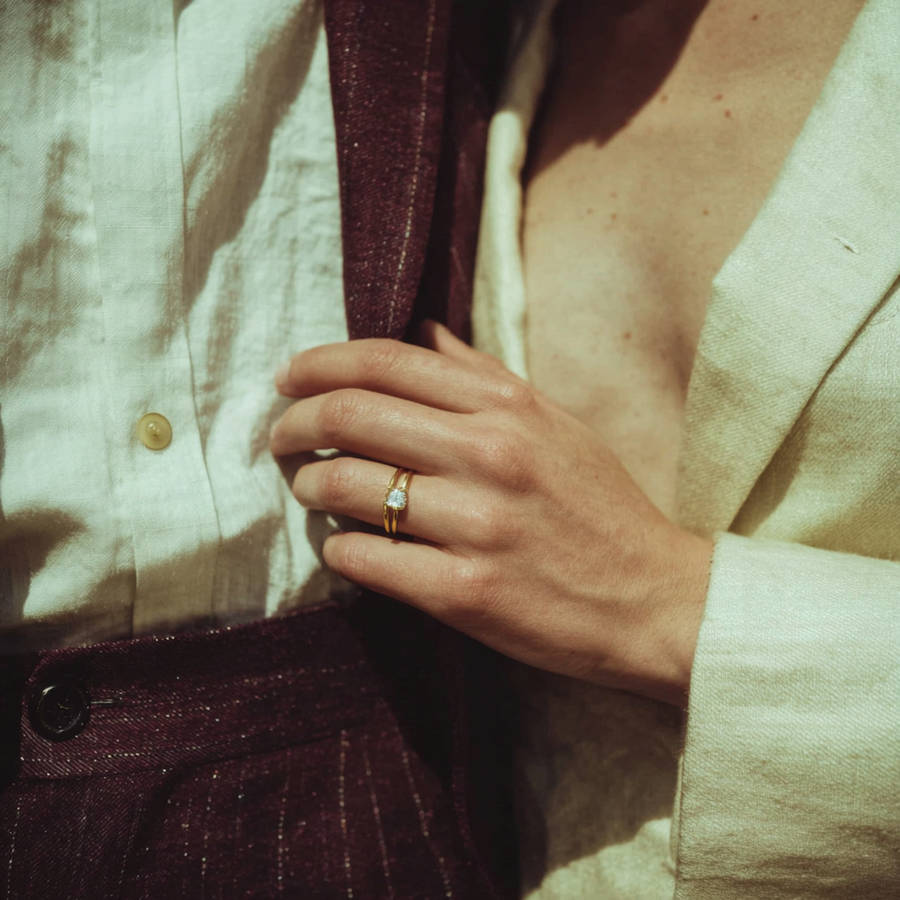
For some, engagement rings are worn for meaningful moments and special occasions rather than as an everyday piece.
What are common reasons for removing engagement rings?
Activities that risk damage
- Showering. Soaps can create residue on stones and metals, dulling their appearance
- Cleaning. Harsh chemicals can damage precious metals and loosen stone settings
- Cooking and baking. Food particles can become lodged in settings, and dough is particularly problematic
- Gardening. Soil and stones can scratch precious stones, and settings can catch on gloves
- Exercise. Weight lifting and high-impact activities risk bending prongs or damaging stones
- DIY projects. Power tools, paints, and construction materials present multiple hazards
Professional considerations
Certain professions make ring-wearing impractical or unsafe. Healthcare workers frequently mention removing rings for hygiene protocols and to prevent tearing gloves. Those in food service, childcare, and manual trades often find rings incompatible with their daily responsibilities.
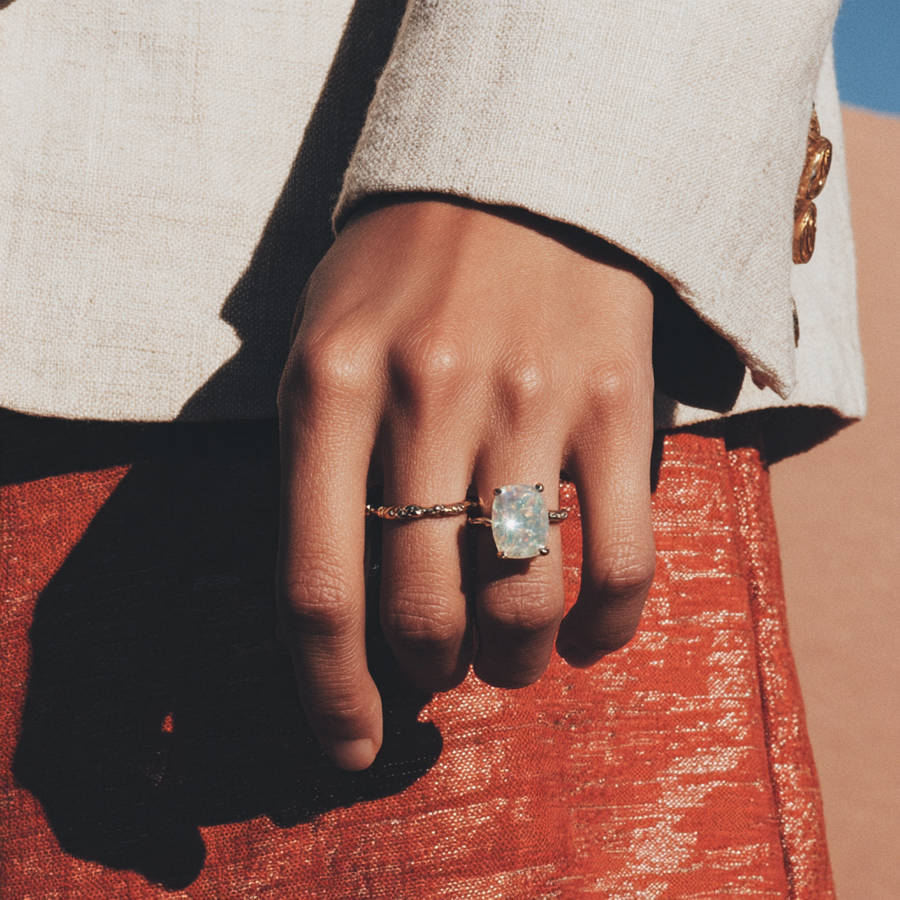
Some people choose to wear their engagement rings mainly when going out, keeping them safely stored during everyday activities at home.
What are some ring-wearing patterns?
Insurance influences behaviour
Ring insurance appears to significantly impact wearing habits. Those with comprehensive coverage report wearing their rings more confidently and consistently. The peace of mind that comes with knowing replacement is covered allows for more relaxed daily wear.
Two schools of thought
Ring wearers tend to fall into two philosophical approaches: those more concerned about losing their rings ("It stays on my finger because I'd definitely misplace it otherwise") versus those more worried about damaging them ("I prefer keeping it pristine rather than risking damage during daily activities").
The duplicate strategy
An increasingly popular approach involves having backup rings—less expensive versions that serve as substitutes when conditions aren't ideal for wearing the original. This practice is especially common for travel, beach holidays, and high-risk activities.
Changing habits over time
Many report that their ring-wearing habits evolve throughout their relationship. What often begins as never removing the ring frequently shifts to more practical patterns after experiencing a caught prong, a loose stone, or seeing wear on the metal band.
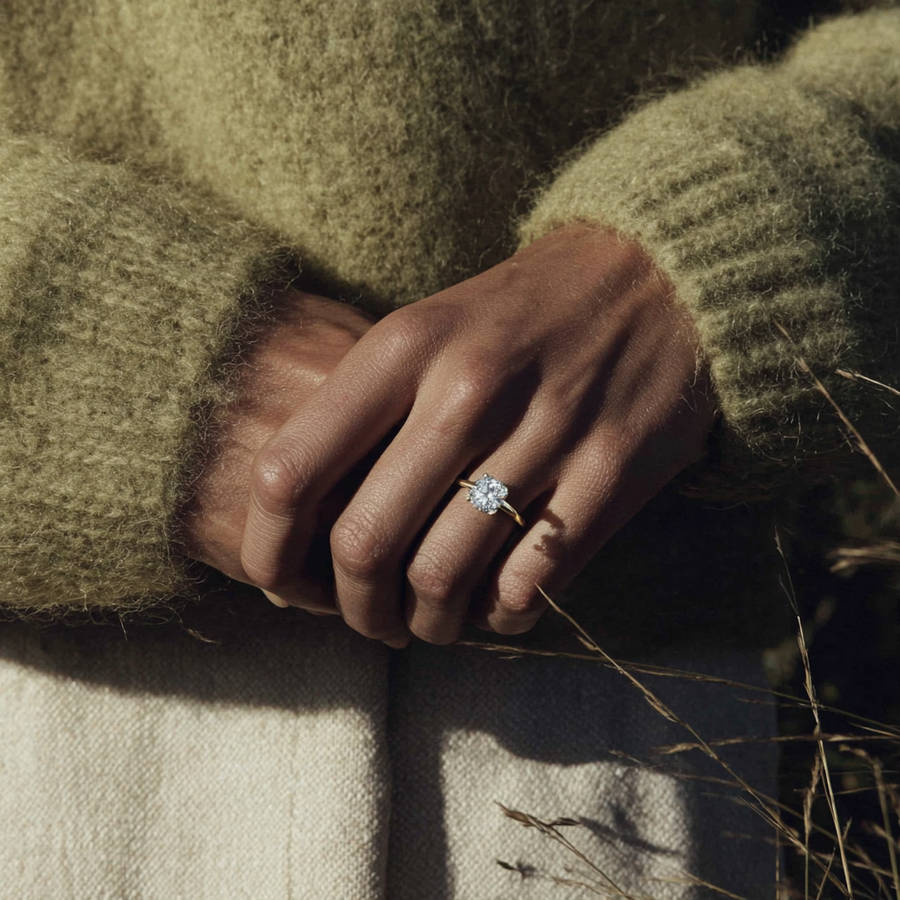
Many engagement ring owners wear their rings daily, with the jewellery becoming such a natural part of life that they barely notice it’s there.
Final thoughts
There's no single "correct" approach to wearing your engagement ring. Whether you're someone who never removes it or someone who saves it for special occasions, the most important factor is finding a pattern that accommodates your lifestyle, profession, and comfort level.
If you're concerned about not wearing your ring enough, you're certainly not alone. Many people adjust their wearing habits based on practical considerations while still cherishing what the ring represents. The symbolism remains meaningful whether the ring is on your finger every moment or safely stored during activities that might risk damaging it.
After all, an engagement ring is meant to last a lifetime—and finding the right balance between enjoying and protecting it is a personal decision that each owner must make for themselves.
Table of contents
-
 What are the wearing habits of ring owners?
 - What are common reasons for removing engagement rings?
- What are some ring-wearing patterns?
- Final thoughts
About the author
Billy Ward
Co-founder
Billy co-founded Boutee to help couples skip the high-street hard sell and work directly with independent UK jewellers. He now leads product and partnerships, obsessing over how to make the bespoke ring journey as simple, transparent and stress-free as possible.
Related posts
View all
Caring for Your Gold Jewellery: A Practical Guide to Keeping It Beautiful for Years
Learn how to care for gold jewellery, prevent scratches and tarnish, and decide when to seek professional cleaning
4 min read 
Diamond FOMO After Choosing Another Gemstone? Here’s What It Really Means
Why diamond FOMO is normal - and what to do with it.
4 min read 
Embracing Marks and Scratches on your Engagement Ring
Learn what causes them, when to polish, how to clean safely, and when to see a jeweller.
4 min read